Loading…

Subcategory
Alloy wheels are a popular choice in the automotive industry, known for their lightweight and aesthetic appeal. This category encompasses various types of alloy wheels, including cast, forged, and multi-piece options, suitable for a range of vehicles from passenger cars to high-performance sports models. Industries that frequently source alloy wheels include automotive manufacturing, aftermarket parts suppliers, and vehicle customization shops.
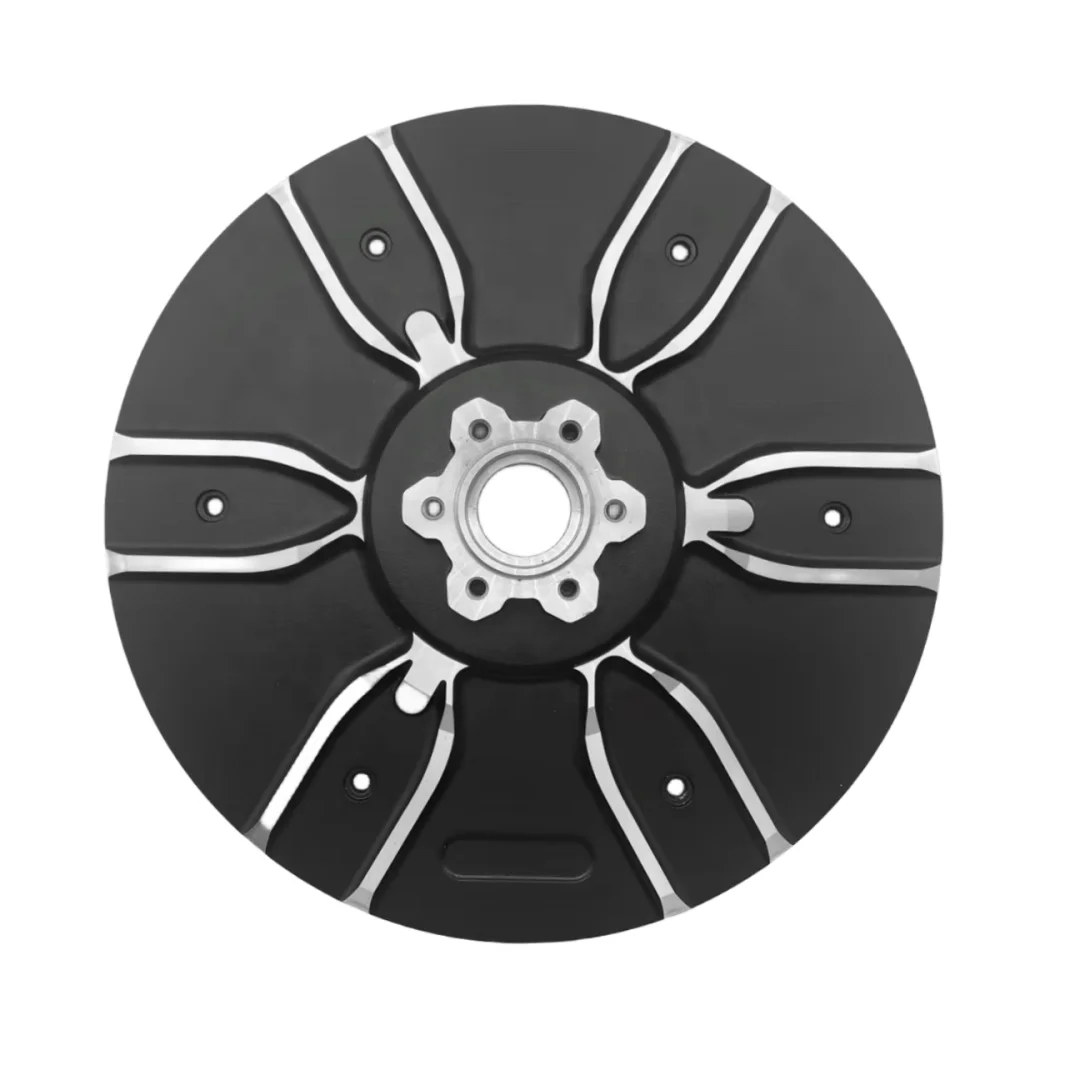
When sourcing alloy wheels, buyers should compare factors such as wheel size, design, weight, and finish to ensure compatibility with their vehicles. It is essential to specify the vehicle make and model in inquiries to receive accurate recommendations. Additionally, buyers should consider quality certifications and compliance with industry standards, as well as warranties and return policies offered by suppliers.
Alloy wheels are lighter, improve fuel efficiency, enhance braking performance, and offer better heat dissipation compared to steel wheels.
Check your vehicle's owner's manual or the tire information placard for the recommended wheel size, including diameter and width.
Yes, alloy wheels typically cost more than steel wheels due to their manufacturing process and superior performance characteristics.
Regular cleaning to prevent brake dust buildup and occasional inspections for curb damage or corrosion are recommended for alloy wheels.
Yes, but it's advisable to use winter tires on alloy wheels that are designed for cold weather to ensure safety and performance.
Look for wheels that meet industry standards, have a good warranty, and are produced by reputable manufacturers.
No, alloy wheels can accommodate standard tires, but it's important to ensure that the tire size matches the wheel specifications.
Yes, many manufacturers offer customization options such as unique finishes, colors, and designs to suit individual preferences.
Sourcing something in Alloy Wheels?
Tell us your requirement and our team brings you quotes from verified manufacturers.