Loading…

Subcategory
Microgrid systems are localized networks that can operate independently or in conjunction with the main electrical grid. They encompass a range of technologies, including renewable energy sources, energy storage systems, and advanced control systems. Industries such as utilities, commercial buildings, military installations, and remote communities often utilize microgrid systems to enhance energy resilience and sustainability.
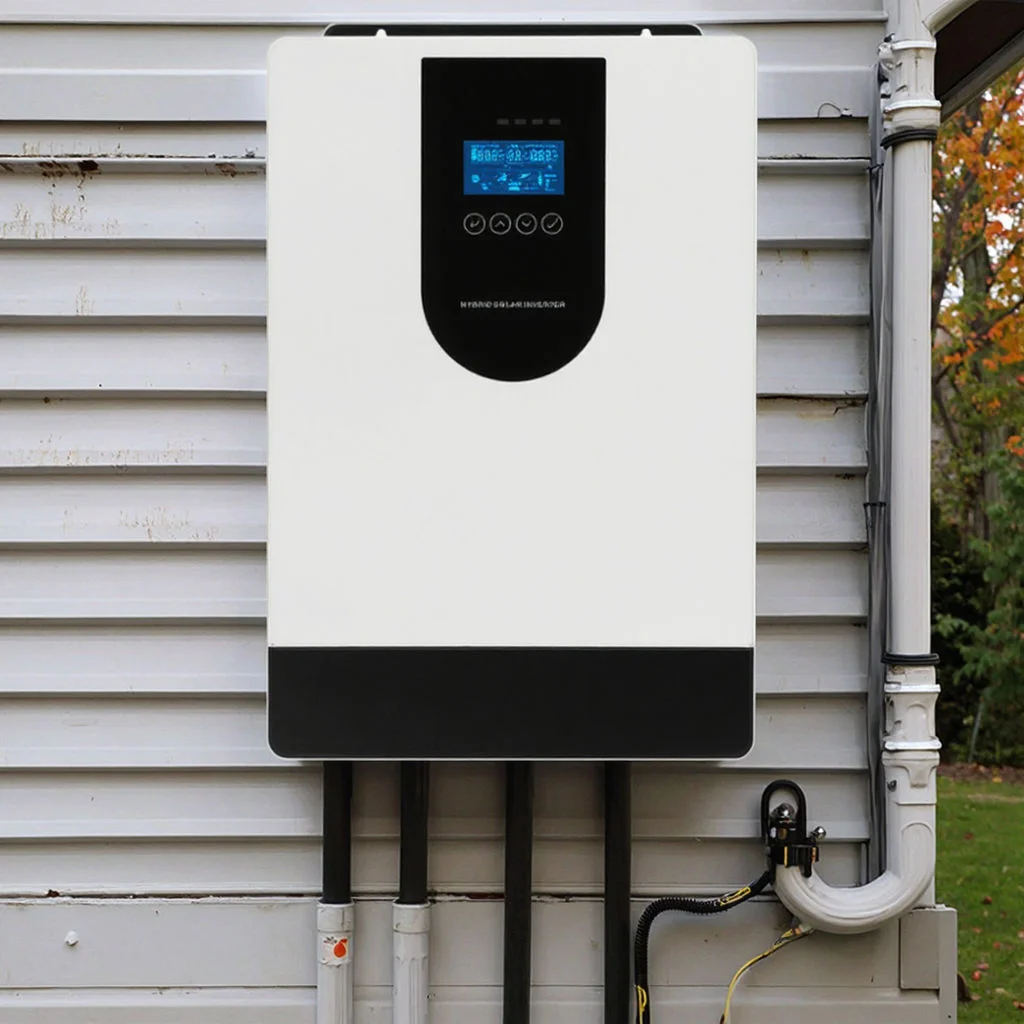
When sourcing microgrid systems, buyers should compare the integration capabilities of different technologies, such as solar panels, wind turbines, and battery storage. It is important to specify the desired capacity, operational requirements, and any regulatory compliance needs in inquiries. Common quality considerations include system reliability, efficiency ratings, and adherence to industry standards.
The main components include generation sources (like solar or wind), energy storage systems (batteries), and control systems for managing energy flow.
Sizing depends on energy demand, peak load requirements, and the types of generation sources you plan to use. Conducting an energy audit can help.
Common industries include utilities, military, commercial buildings, educational institutions, and remote communities.
Consider local, state, and federal regulations regarding energy production, safety standards, and environmental compliance.
Yes, microgrid systems can function autonomously, providing energy security during grid outages.
Benefits include enhanced energy reliability, reduced energy costs, and increased use of renewable energy sources.
Common energy storage types include lithium-ion batteries, flow batteries, and other advanced storage technologies.
Look for systems that meet industry standards, have reliable performance metrics, and come with warranties and support.
Sourcing something in Microgrid Systems?
Tell us your requirement and our team brings you quotes from verified manufacturers.