Loading…

Subcategory
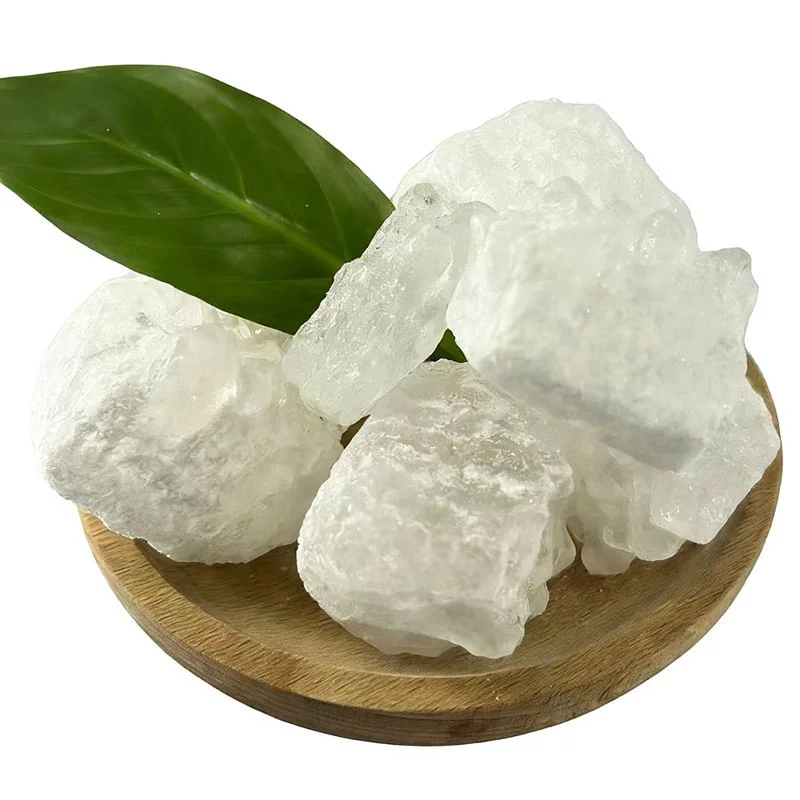
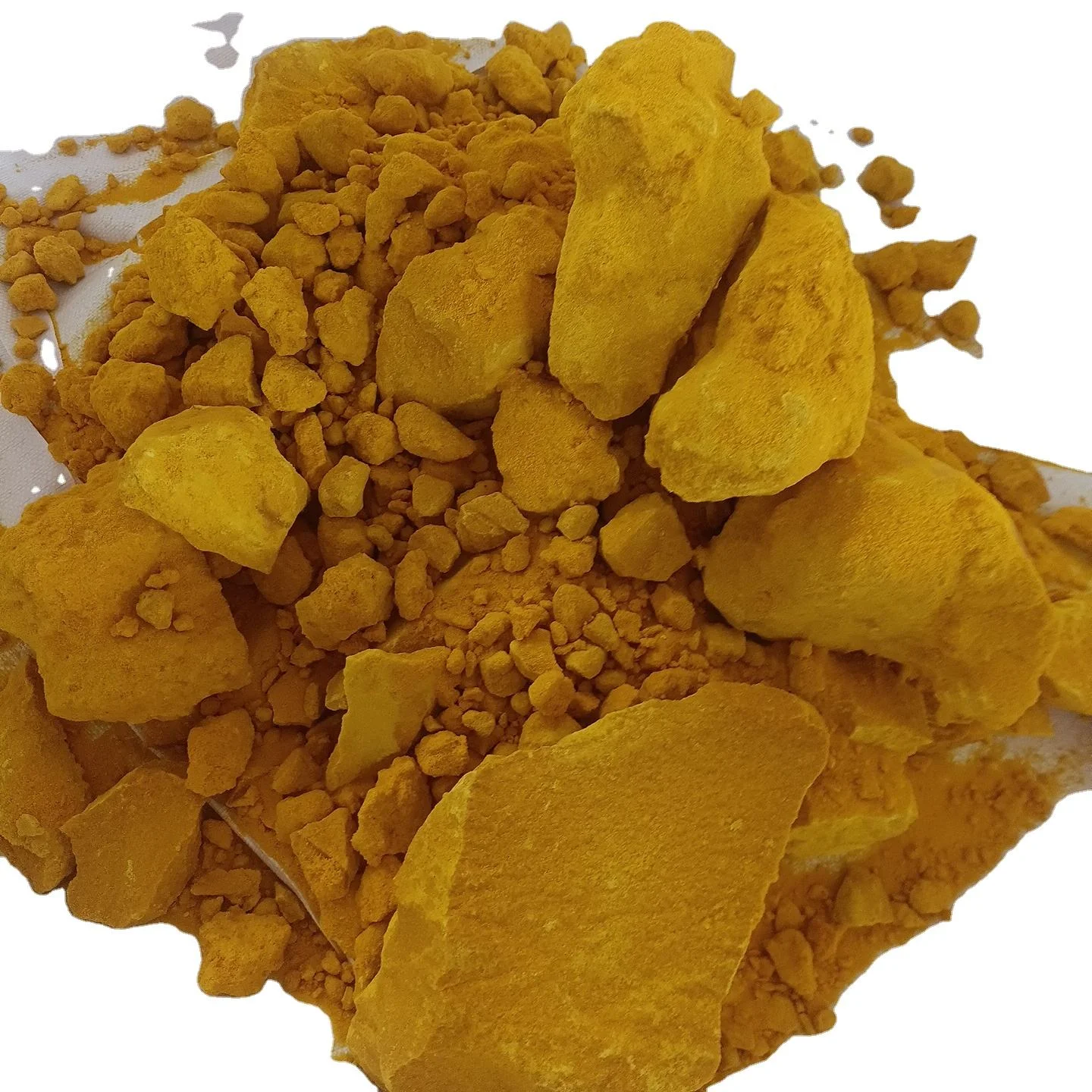
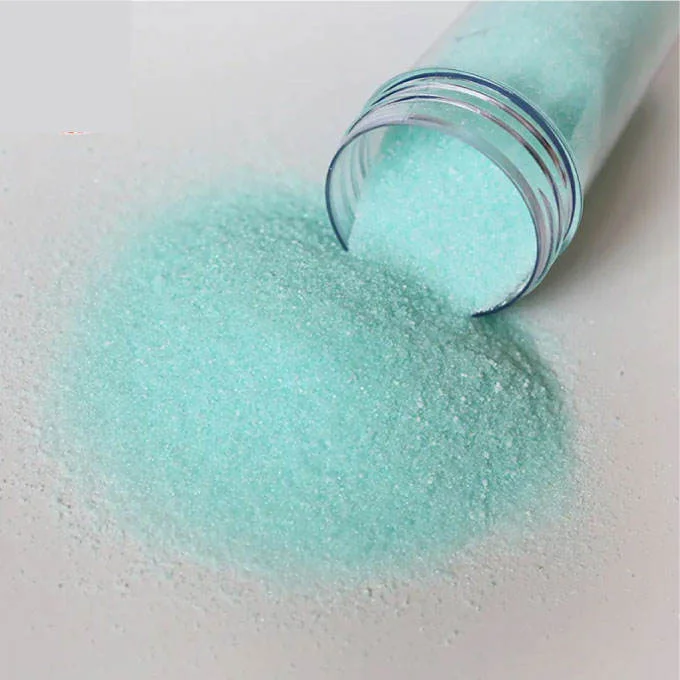
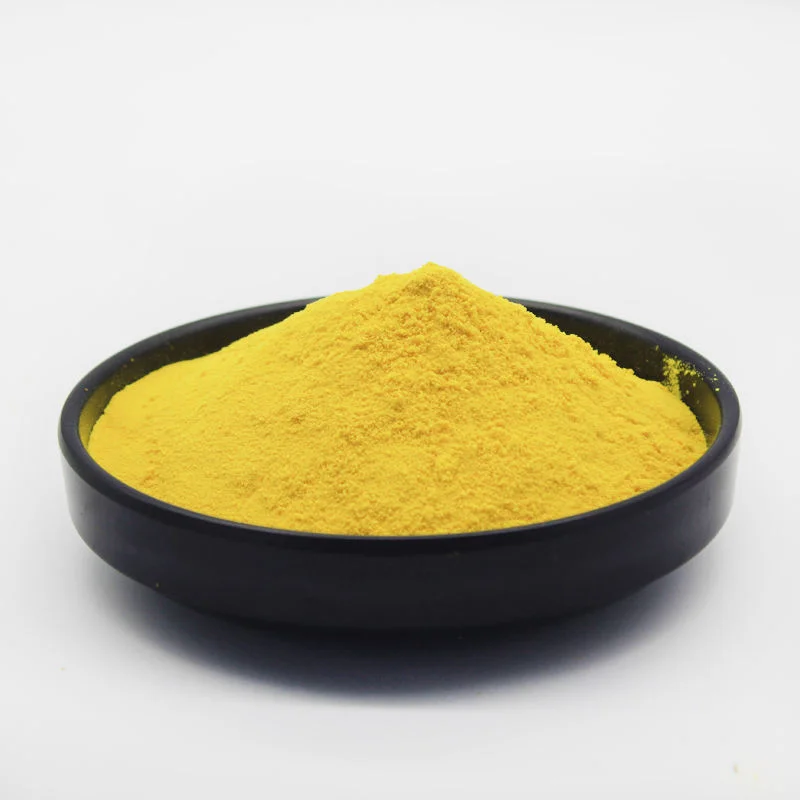
Coagulants are essential chemicals used in water treatment processes to facilitate the aggregation of suspended particles, making them easier to remove from water. This category includes various types of coagulants such as aluminum sulfate, ferric chloride, and polyaluminum chloride, which are commonly utilized in municipal and industrial water treatment applications. Industries such as wastewater management, drinking water purification, and industrial process water treatment frequently source coagulants to ensure compliance with health and environmental standards.
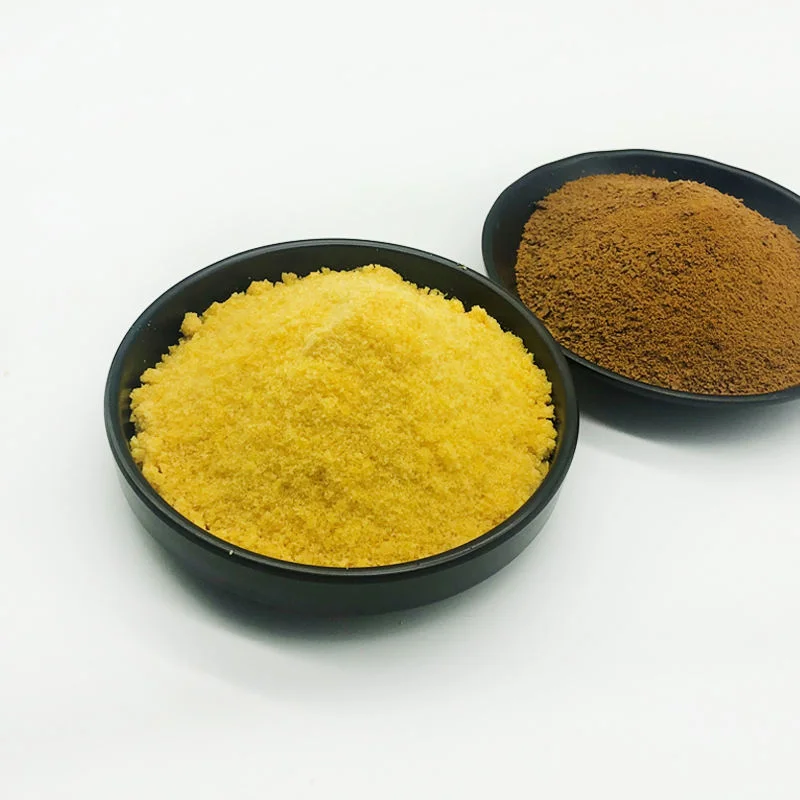
When sourcing coagulants, buyers should compare the chemical composition, effectiveness, and dosage requirements of different products. It is important to specify the intended application, water quality parameters, and any regulatory compliance needed in your enquiry. Additionally, consider the supplier's certifications and quality control measures to ensure the coagulants meet industry standards.
Common types include aluminum sulfate, ferric chloride, and polyaluminum chloride.
Consider factors like water quality, particle size, and the specific treatment process.
Coagulants must meet local and federal regulations for water treatment chemicals.
Coagulants should be stored in a cool, dry place, away from incompatible materials.
Dosage varies based on water quality and treatment goals; consult product guidelines.
Yes, coagulants are suitable for both applications but may differ in formulation.
Yes, some biodegradable and natural coagulants are available for environmentally conscious applications.
Sourcing something in Coagulants?
Tell us your requirement and our team brings you quotes from verified manufacturers.