Loading…

Subcategory
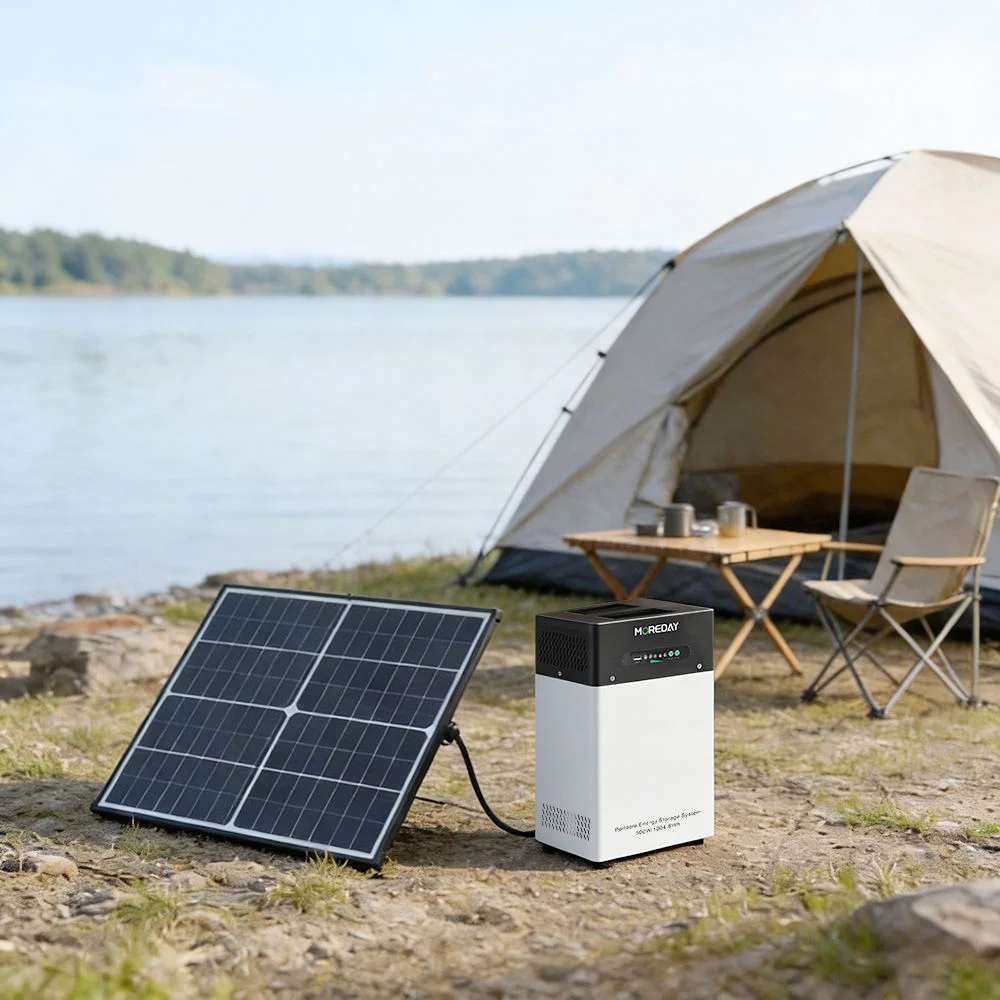
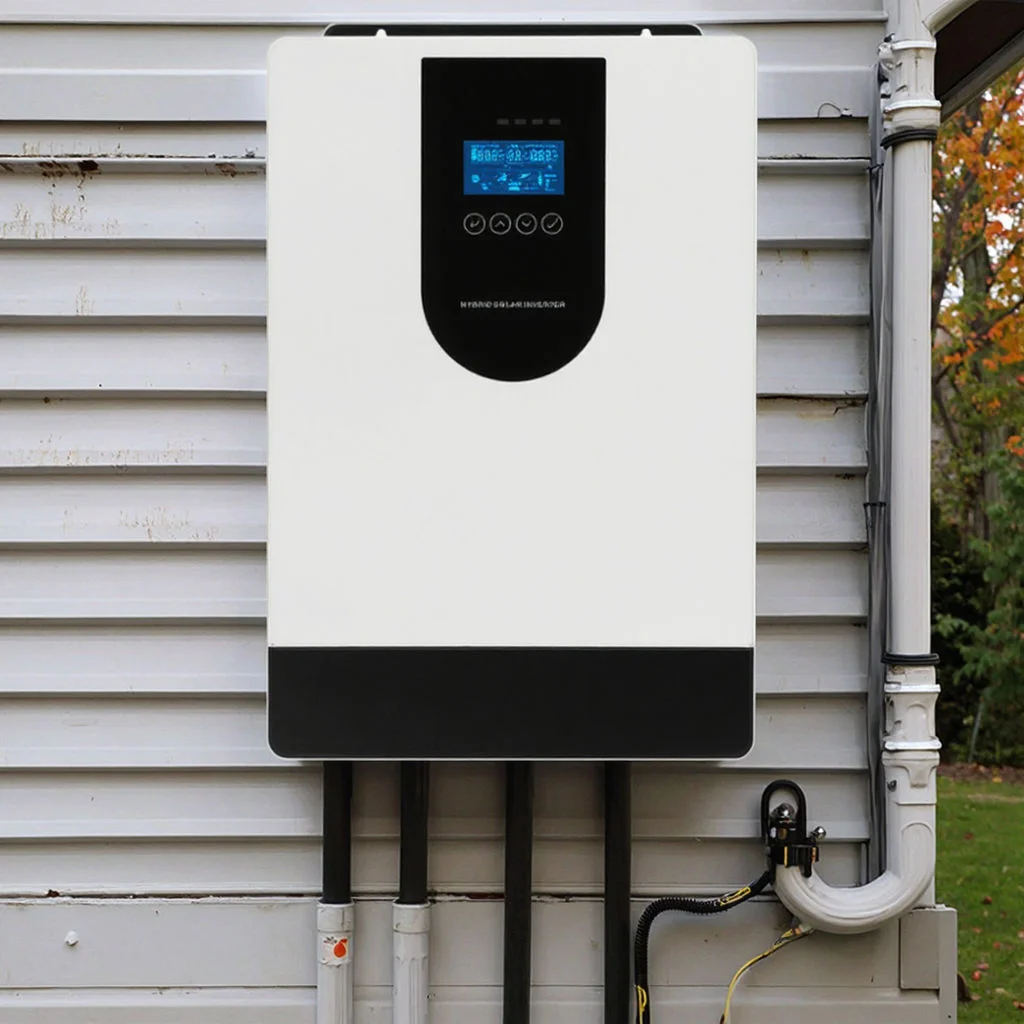
Hybrid systems in the energy and power sector combine multiple energy sources, such as renewable energy and traditional fossil fuels, to optimize power generation. This category includes various configurations, such as solar-diesel hybrids, wind-battery systems, and other innovative combinations designed to enhance efficiency and reliability. Industries that commonly source hybrid systems include utilities, renewable energy developers, and commercial enterprises looking to reduce energy costs and carbon footprints.
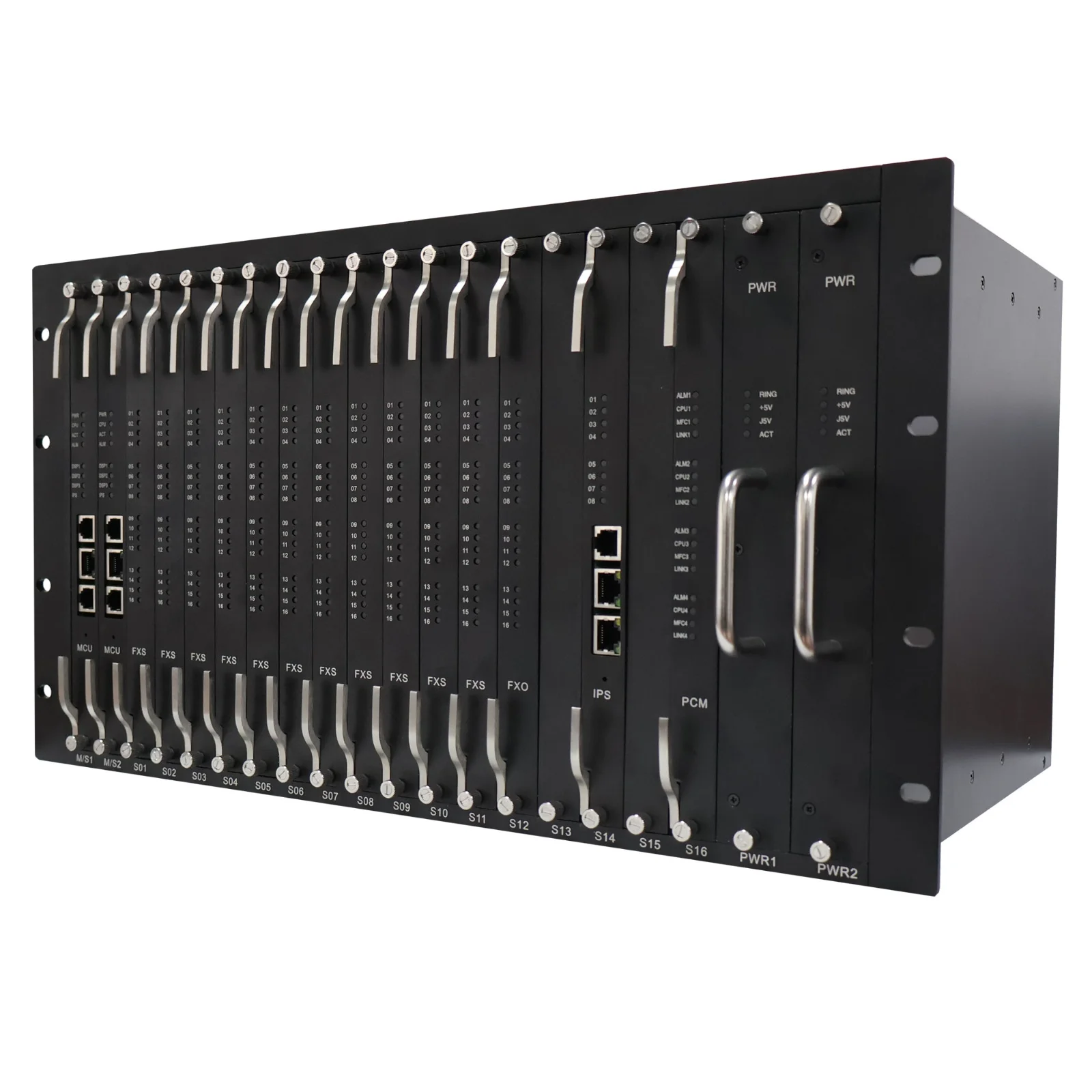
When sourcing hybrid systems, buyers should compare the efficiency ratings, capacity, and compatibility of different energy sources. It is essential to specify the expected energy output, operational environment, and any regulatory requirements in your inquiries. Common quality considerations include adherence to industry standards, certifications, and the reliability of components used in the hybrid systems.
Hybrid systems provide increased efficiency, reduced emissions, and enhanced reliability by utilizing multiple energy sources.
Assess your energy requirements, budget, and the availability of energy sources in your location to find the best fit.
Industries such as utilities, transportation, and commercial sectors frequently implement hybrid systems for power generation.
Yes, hybrid systems must comply with local and national energy regulations, which can vary by region.
Look for certifications, industry standards compliance, and reviews from previous users when evaluating quality.
Regular maintenance includes checking the performance of each energy source, battery health, and system integration.
Yes, many hybrid systems are designed for easy integration with existing power generation infrastructure.
The lifespan can vary widely depending on the components used, but many systems are designed to last 15-25 years with proper maintenance.
Sourcing something in Hybrid Systems?
Tell us your requirement and our team brings you quotes from verified manufacturers.