Loading…

Product type
Cellulase enzymes are biological catalysts that facilitate the breakdown of cellulose into simpler sugars. They are produced by various microorganisms and fungi and are primarily composed of proteins. These enzymes play a crucial role in the degradation of plant materials and are widely used in various industrial processes.
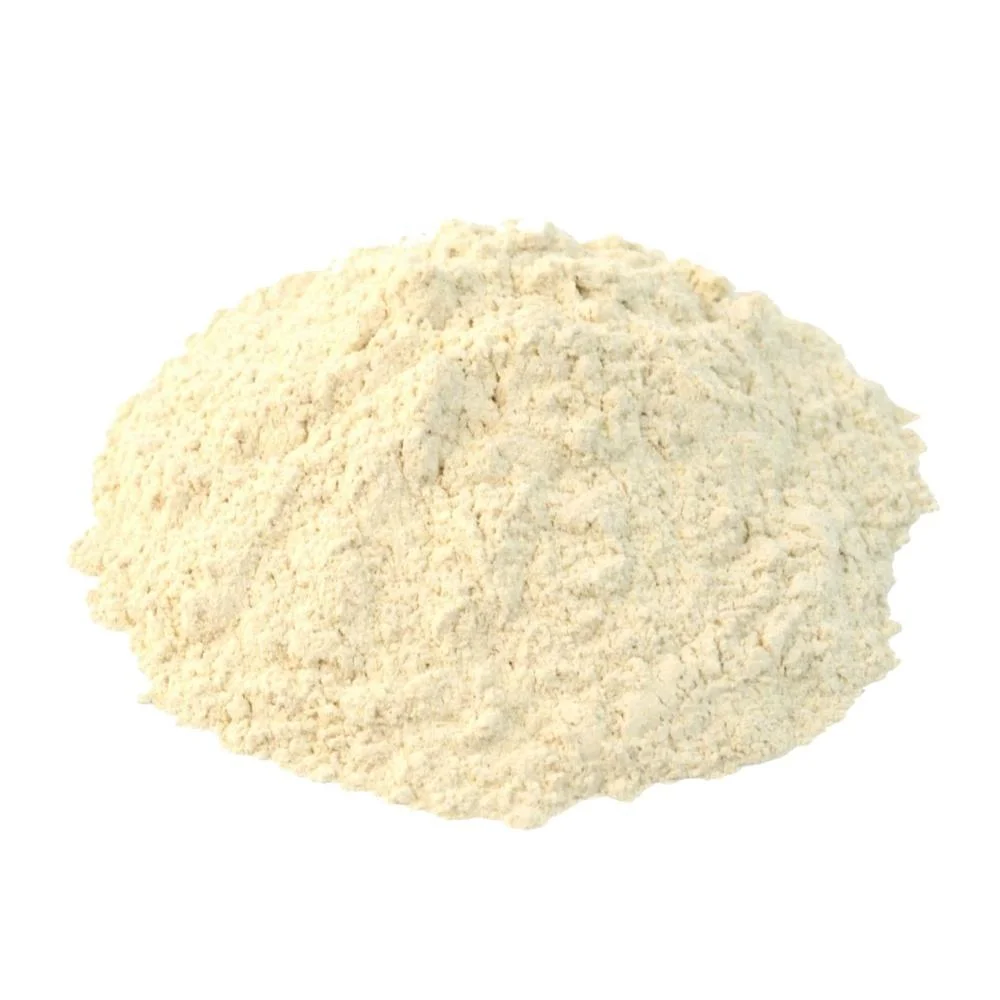
| Form | Liquid or powder |
| Activity | Measured in FPU (filter paper units) or CMC (carboxymethyl cellulose) units |
| Optimal pH | Typically between 4.5 and 7.0 |
| Temperature stability | Active at temperatures ranging from 30°C to 70°C |
| Source organisms | Bacteria and fungi, such as Trichoderma reesei and Aspergillus niger |
When selecting cellulase enzymes, consider the specific application and the type of substrate involved. It's important to specify the required enzyme activity level, optimal pH, and temperature conditions for your process. Additionally, inquire about the source organism, as this can affect performance. Certifications and quality standards may also be relevant depending on the industry application.
Get quotes for Cellulase Enzyme
Tell us your requirement — quantity, specs and timeline — and our team sources verified manufacturers and brings you the best quote.
Cellulase is used to break down cellulose in various applications, including biofuel production and food processing.
Consider the substrate type, required activity level, and operational conditions such as pH and temperature.
Yes, many cellulase enzymes are food-grade and approved for use in food processing.
Yes, they can enhance nutrient availability in animal feed by breaking down fibrous plant materials.
Factors include pH, temperature, substrate concentration, and the presence of inhibitors.
They are typically produced by fermentation processes using specific microorganisms.