Loading…

Subcategory
The Polyester category encompasses a range of synthetic fibers made from polymer resins. It includes various forms such as filament yarns, staple fibers, and textured yarns, which are widely used in textiles and apparel manufacturing. Industries such as fashion, automotive, and home furnishings source polyester for its durability, versatility, and cost-effectiveness.
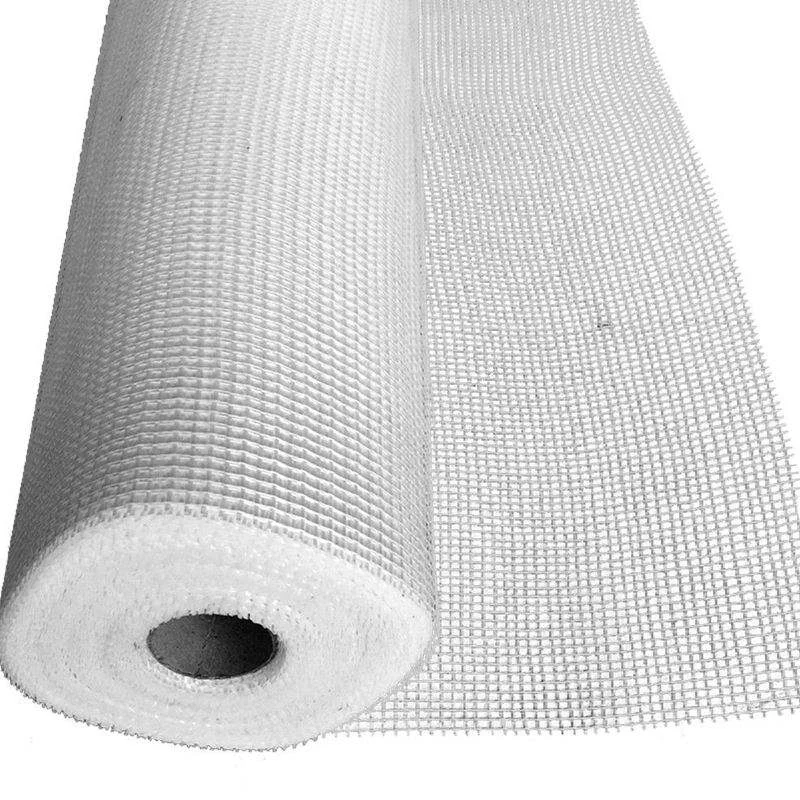
When sourcing polyester, buyers should compare different types based on their intended application, such as strength, elasticity, and moisture-wicking properties. It's important to specify the desired fiber denier, finish, and any specific certifications required for quality or environmental compliance. Common considerations include the fiber's resistance to UV light, abrasion, and its overall sustainability profile.
The main types include PET (polyethylene terephthalate), PCDT (poly-1,4-cyclohexylene dimethylene terephthalate), and recycled polyester.
Quality can be assessed by checking the fiber's denier, tensile strength, and any certifications for standards such as Oeko-Tex or GRS.
Common industries include apparel, automotive, home textiles, and industrial applications.
Yes, concerns include its non-biodegradability and reliance on petroleum-based resources, prompting a shift towards recycled polyester.
Include details such as fiber type, denier, finish, color, and any compliance requirements for quality or sustainability.
Yes, polyester is often blended with natural fibers like cotton or wool to enhance performance characteristics.
Polyester offers advantages such as high durability, resistance to wrinkles, quick drying, and ease of care.
Recycled polyester is made from post-consumer plastic bottles or waste, processed into fibers for textile use.
Sourcing something in Polyester?
Tell us your requirement and our team brings you quotes from verified manufacturers.