Loading…

Subcategory
Synthetic colors are artificial colorants used to enhance the visual appeal of food and beverages. This category includes a variety of synthetic dyes and pigments that are commonly used in the food industry, including food-grade colorants for confectionery, beverages, dairy products, and baked goods. Industries such as food processing, catering, and beverage production source synthetic colors to meet consumer demand for vibrant and appealing products.
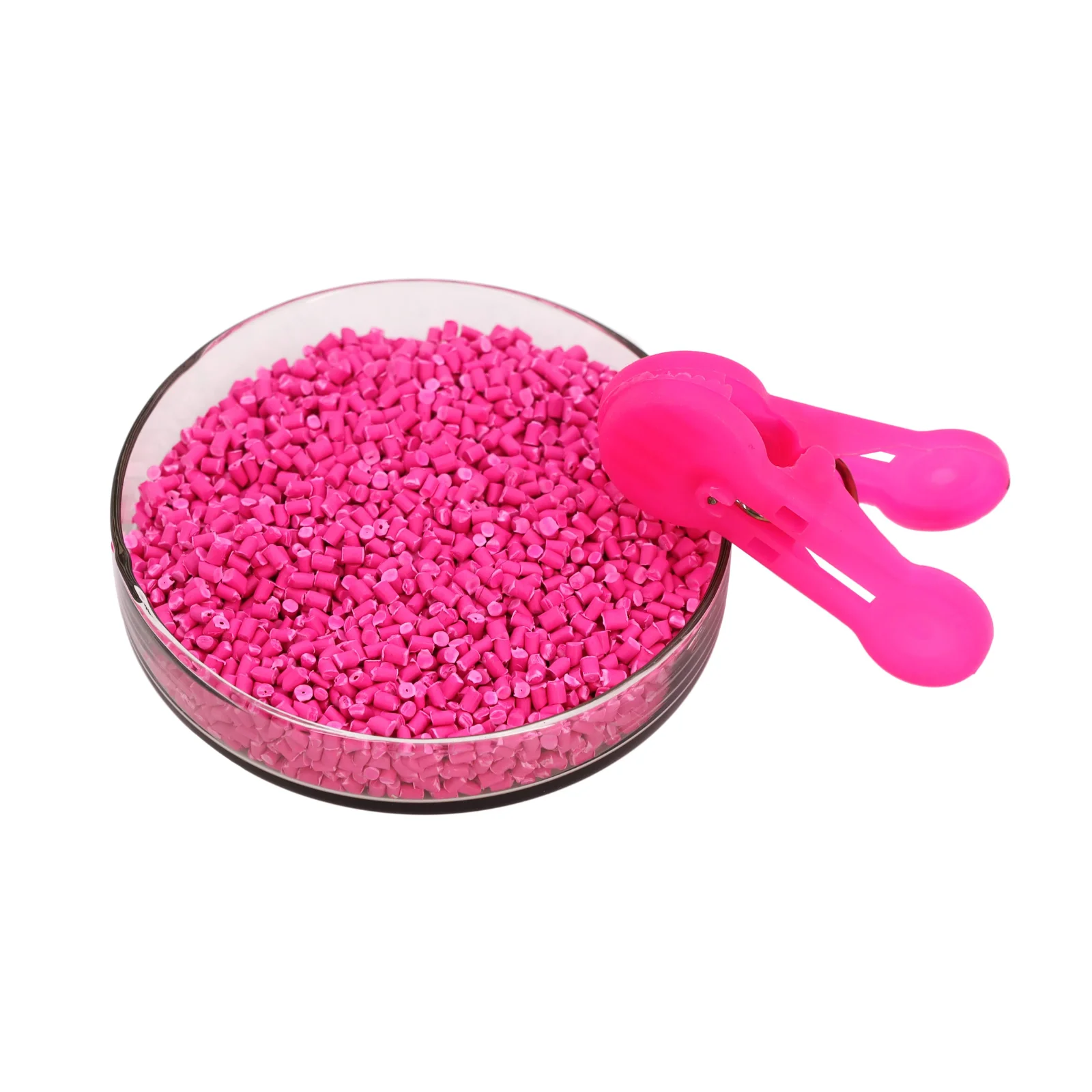
When sourcing synthetic colors, buyers should compare the types of colors available, such as lakes and dyes, and their applications in specific food products. It is essential to specify the intended use, desired color shade, and any regulatory compliance requirements in inquiries. Common considerations include adherence to food safety standards, labeling regulations, and potential allergen information.
Synthetic colors are used to enhance the appearance of food and beverages, making them more visually appealing.
Yes, synthetic colors are regulated and must meet safety standards set by food safety authorities.
Consider the product type, desired color shade, and any regulatory requirements when selecting a synthetic color.
Synthetic colors must comply with food safety regulations, including approval by relevant authorities for specific uses.
Typically, synthetic colors are formulated to be flavor-neutral, but it's important to test for any interactions.
Dyes are water-soluble colorants, while lakes are pigment-based and often used in dry applications.
Synthetic colors should be stored in a cool, dry place, away from direct sunlight to maintain their stability.
Shelf life varies by product, but most synthetic colors have a long shelf life if stored properly.
Sourcing something in Synthetic Colors?
Tell us your requirement and our team brings you quotes from verified manufacturers.