Loading…

Product type
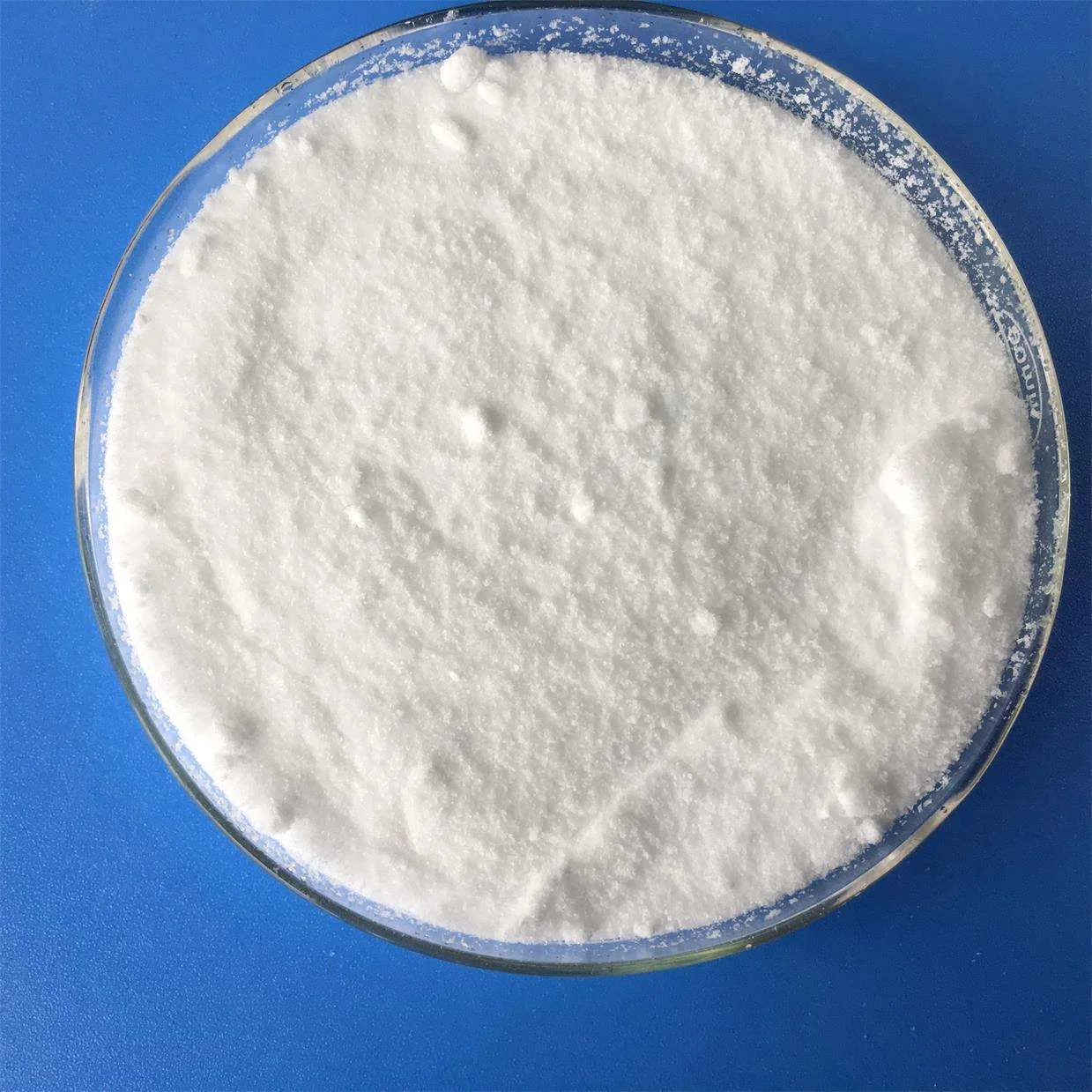
PVC resin, or polyvinyl chloride resin, is a widely used synthetic polymer known for its versatility and durability. It is produced through the polymerization of vinyl chloride monomer and is available in both rigid and flexible forms. PVC resin is commonly used in a variety of applications due to its excellent chemical resistance, low cost, and ease of processing.
| Chemical formula | C2H3Cl |
| Density | 1.3 to 1.5 g/cm³ |
| Melting point | 75 to 100 °C |
| Processing temperature | 160 to 200 °C |
| Color | White to off-white powder |
When selecting PVC resin, buyers should consider the desired application and whether rigid or flexible PVC is required. It's important to specify the grade of PVC, as different formulations may offer varying properties such as impact resistance or thermal stability. Additionally, buyers should inquire about any necessary certifications and tolerances based on industry standards, as well as the quantity needed for their project.
Get quotes for PVC Resin
Tell us your requirement — quantity, specs and timeline — and our team sources verified manufacturers and brings you the best quote.
Rigid PVC is hard and used for pipes and fittings, while flexible PVC contains additives that allow it to bend and is used for products like cables.
PVC has environmental concerns related to its production and disposal, but advancements in recycling and additives are improving its sustainability.
PVC resin is used in construction, automotive, medical, and consumer goods industries.
Yes, PVC can be recycled, though the process can be more complex compared to other plastics.
Typical applications include pipes, flooring, window frames, and packaging materials.
PVC resin is processed through methods like extrusion, injection molding, and calendaring.