Loading…

Subcategory
Implantable devices are medical instruments that are surgically placed inside the body to support or enhance bodily functions. This category includes products such as pacemakers, orthopedic implants, and drug delivery systems. Industries sourcing these devices include healthcare providers, hospitals, and medical research organizations.
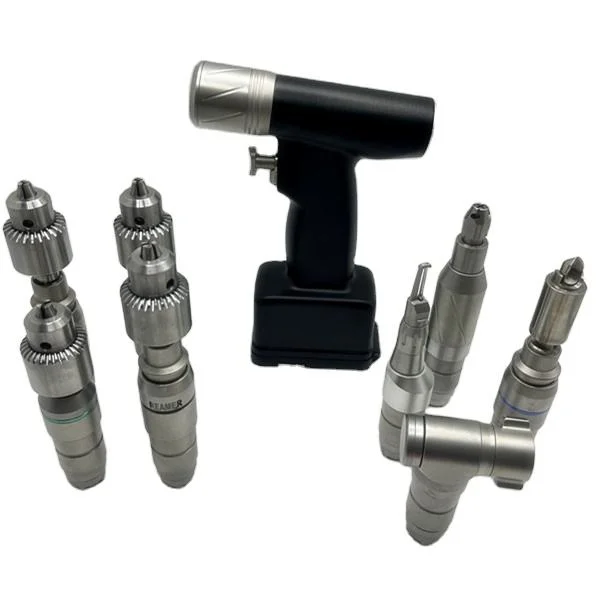
When sourcing implantable devices, buyers should compare product specifications, regulatory compliance, and manufacturer certifications. It is essential to specify the intended use, material requirements, and any necessary biocompatibility standards in inquiries. Quality assurance and adherence to industry regulations are critical considerations.
Common types include cardiac devices, orthopedic implants, and neurostimulators.
Implantable devices must comply with standards set by regulatory bodies such as the FDA or CE marking in Europe.
Look for certifications, quality management systems, and track records of the manufacturers.
Materials often include titanium, stainless steel, and biocompatible polymers.
Request biocompatibility test results and certifications from the manufacturer.
Consider the device's intended use, compatibility with existing systems, and patient safety.
Many manufacturers offer warranties; it's important to inquire about terms before purchase.
Lead times can vary; it's advisable to check with suppliers for specific timelines.
Sourcing something in Implantable Devices?
Tell us your requirement and our team brings you quotes from verified manufacturers.