Loading…

Product type
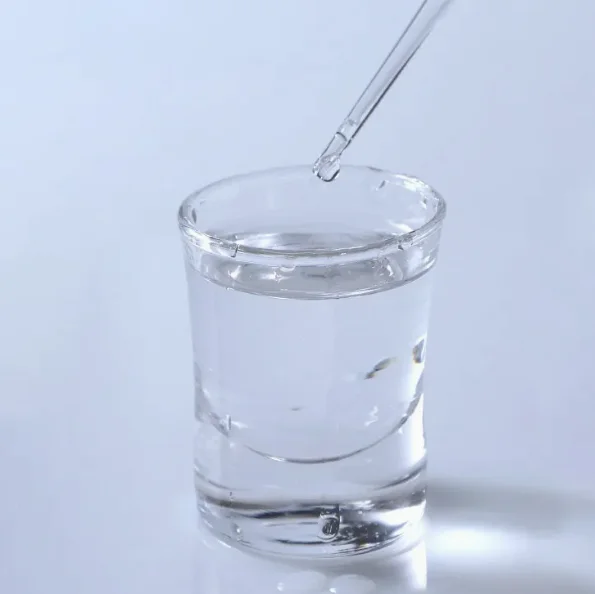
Glycerin, also known as glycerol, is a colorless, odorless, and viscous liquid that is widely used in the personal care and cosmetic industries. It can be derived from vegetable oils or produced synthetically. Glycerin is hygroscopic, meaning it attracts moisture from the air, making it an effective humectant in various formulations. It is commonly found in lotions, creams, and other skincare products due to its ability to hydrate and soften the skin.
| Chemical formula | C3H8O3 |
| Purity | Typically 95% to 99% |
| Appearance | Clear, viscous liquid |
| Solubility | Soluble in water and alcohol |
| pH range | Approximately 5 to 7 |
When selecting glycerin, buyers should consider the source (vegetable or synthetic) based on their product formulation requirements. It is important to specify the desired purity level, as this can affect the performance in cosmetic applications. Additionally, buyers should inquire about certifications such as food-grade or pharmaceutical-grade if applicable, and provide estimated quantities for accurate pricing.
Get quotes for Glycerin (vegetable / synthetic)
Tell us your requirement — quantity, specs and timeline — and our team sources verified manufacturers and brings you the best quote.
Vegetable glycerin is derived from plant oils, while synthetic glycerin is chemically produced.
Yes, glycerin is generally safe and well-tolerated by most skin types.
Yes, glycerin is used as a food additive and is considered safe for consumption.
Glycerin has a long shelf life, typically around 2 to 3 years when stored properly.
Glycerin should be stored in a cool, dry place away from direct sunlight.
Yes, glycerin is biodegradable and environmentally friendly.