Loading…

Subcategory
Vat dyes are a class of dyes that are insoluble in water and require a reducing agent to become soluble for application on textiles. This category includes various types of vat dyes, such as indigo and other synthetic alternatives, which are commonly used in dyeing cotton and other cellulose fibers. Industries that source vat dyes include textiles, fashion, and home furnishings, where colorfastness and durability are critical requirements.
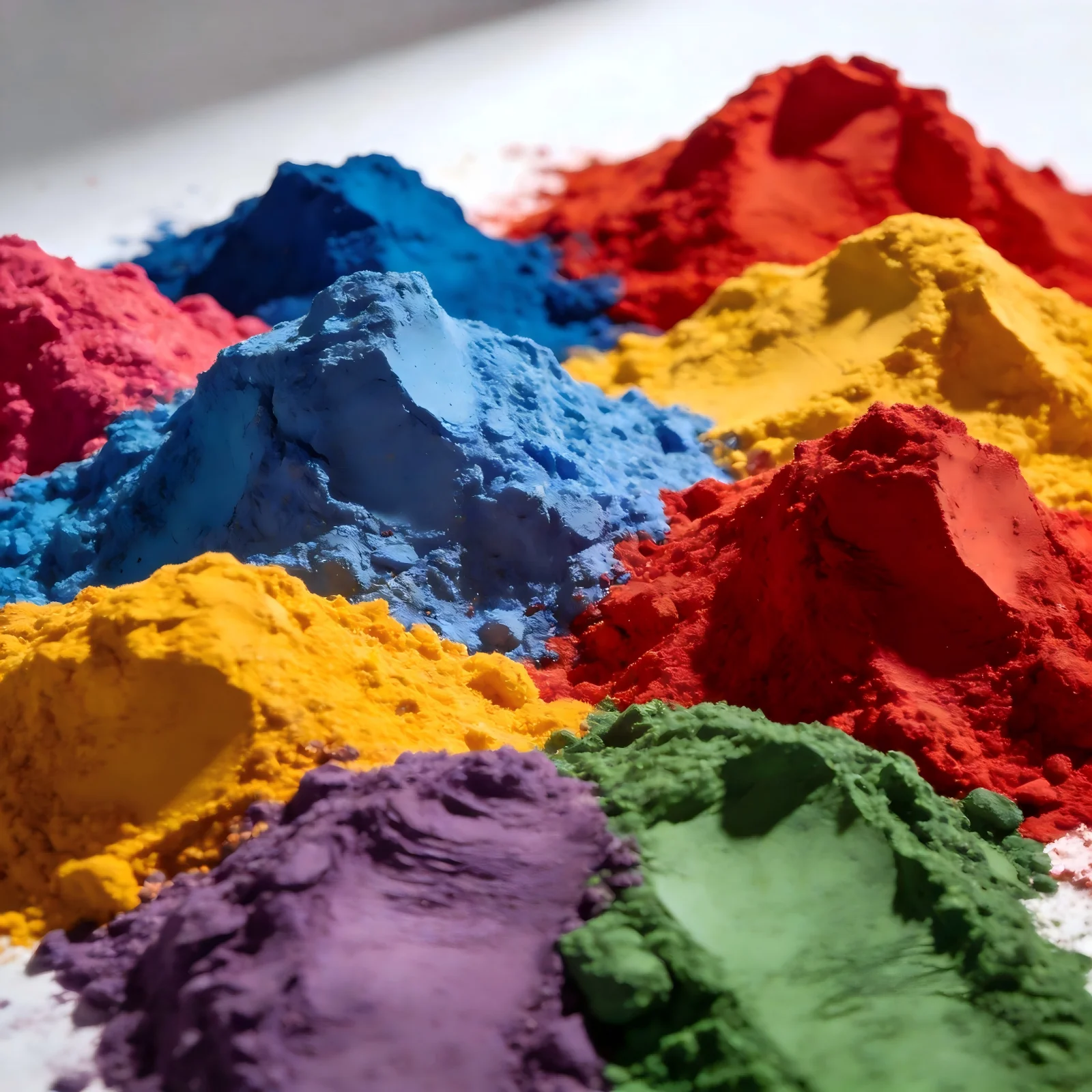
When sourcing vat dyes, buyers should compare factors such as colorfastness, lightfastness, and the specific fiber compatibility of the dyes. It is essential to specify the desired color, application method, and any environmental compliance requirements in an enquiry. Common quality considerations include adherence to industry standards for safety and environmental impact, as well as the dye's performance in terms of wash and rub fastness.
Vat dyes are primarily used for dyeing cotton and other cellulose fibers, providing excellent colorfastness.
Unlike other dyes, vat dyes are insoluble in water and require a reducing agent to be applied to fabrics.
Industries such as textiles, fashion, and home furnishings frequently utilize vat dyes for their durability and color retention.
Consider factors like colorfastness, compatibility with fibers, and environmental compliance when selecting vat dyes.
Some vat dyes can be environmentally friendly, but it's important to check for compliance with relevant environmental standards.
Vat dyes are applied through a process that involves reducing the dye to a soluble form, dyeing the fabric, and then oxidizing it to fix the color.
The shelf life of vat dyes can vary, but proper storage in a cool, dry place can extend their usability.
Vat dyes are primarily designed for cellulose fibers; their effectiveness on synthetic fibers is limited.
Sourcing something in vat dyes?
Tell us your requirement and our team brings you quotes from verified manufacturers.