Loading…

Product type
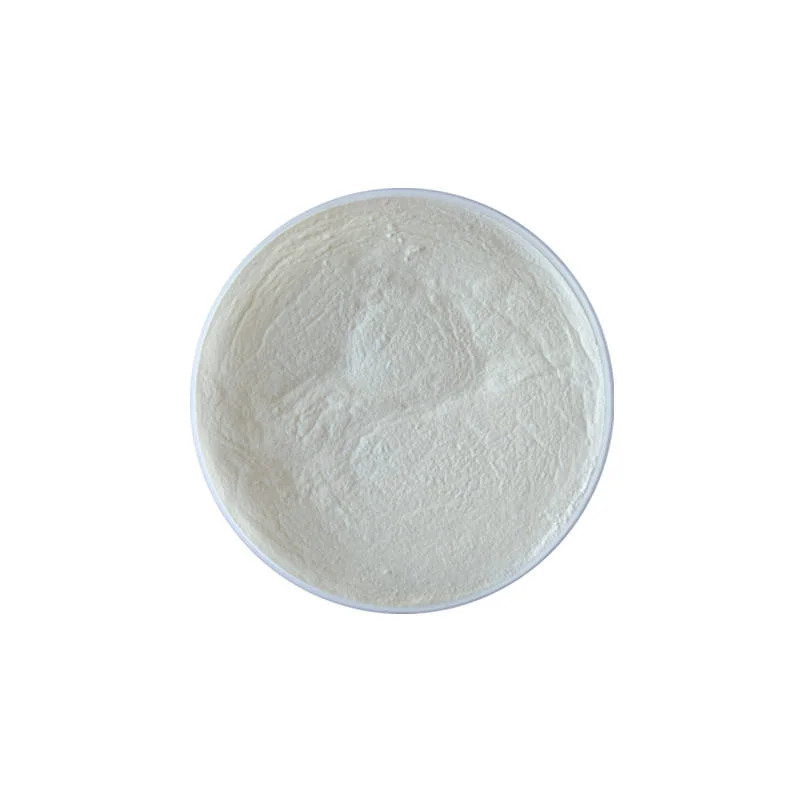
Lipase enzymes are biocatalysts that facilitate the breakdown of lipids into fatty acids and glycerol. They are typically derived from microbial sources, such as bacteria and fungi, and can also be obtained from animal tissues. Lipases play a crucial role in various biochemical processes, including digestion and metabolism, and are widely utilized in industrial applications for their ability to catalyze esterification, transesterification, and hydrolysis reactions.
| Source | Microbial, animal, or plant-derived |
| Activity | Measured in units per gram (U/g) |
| Temperature stability | Active at temperatures ranging from 20°C to 70°C |
| pH range | Optimal activity typically between pH 5 to 9 |
| Form | Liquid or powder |
When selecting lipase enzymes, buyers should consider the source of the enzyme, as different sources may offer varying activity levels and stability. It is important to specify the desired activity units, temperature and pH stability, and the form of the enzyme required for the application. Additionally, certifications such as food-grade or pharmaceutical-grade may be necessary depending on the intended use, along with the required quantities for production.
Get quotes for Lipase Enzyme
Tell us your requirement — quantity, specs and timeline — and our team sources verified manufacturers and brings you the best quote.
They are used in food processing, biofuels, detergents, and pharmaceuticals.
Consider the source, activity level, and application requirements.
Yes, provided they are food-grade certified.
Activity is usually measured in units per gram (U/g).
Many lipases are active at temperatures up to 70°C.
Yes, they typically work best within a pH range of 5 to 9.