Loading…

Subcategory
Centrifuges are essential laboratory equipment used for the separation of substances based on density differences. This category includes various types of centrifuges such as microcentrifuges, clinical centrifuges, and high-speed centrifuges, catering to diverse applications in medical, research, and industrial laboratories. Industries such as healthcare, biotechnology, and pharmaceuticals frequently source centrifuges for processes like blood separation, cell culture, and sample preparation.
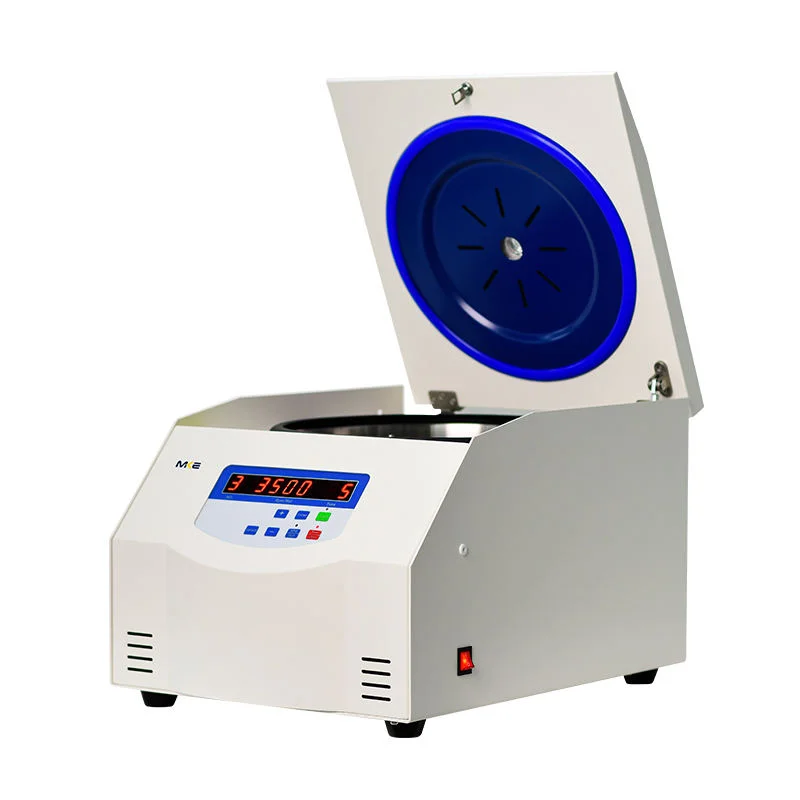
When sourcing centrifuges, buyers should compare factors such as maximum speed, capacity, and rotor types to ensure compatibility with their specific applications. It's important to specify the intended use, sample types, and any required features such as temperature control or programmable settings in inquiries. Buyers should also consider compliance with relevant safety and quality standards, as well as the availability of service and support.
Common types include microcentrifuges, clinical centrifuges, and high-speed centrifuges.
Consider factors like sample size, required speed, and specific applications.
Centrifuge capacities can range from a few milliliters to several liters, depending on the model.
Yes, centrifuges should comply with relevant safety and quality standards, which may vary by region.
Yes, but ensure the centrifuge and rotor are compatible with the specific sample types.
Regular maintenance includes cleaning, checking for wear, and ensuring proper calibration.
Most centrifuges require a stable surface and proper electrical connections; consult the manufacturer's guidelines.
Look for features like speed control, temperature regulation, and user-friendly interfaces.
Sourcing something in Centrifuges?
Tell us your requirement and our team brings you quotes from verified manufacturers.