Loading…

Subcategory
Solar charge controllers are essential components in solar power systems, regulating the voltage and current coming from the solar panels to the batteries. This category includes various types of solar charge controllers, such as PWM (Pulse Width Modulation) and MPPT (Maximum Power Point Tracking) controllers. Industries that commonly source solar charge controllers include renewable energy, agriculture, telecommunications, and off-grid power systems.
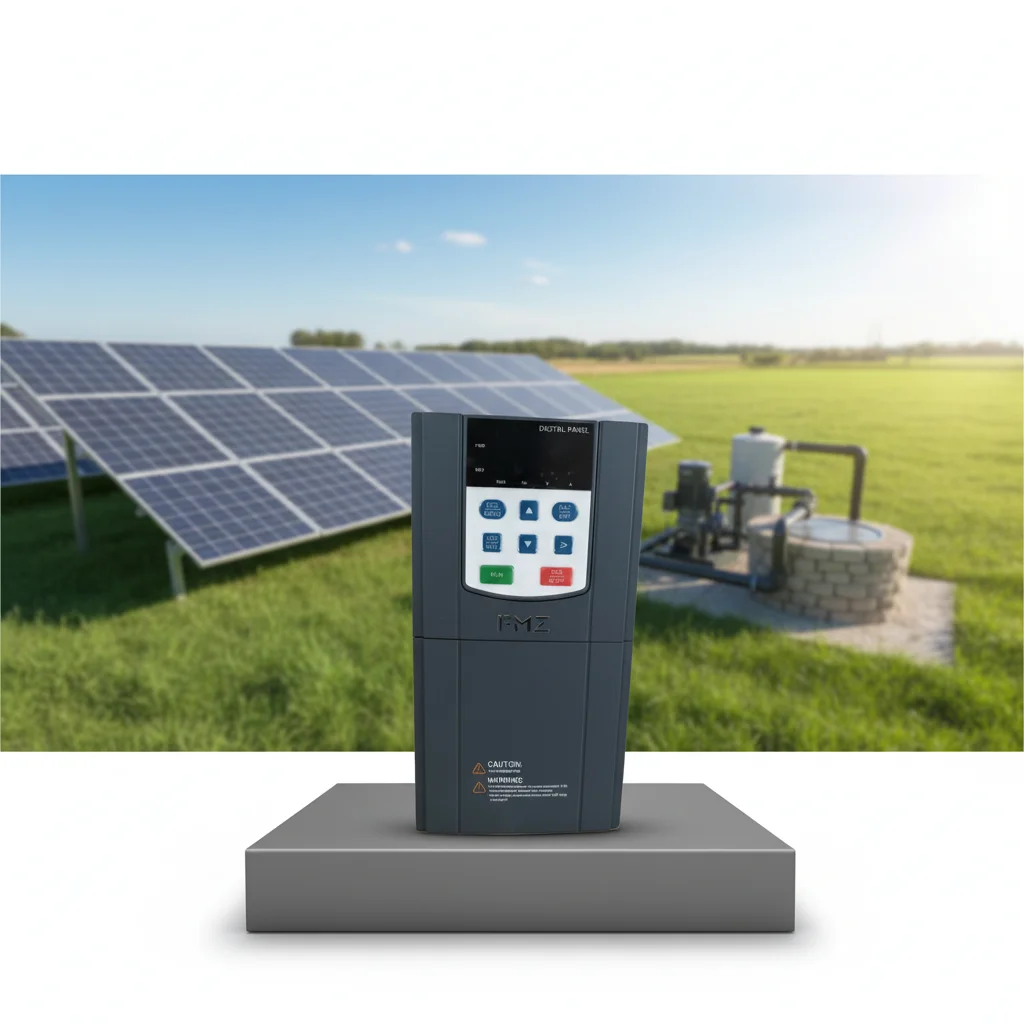
When sourcing solar charge controllers, buyers should compare the types (PWM vs. MPPT), voltage ratings, and current capacities to ensure compatibility with their solar panel and battery systems. It is important to specify the system voltage, battery type, and expected load in inquiries. Additionally, consider compliance with relevant standards and certifications to ensure quality and reliability.
PWM controllers are simpler and less expensive, while MPPT controllers are more efficient and can extract more power from solar panels.
Calculate the total current from your solar panels and ensure the charge controller can handle that current and matches your system voltage.
Look for certifications such as UL, CE, or IEC that indicate compliance with safety and performance standards.
Yes, but ensure the charge controller is compatible with the specific battery type, such as lead-acid or lithium-ion.
Consider features like monitoring capabilities, temperature compensation, and load control options.
Installation typically involves connecting the solar panels, battery, and load to the charge controller according to the manufacturer's instructions.
A well-maintained solar charge controller can last 5 to 10 years, depending on usage and environmental conditions.
Yes, even small solar systems benefit from a charge controller to prevent battery overcharging and extend battery life.
Sourcing something in Solar Charge Controllers?
Tell us your requirement and our team brings you quotes from verified manufacturers.