Loading…

Subcategory
The Spunbond category encompasses a range of non-woven fabrics produced through the spunbond process, where continuous filaments are extruded and bonded together. This category includes various types of spunbond materials, such as polypropylene and polyester, which are widely used in applications like medical textiles, geotextiles, and packaging. Industries that source spunbond fabrics include healthcare, agriculture, construction, and consumer goods.
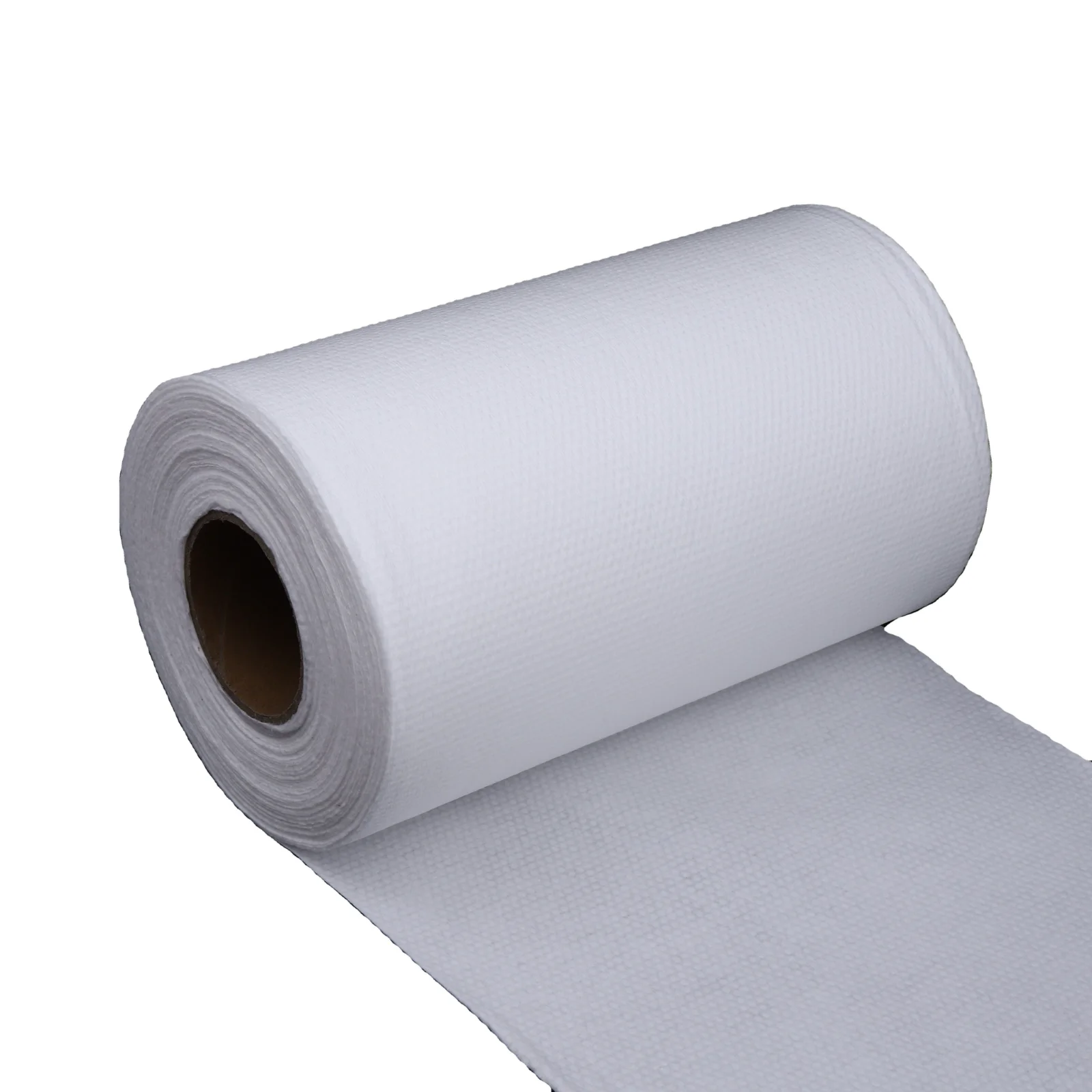
When sourcing spunbond fabrics, buyers should compare material types, weights, and bonding methods to ensure the product meets their specific needs. It is important to specify the intended application, desired durability, and any regulatory compliance requirements in inquiries. Common quality considerations include fabric strength, permeability, and resistance to chemicals or UV exposure.
Spunbond fabrics are used in medical textiles, agricultural covers, filtration, and packaging.
Select the weight based on the intended application; heavier fabrics offer more durability, while lighter ones may be more cost-effective.
Many spunbond fabrics are recyclable, especially those made from polypropylene, but it's essential to check specific product certifications.
Polypropylene spunbond is typically more cost-effective and has good moisture resistance, while polyester spunbond offers better strength and UV resistance.
Request documentation from suppliers regarding compliance with relevant standards such as ISO or ASTM for your specific application.
Price can be influenced by material type, weight, production volume, and any additional treatments or coatings.
Yes, spunbond fabrics can often be printed or dyed, but it's important to confirm compatibility with the specific fabric type.
Sourcing something in Spunbond?
Tell us your requirement and our team brings you quotes from verified manufacturers.