Loading…

Subcategory
The Wool category encompasses various types of wool fibers sourced from sheep and other animals. This category includes product groups such as raw wool, processed wool, and specialty wools like Merino and cashmere. Industries that commonly source wool include textiles, fashion, home furnishings, and insulation manufacturing, benefiting from its natural properties and versatility.
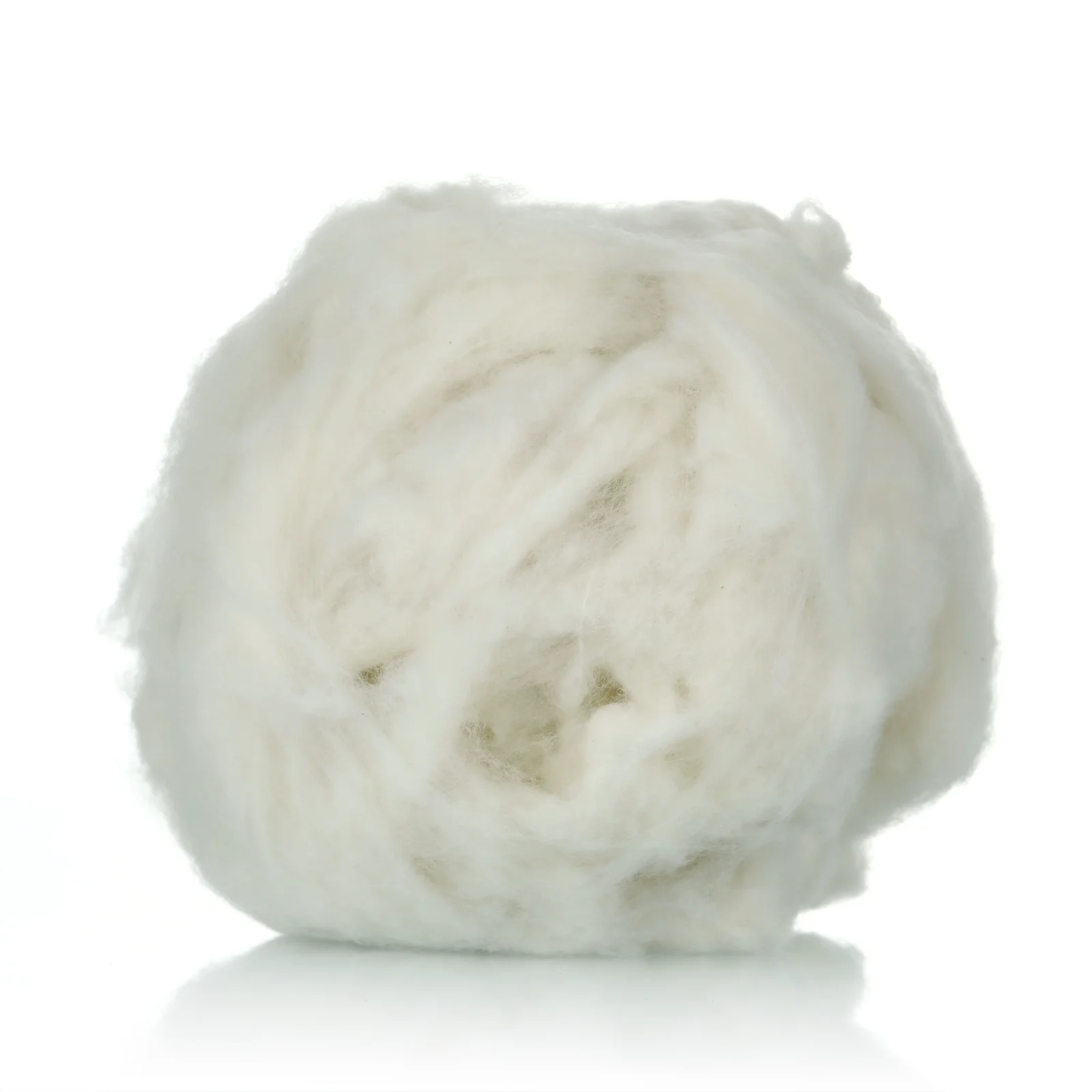
When sourcing wool, buyers should compare the types of wool available, including their grades, fiber lengths, and processing methods. It is important to specify the intended use in inquiries, as different applications may require specific wool characteristics. Common considerations include compliance with industry standards for sustainability and quality, as well as certifications that may be relevant to the buyer's market.
Common types include Merino, Shetland, cashmere, and alpaca wool.
Quality can be assessed based on fiber diameter, length, and cleanliness, as well as certifications.
Industries include textiles, apparel, home furnishings, and insulation.
Yes, there are industry standards for wool quality and sustainability, such as the Woolmark certification.
Factors include fiber quality, processing methods, market demand, and seasonal availability.
Yes, many suppliers offer sustainably sourced wool, adhering to ethical farming practices.
Raw wool is sheared directly from sheep, while processed wool has been cleaned and prepared for use.
Request certifications and documentation from suppliers that verify compliance with relevant standards.
Sourcing something in Wool?
Tell us your requirement and our team brings you quotes from verified manufacturers.