Loading…

Product type
Alum, or aluminum sulfate, is a chemical compound commonly used in water treatment processes. It is a white, crystalline substance that acts as a coagulant, helping to remove impurities and suspended particles from water. When added to water, alum forms flocs, which are larger aggregates of particles that can be easily removed through sedimentation or filtration.
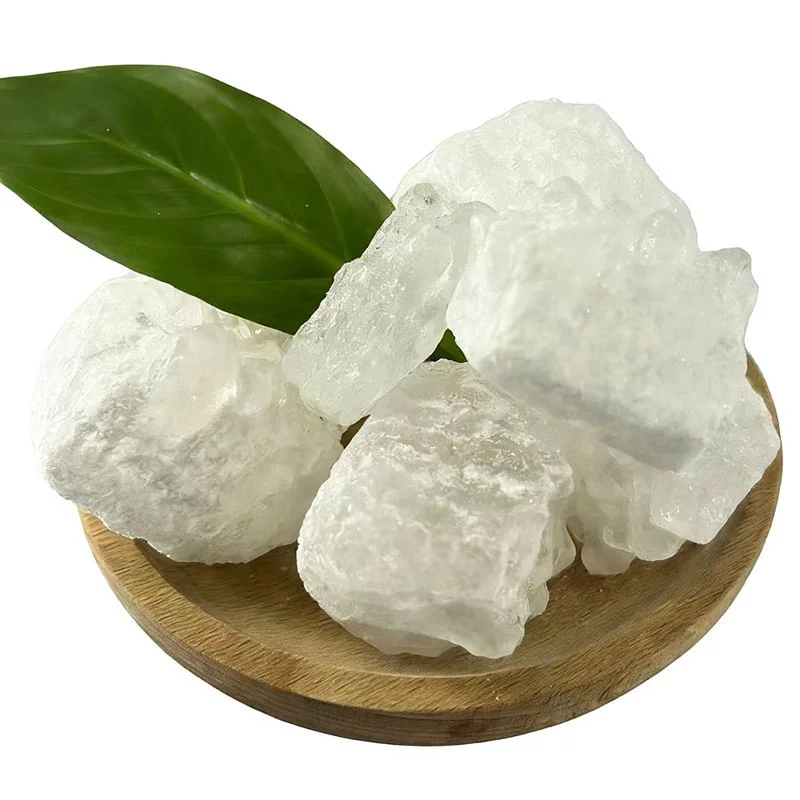
| Chemical formula | Al2(SO4)3 |
| Appearance | White crystalline solid |
| Solubility | Soluble in water |
| pH range | 4.0 to 6.0 in solution |
| Typical dosage | 10 to 100 mg/L depending on water quality |
When selecting alum for water treatment, consider the specific water quality and the desired treatment goals. It is important to specify the required dosage, as this can vary based on the level of impurities present. Additionally, inquire about the purity grade and any relevant certifications that ensure compliance with environmental regulations. Quantities may vary based on the scale of the treatment facility.
Get quotes for Alum
Tell us your requirement — quantity, specs and timeline — and our team sources verified manufacturers and brings you the best quote.
Alum is primarily used as a coagulant in water treatment to remove impurities.
Yes, alum is commonly used in drinking water treatment and is considered safe when used properly.
Alum works by destabilizing suspended particles, allowing them to clump together and be removed from the water.
Yes, alum is effective in treating wastewater by removing solids and improving clarity.
When used correctly, alum has minimal environmental impacts, but excessive use can lead to aluminum accumulation in water bodies.
Alum is available in various forms, including powder, granules, and liquid solutions.