Loading…

Product type
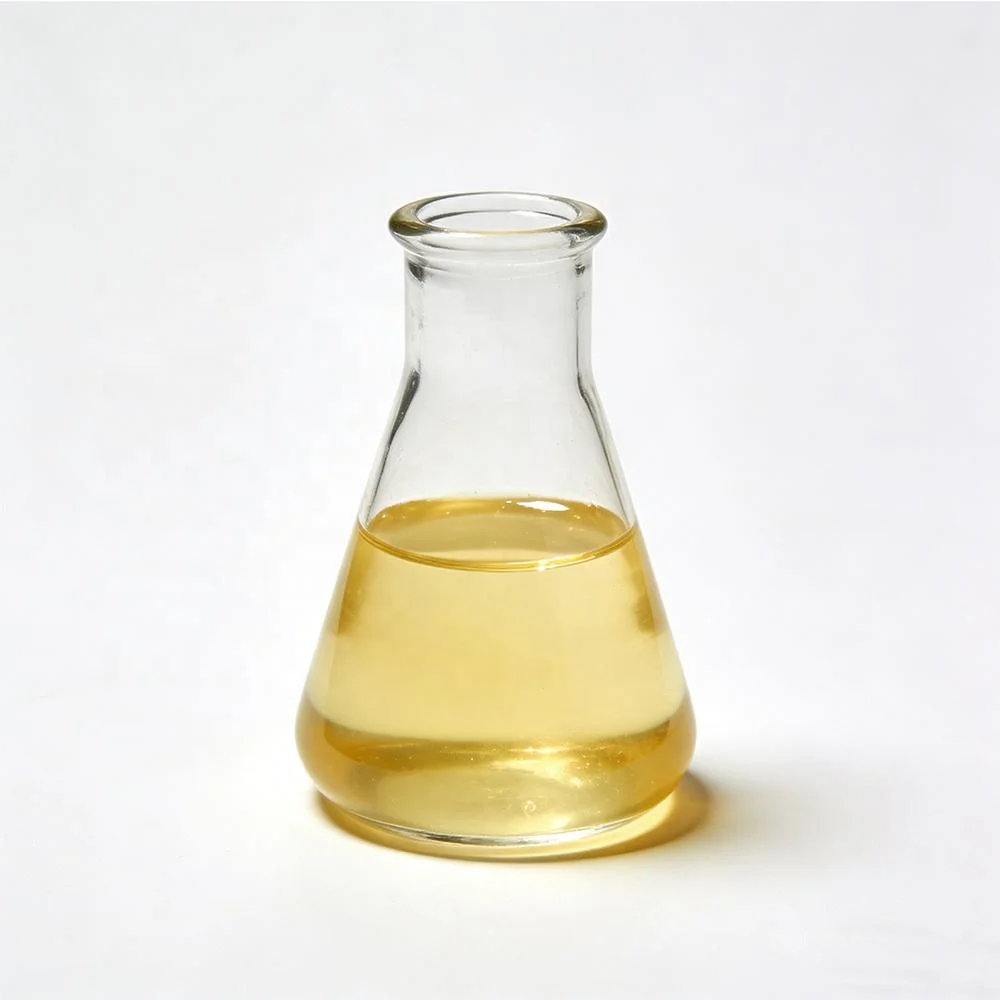
Caprylic/capric triglyceride, commonly known as MCT oil, is a mixed triglyceride derived from coconut oil and palm kernel oil. It consists mainly of medium-chain fatty acids, specifically caprylic acid (C8) and capric acid (C10). This lightweight oil is known for its emollient properties, making it a popular ingredient in personal care and cosmetic formulations.
| Chemical composition | Caprylic acid and capric acid triglycerides |
| Appearance | Clear to pale yellow liquid |
| Odor | Mild, characteristic odor |
| Solubility | Soluble in oils, insoluble in water |
| Melting point | Liquid at room temperature |
| Viscosity | Low viscosity |
When selecting caprylic/capric triglyceride, consider the source of the oil, as it can be derived from either coconut or palm oil. Check for any certifications such as organic or non-GMO if these are important for your product. Additionally, specify the desired viscosity and purity levels, as these can vary between suppliers. Quantities may also influence pricing, so be prepared to discuss your volume needs when requesting a quote.
Get quotes for Caprylic/capric triglyceride (MCT oil)
Tell us your requirement — quantity, specs and timeline — and our team sources verified manufacturers and brings you the best quote.
MCT oil is primarily used as an emollient and skin conditioning agent.
Yes, it is generally well-tolerated and suitable for sensitive skin.
Yes, MCT oil is also used in food applications, but specifications for cosmetic use may differ.
It helps to moisturize the skin, improve texture, and enhance the absorption of other ingredients.
Store in a cool, dry place away from direct sunlight to maintain its quality.
Yes, MCT oil derived from coconut is considered vegan.