Loading…

Product type
Cast iron casting is a process used to create metal parts by pouring molten cast iron into a mold. This material is known for its excellent fluidity, castability, and wear resistance, making it ideal for complex shapes and intricate designs. Cast iron is primarily composed of iron, carbon, and silicon, and it is typically used in applications where durability and strength are essential.
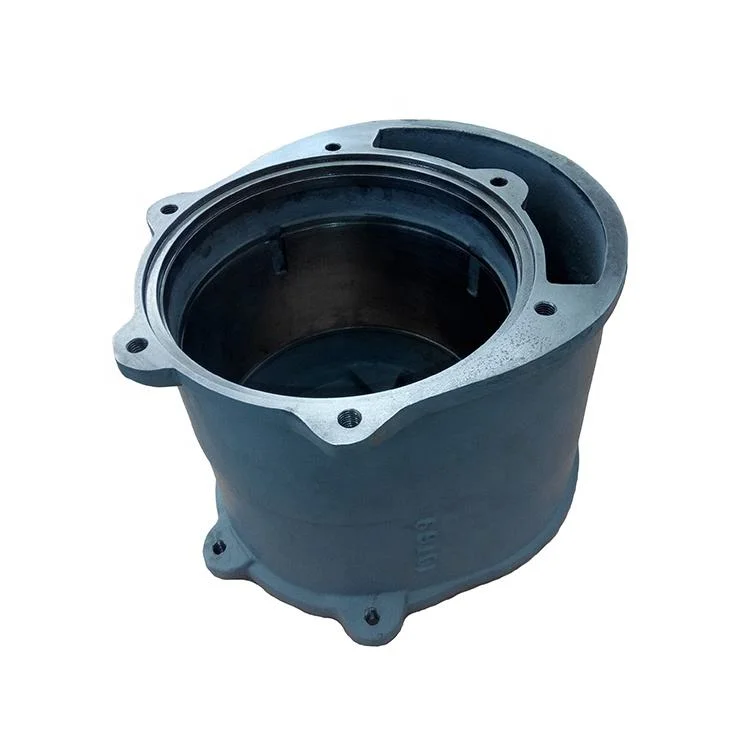
| Material Composition | Iron, carbon, and silicon |
| Casting Process | Sand casting, shell molding, or die casting |
| Typical Wall Thickness | 5 mm to 50 mm |
| Density | 6.5 to 7.8 g/cm³ |
| Tensile Strength | 200 to 500 MPa |
| Common Grades | Gray iron, ductile iron, and white iron |
When selecting cast iron castings, buyers should consider the specific grade of cast iron required for their application, as different grades offer varying properties such as strength and ductility. It's also important to specify tolerances and surface finishes based on the intended use. Certifications may be necessary for certain industries, so inquire about compliance with relevant standards. Additionally, consider the quantity needed for production runs to ensure cost-effectiveness.
Get quotes for Cast Iron Casting
Tell us your requirement — quantity, specs and timeline — and our team sources verified manufacturers and brings you the best quote.
The main types include gray iron, ductile iron, and white iron, each with unique properties.
Common industries include automotive, construction, and manufacturing.
Yes, cast iron is highly recyclable and can be melted down and reused.
Lead times can vary but typically range from a few weeks to several months depending on complexity and quantity.
Yes, many suppliers offer custom sizes and shapes based on specific requirements.
Ductile iron has higher tensile strength and ductility compared to gray iron, which is more brittle.