Loading…

Product type
PLA bottles are a type of rigid packaging made from polylactic acid, a biodegradable and compostable thermoplastic derived from renewable resources like corn starch or sugarcane. These bottles are designed to provide a sustainable alternative to traditional petroleum-based plastic bottles, offering similar performance characteristics such as durability and clarity. They are typically used for packaging beverages, personal care products, and other consumer goods, appealing to environmentally conscious brands and consumers.
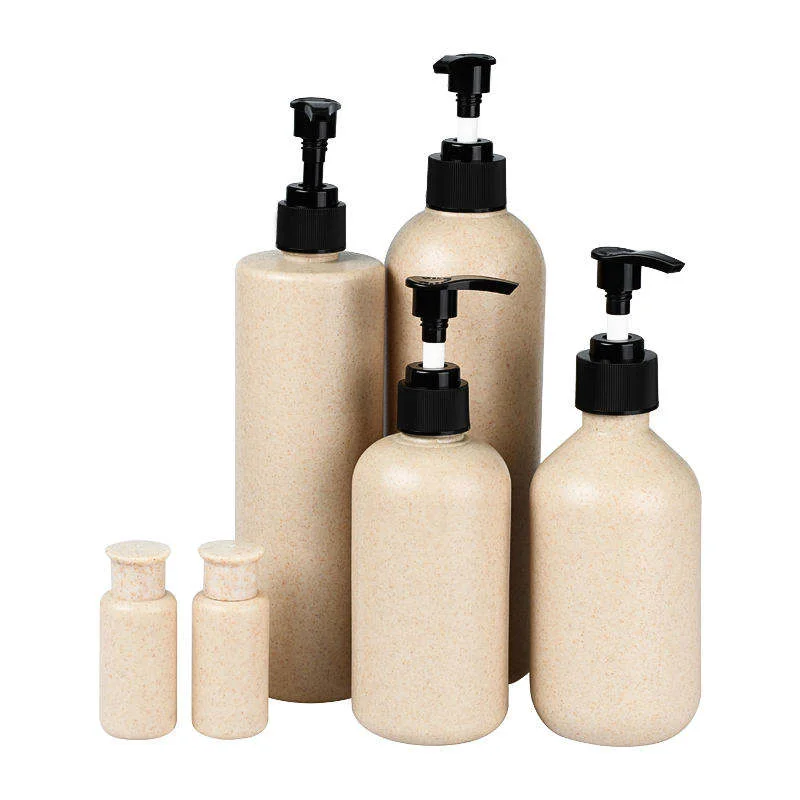
| Material | Polylactic acid (PLA) |
| Capacity range | 100 ml to 5 liters |
| Color options | Clear, opaque, and custom colors |
| Closure types | Screw caps, flip tops, and pump dispensers |
| Temperature resistance | Up to 60°C |
| Biodegradability | Compostable under industrial conditions |
When choosing PLA bottles, consider the intended use and compatibility with the contents, as well as the required capacity and closure type. It's important to specify the desired color and any custom branding needs. Additionally, inquire about the biodegradability certifications and whether the bottles meet relevant industry standards for safety and performance. Quantities may vary based on your production needs, so be clear about your order size when requesting a quote.
Get quotes for PLA bottles
Tell us your requirement — quantity, specs and timeline — and our team sources verified manufacturers and brings you the best quote.
PLA bottles are compostable but not widely recyclable in standard recycling streams.
Shelf life can vary, but typically PLA bottles should be used within 12 months for optimal performance.
PLA bottles have a temperature resistance of up to 60°C, making them unsuitable for hot liquids.
Yes, PLA bottles are generally considered safe for food contact when compliant with relevant regulations.
Store PLA bottles in a cool, dry place away from direct sunlight to maintain their integrity.
PLA bottles are made from renewable resources and are compostable, reducing reliance on fossil fuels and plastic waste.