Loading…

Subcategory
The Prosthetics category encompasses a range of artificial devices designed to replace missing limbs or body parts, enhancing mobility and functionality for individuals with disabilities. This category includes various types of prosthetic limbs, sockets, and accessories tailored to meet the needs of users. Industries that typically source prosthetics include healthcare facilities, rehabilitation centers, and specialized medical suppliers.
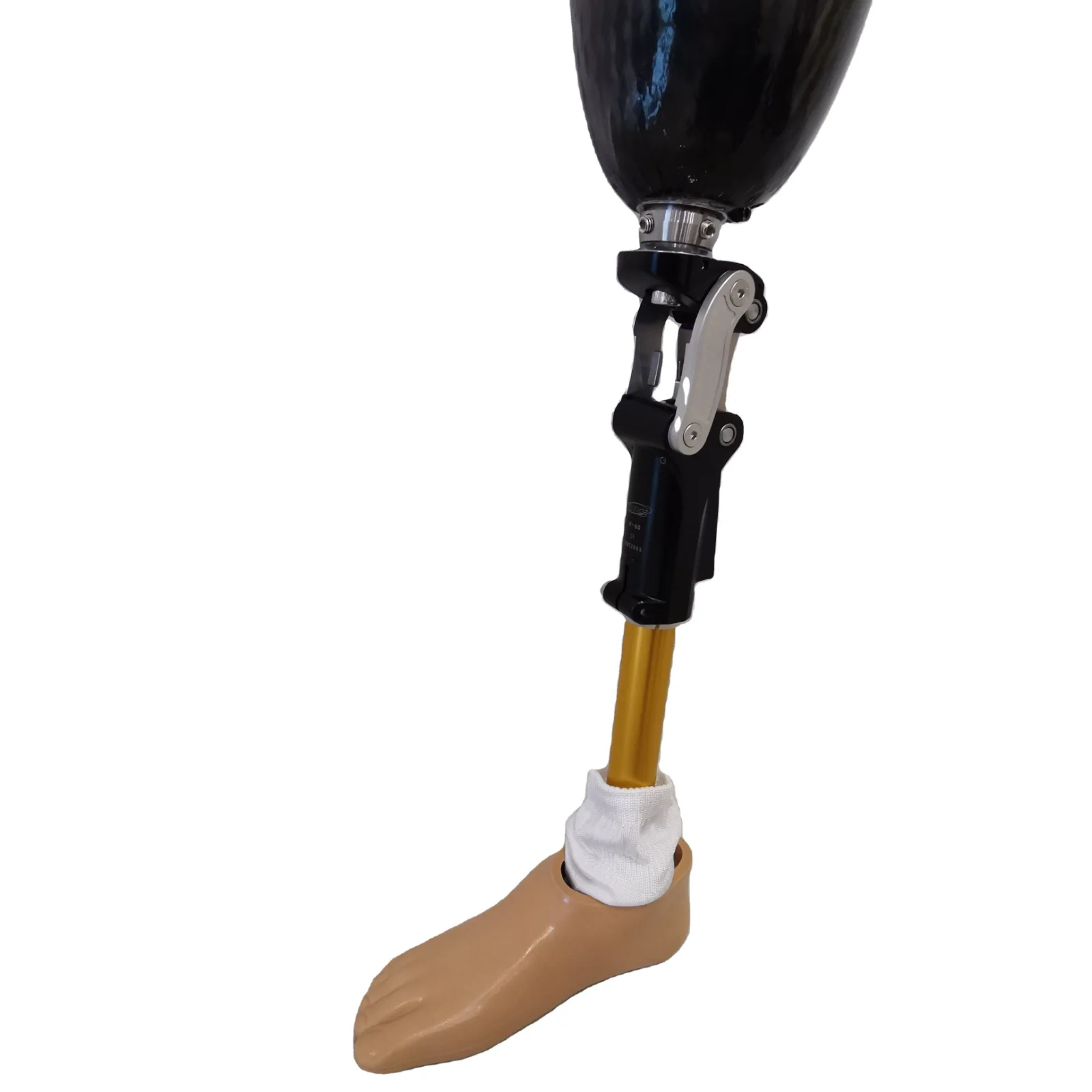
When sourcing prosthetics, buyers should compare the types of materials used, the level of customization available, and the specific needs of the end user. It is important to specify details such as the intended use, weight requirements, and any necessary adjustments for comfort. Common quality considerations include adherence to medical standards and certifications, as well as the durability and functionality of the devices.
Prosthetics can include upper and lower limb devices, cosmetic prosthetics, and functional prosthetics for various activities.
Consider factors such as the level of amputation, lifestyle needs, and comfort when selecting a prosthetic.
Common materials include lightweight plastics, carbon fiber, and silicone, each chosen for their specific properties.
Yes, many prosthetic devices can be customized for fit, function, and aesthetic preferences.
Prosthetics must comply with medical device regulations and standards set by relevant health authorities.
Look for certifications, user reviews, and recommendations from healthcare professionals when assessing quality.
The lifespan can vary widely based on usage and materials, but many prosthetics last several years with proper care.
Proper fitting is crucial for comfort, functionality, and preventing complications such as skin irritation.
Sourcing something in Prosthetics?
Tell us your requirement and our team brings you quotes from verified manufacturers.