Loading…

Product type
UV filters are chemical compounds used in personal care and cosmetic products to absorb or reflect ultraviolet (UV) radiation from the sun. They are typically formulated from organic or inorganic materials, which can include compounds like avobenzone, octocrylene, and titanium dioxide. These filters help protect the skin from sunburn and long-term damage, making them essential in sunscreens and other skincare formulations.
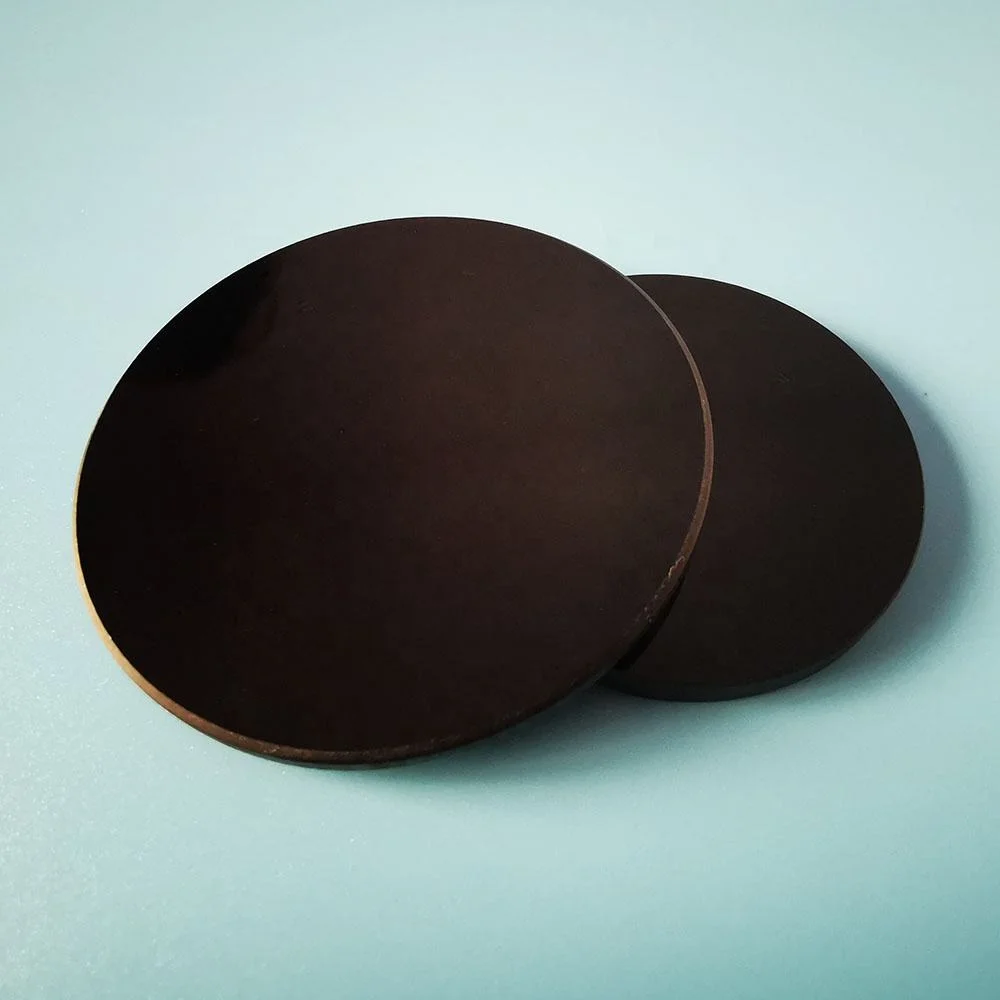
| Chemical types | Organic and inorganic compounds |
| UV protection spectrum | UVA and UVB protection |
| Formulation types | Oil-based, water-based, and emulsions |
| Typical concentration range | 1% to 20% in formulations |
| Regulatory approvals | Varies by region (e.g., FDA, EU regulations) |
When selecting UV filters, consider the specific protection needs based on the product's intended use. Buyers should specify the desired UV spectrum coverage (UVA, UVB), the formulation type (e.g., oil-based or water-based), and any regulatory compliance requirements. It's also important to indicate the quantity needed, as larger orders may qualify for bulk pricing.
Get quotes for UV Filters
Tell us your requirement — quantity, specs and timeline — and our team sources verified manufacturers and brings you the best quote.
The main types are organic filters, which absorb UV radiation, and inorganic filters, which reflect it.
Most UV filters are considered safe for topical use, but it's important to check for any specific skin sensitivities.
Check the ingredient list on the product packaging for terms like 'sunscreen' or specific filter names.
UVA rays penetrate deeper into the skin and are associated with aging, while UVB rays are primarily responsible for sunburn.
Yes, UV filters can be used in various cosmetic formulations, but their effectiveness may vary based on the product type.
UV filters should be stored in a cool, dry place away from direct sunlight to maintain their effectiveness.