Loading…

Product type
Cumene, also known as isopropylbenzene, is an organic compound classified as an aromatic hydrocarbon. It is primarily produced from the alkylation of benzene with propylene in the presence of an acid catalyst. Cumene is a colorless liquid with a distinctive odor and is used extensively in the chemical industry. It serves as a precursor to phenol and acetone, making it a vital intermediate in the production of various chemical products.
| Chemical formula | C9H10 |
| Molecular weight | 118.16 g/mol |
| Boiling point | 152.4 °C |
| Density | 0.802 g/cm³ |
| Flash point | 30 °C |
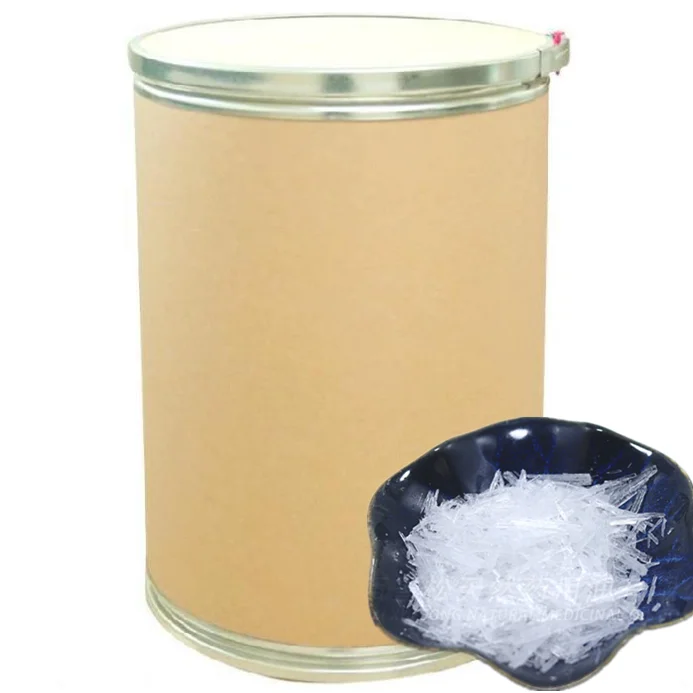
When purchasing cumene, buyers should consider the purity level required for their specific applications, as well as any necessary certifications for safety and environmental compliance. It is also important to specify the desired quantity and packaging options, as cumene is typically supplied in bulk or in drums. Buyers may want to inquire about the availability of different grades and any relevant safety data sheets.
Get quotes for Cumene
Tell us your requirement — quantity, specs and timeline — and our team sources verified manufacturers and brings you the best quote.
Cumene is primarily used in the production of phenol and acetone, as well as serving as a solvent and chemical intermediate.
Yes, cumene is flammable and can be harmful if inhaled or ingested. Proper safety precautions should be taken.
Commercial cumene typically has a purity of 99% or higher, depending on the supplier.
Cumene is produced through the alkylation of benzene with propylene using an acid catalyst.
Cumene should be stored in a cool, well-ventilated area away from sources of ignition and incompatible materials.
Yes, cumene can be used as an additive in fuel formulations to improve performance.