Loading…

Subcategory
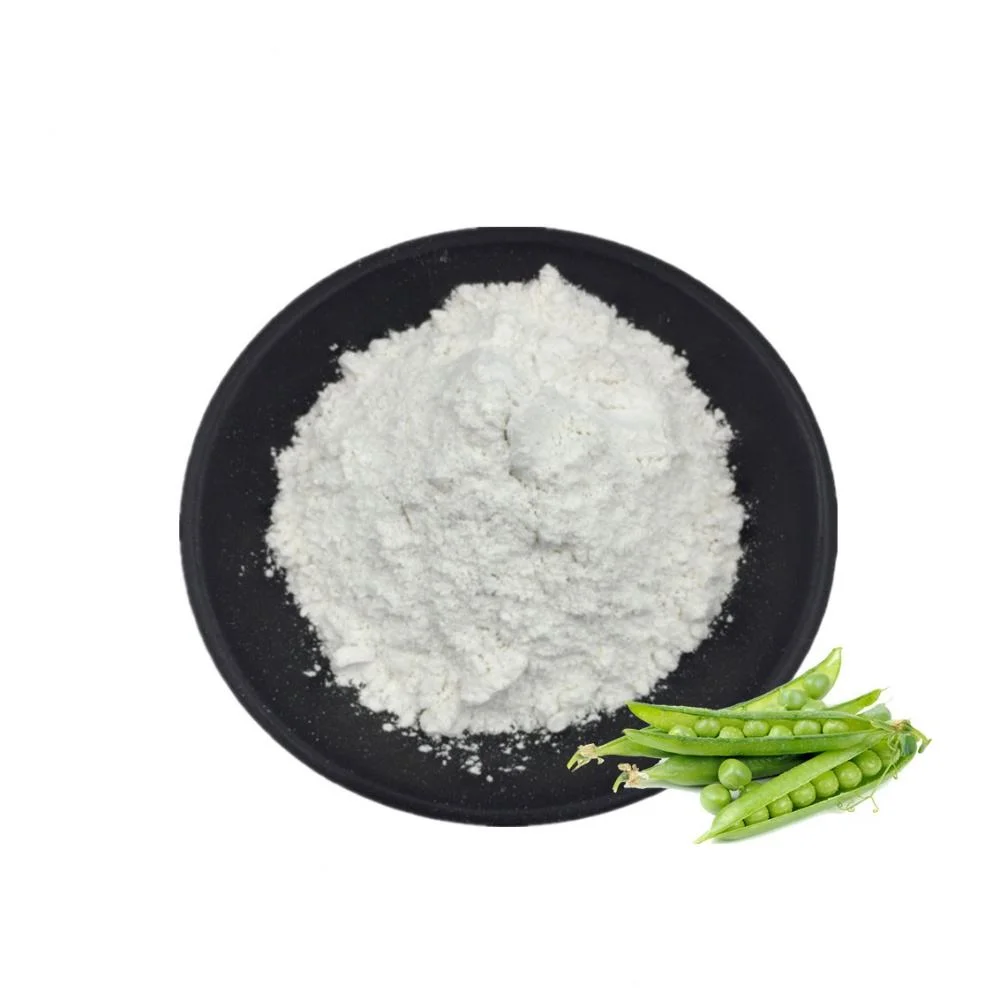
The Plant Proteins category encompasses a variety of protein sources derived from plants, including legumes, grains, nuts, and seeds. Key product groups within this category include textured vegetable protein, pea protein, soy protein, and rice protein. Industries such as food manufacturing, dietary supplements, and health foods often source plant proteins to meet the growing demand for plant-based nutrition and alternative protein sources.
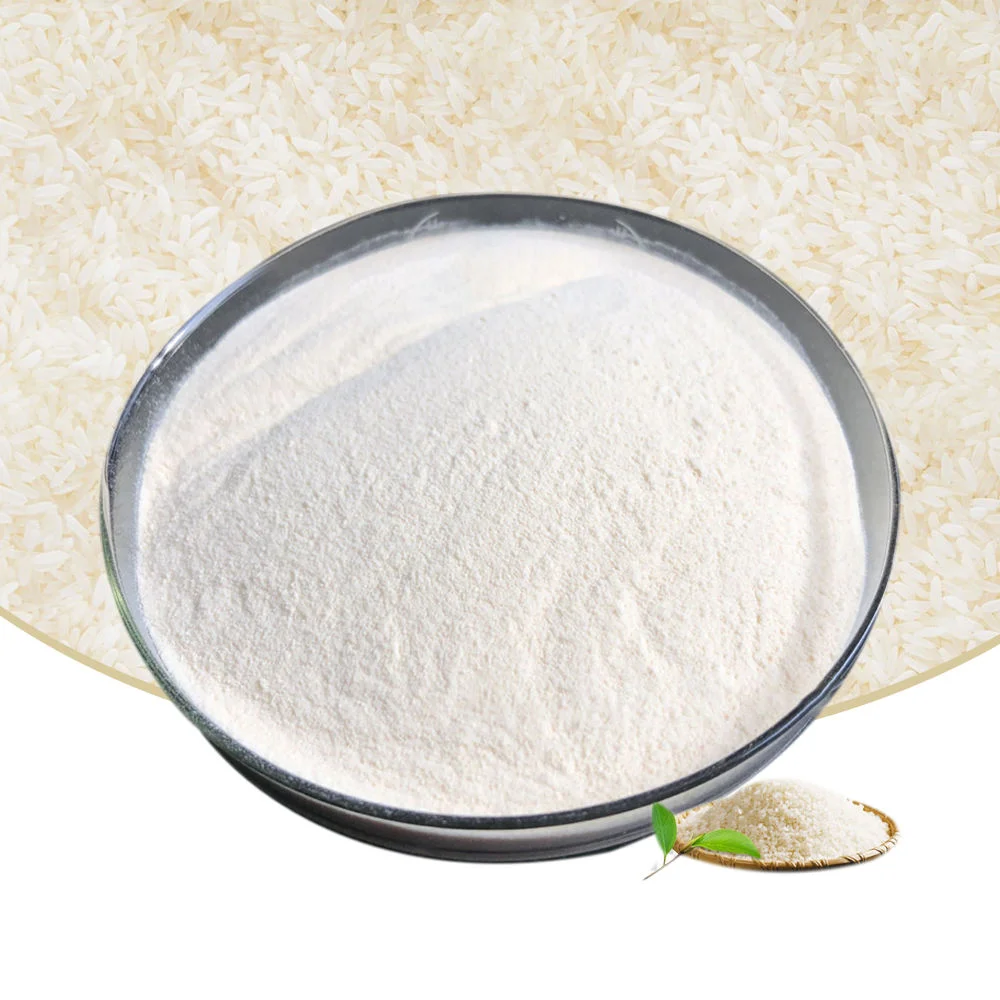
When sourcing plant proteins, buyers should compare the protein content, amino acid profile, and allergen information of different products. It is important to specify the intended application, such as for food products or supplements, in inquiries. Common quality considerations include sourcing practices, certifications such as non-GMO or organic, and compliance with food safety standards.
Main sources include legumes, grains, nuts, and seeds.
Look for certifications, protein content, and amino acid profiles.
Most plant proteins are suitable for vegan and vegetarian diets, but check for allergens.
They can be used in food products, supplements, and health foods.
Request documentation and certifications from suppliers regarding safety standards.
Specify the type of protein, intended use, and any quality certifications required.
Yes, many plant proteins can enhance the nutritional profile of baked goods.
Shelf life varies by product; check with suppliers for specific information.
Sourcing something in Plant Proteins?
Tell us your requirement and our team brings you quotes from verified manufacturers.