Loading…

Product type
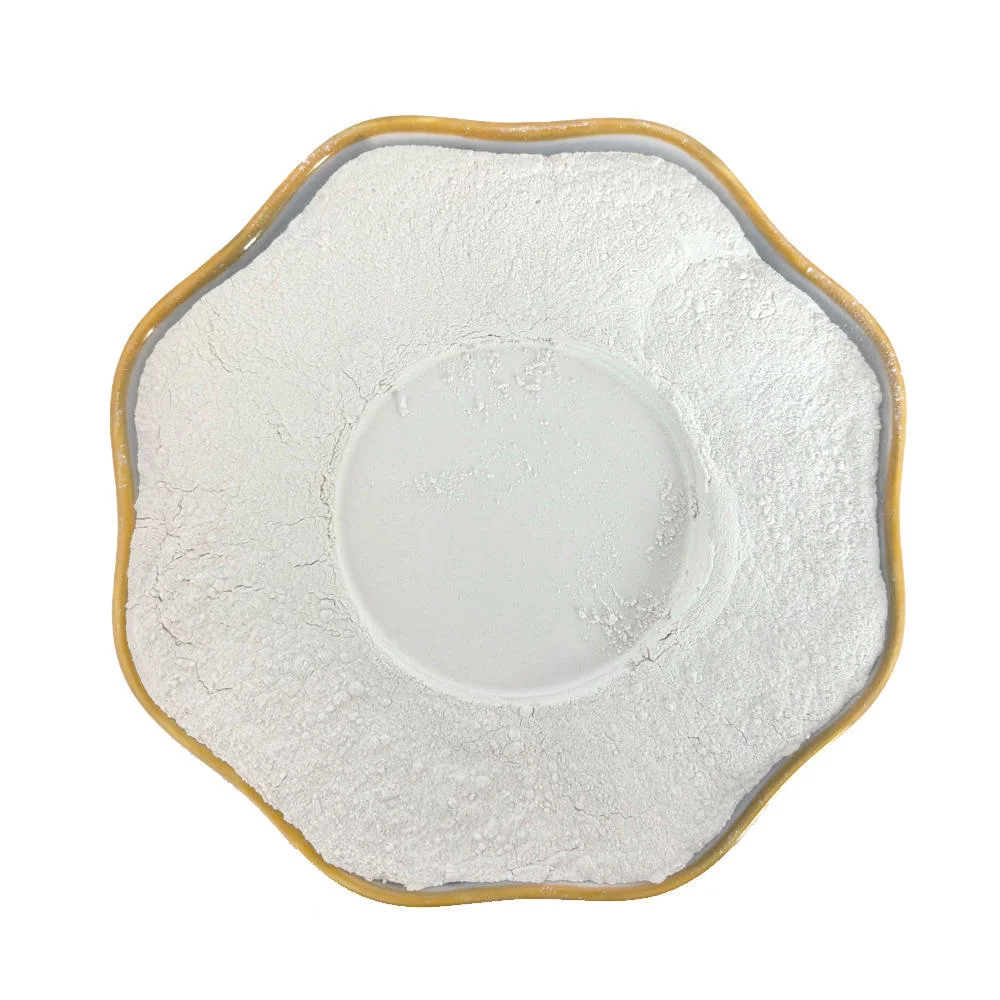
Bentonite drilling mud is a type of drilling fluid made primarily from bentonite clay, which is a natural clay formed from volcanic ash. This drilling mud is used in various drilling applications, particularly in the oil and gas industry, to facilitate the drilling process by providing lubrication, cooling, and stabilization of the borehole. Its unique properties allow it to form a thick, viscous fluid that can carry rock cuttings to the surface and prevent the collapse of the wellbore.
| Composition | Primarily sodium or calcium bentonite |
| Viscosity | Typically ranges from 30 to 70 seconds on a Marsh funnel |
| Density | Commonly between 8.5 to 10.5 ppg (pounds per gallon) |
| pH level | Usually between 7 and 10 |
| Water content | Generally 20% to 40% by weight |
When selecting bentonite drilling mud, buyers should consider the specific type of bentonite required, such as sodium or calcium bentonite, depending on the application. It's also important to specify the desired viscosity and density to ensure optimal performance in the drilling process. Certifications related to environmental safety and quality control may be relevant, and buyers should inquire about the availability of technical data sheets and material safety data sheets. Quantities can vary based on project scope, so clear communication regarding expected usage is essential.
Get quotes for Bentonite Drilling Mud
Tell us your requirement — quantity, specs and timeline — and our team sources verified manufacturers and brings you the best quote.
It is primarily used as a drilling fluid in oil and gas exploration to stabilize boreholes.
It provides lubrication, carries cuttings to the surface, and prevents wellbore collapse.
The two main types are sodium bentonite and calcium bentonite.
Yes, it can often be recycled and reused after proper treatment.
Factors include the concentration of bentonite, water content, and additives used.
Generally, it is considered safe, but specific environmental regulations should be followed.