Loading…

Product type
Chiral compounds are molecules that have non-superimposable mirror images, much like left and right hands. This property arises from the presence of a chiral center, typically a carbon atom bonded to four different substituents. Chiral compounds are crucial in various chemical applications, particularly in the production of pharmaceuticals, where the specific orientation of atoms can significantly affect a drug's efficacy and safety.
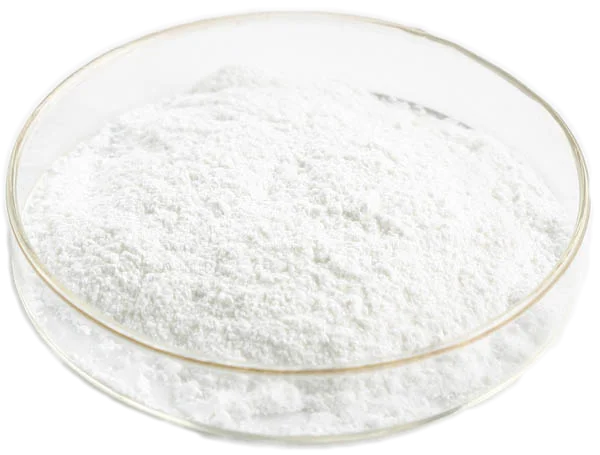
| Molecular weight range | 100 to 500 g/mol |
| Purity levels | Typically 95% to 99% purity |
| Solubility | Varies; often soluble in organic solvents |
| Chirality type | Enantiomers and diastereomers |
| Synthesis methods | Asymmetric synthesis, resolution of racemates |
When selecting chiral compounds, buyers should consider the specific application and required purity levels. It is important to specify the desired enantiomeric excess, as well as any relevant synthesis methods. Buyers should also inquire about the availability of certificates of analysis and compliance with regulatory standards, especially for pharmaceutical applications. Quantities may vary based on project needs, so clear communication of requirements is essential.
Get quotes for Chiral Compounds
Tell us your requirement — quantity, specs and timeline — and our team sources verified manufacturers and brings you the best quote.
Chiral compounds are primarily used in pharmaceuticals, agrochemicals, and specialty chemicals.
They can be synthesized through asymmetric synthesis or by resolving racemic mixtures.
Enantiomeric excess is a measure of the purity of one enantiomer over the other in a chiral compound.
Safety depends on the specific compound; always refer to safety data sheets for handling instructions.
Purity levels typically range from 95% to 99%.
Yes, they should be stored according to their specific chemical properties, often in cool, dry conditions.