Loading…

Product type
Indigo is a natural dye derived from the leaves of the indigo plant, primarily used in the textile industry for dyeing fabrics, especially cotton. It is known for its deep blue color and has been utilized for centuries in various cultures. Indigo is classified as a vat dye, which means it is applied to fabrics in a water-soluble form and then oxidized to develop its characteristic hue.
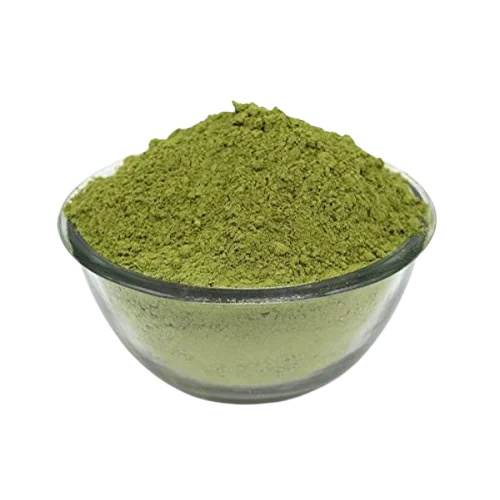
| Chemical formula | C16H10N2O2 |
| Color index number | CI 73000 |
| Solubility | Insoluble in water, soluble in alkali |
| Lightfastness | Good to excellent |
| Application method | Vat dyeing process |
When purchasing indigo, consider the desired shade and application method, as these can influence the type of indigo selected. Buyers should specify the required purity level, as well as any necessary certifications for environmental compliance. Quantities can vary based on production needs, so it's important to communicate expected usage to suppliers.
Get quotes for Indigo
Tell us your requirement — quantity, specs and timeline — and our team sources verified manufacturers and brings you the best quote.
Indigo dye is derived from the leaves of the indigo plant, particularly Indigofera species.
Yes, indigo dye is generally considered safe for use in textiles, but it's important to check for certifications.
Indigo is applied using a vat dyeing process, where it is first made soluble and then oxidized on the fabric.
Indigo is primarily used on cotton but can also be used on other natural fibers.
Indigo typically has good to excellent lightfastness, meaning it resists fading when exposed to light.
Yes, indigo dye is popular for home dyeing projects, especially for denim and other cotton fabrics.