Loading…

Product type
Protease enzymes are biological catalysts that accelerate the breakdown of proteins into smaller peptides and amino acids. They are typically derived from various sources, including plants, animals, and microorganisms. Proteases play a crucial role in numerous industrial applications, particularly in the food, detergent, and pharmaceutical sectors, where they facilitate processes such as protein hydrolysis and fermentation.
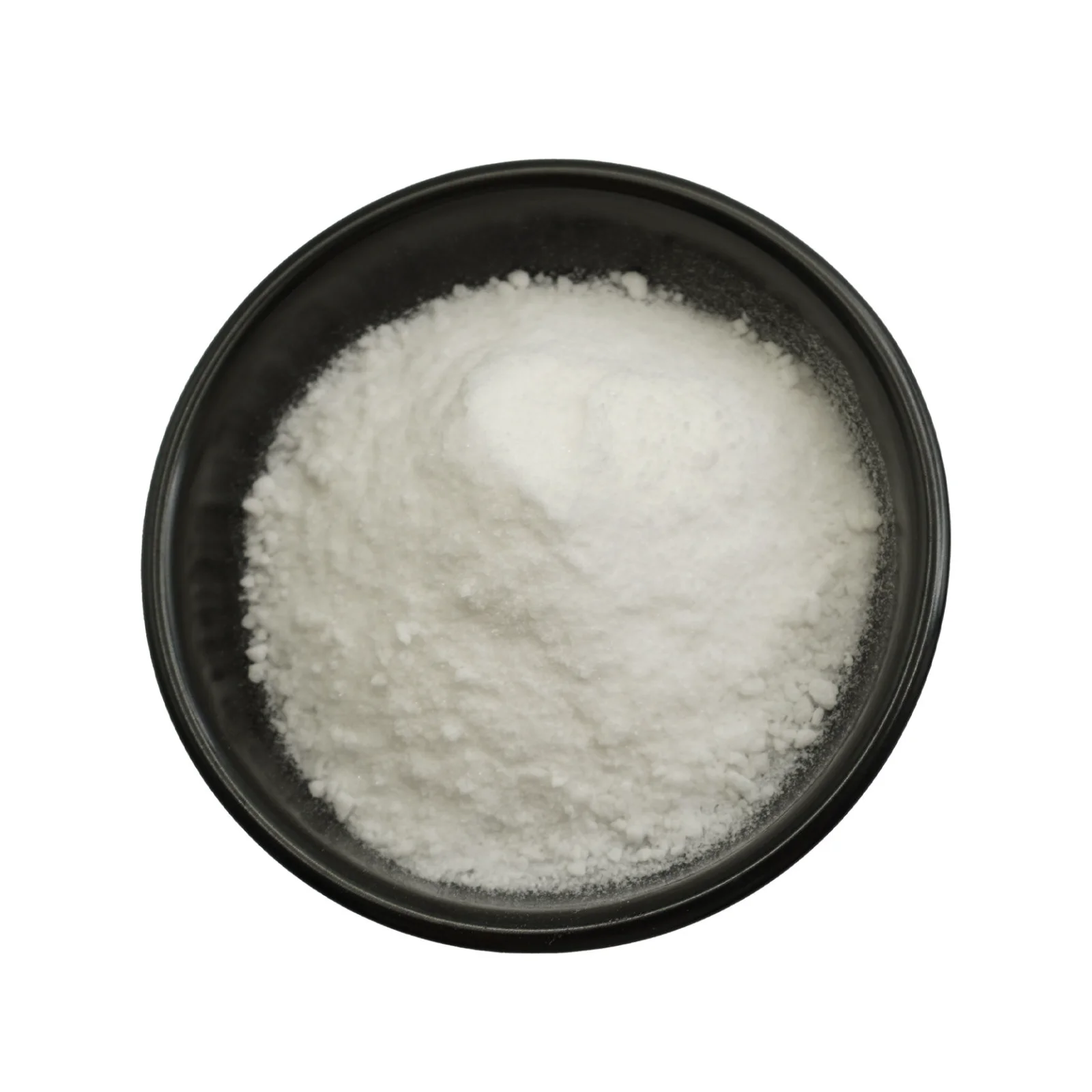
| Source | Microbial, animal, or plant-based |
| Activity units | Measured in units such as U/g or KLU/g |
| Optimal pH range | Generally between 6.0 and 9.0 |
| Optimal temperature range | Typically between 30°C and 70°C |
| Stability | Varies by formulation, often stable for several months under proper storage |
When selecting a protease enzyme, consider the source of the enzyme, as this can affect its activity and suitability for specific applications. It's important to specify the desired activity units, optimal pH, and temperature ranges for your particular use case. Additionally, inquire about stability and storage conditions, as well as any relevant certifications or quality standards that may apply to your industry.
Get quotes for Protease Enzyme
Tell us your requirement — quantity, specs and timeline — and our team sources verified manufacturers and brings you the best quote.
They are used in food processing, detergents, pharmaceuticals, and more.
Consider the source, activity units, and application requirements.
Yes, many proteases are safe and approved for food use.
Shelf life varies; typically several months if stored properly.
Some proteases are effective at lower temperatures, but check specifications.
Yes, they should be stored in cool, dry conditions to maintain activity.