Loading…

Subcategory
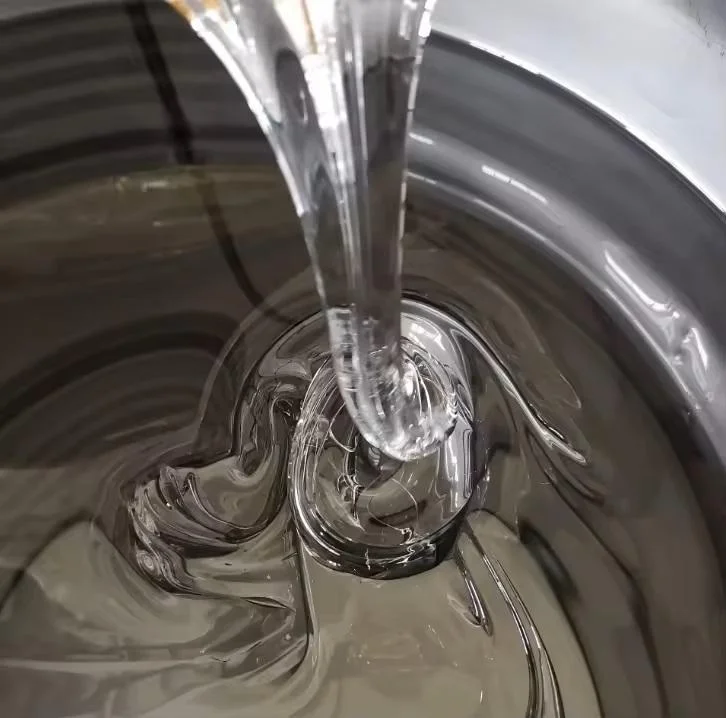
The Thermosets category encompasses a range of polymer materials that undergo a chemical change when cured, resulting in a rigid structure that cannot be remolded. Key product groups within this category include epoxy resins, phenolic resins, and polyurethane systems. Industries such as automotive, aerospace, electronics, and construction frequently source thermosetting materials for applications requiring durability and heat resistance.
When sourcing thermosets, buyers should compare properties such as thermal stability, mechanical strength, and chemical resistance. It's important to specify the intended application, desired curing methods, and any relevant industry standards in inquiries. Common quality considerations include compliance with safety regulations and certifications for specific applications, such as UL ratings or ISO standards.
Thermosets are used in applications requiring high durability, such as coatings, adhesives, and composite materials.
Thermosets undergo a permanent chemical change during curing, while thermoplastics can be remolded upon heating.
Factors include the type of resin, curing agent, temperature, and environmental conditions during application.
Some thermosets can be formulated to be more environmentally friendly, but many traditional formulations may have limited recyclability.
Look for certifications relevant to your industry, such as ISO, ASTM, or UL, which indicate compliance with quality and safety standards.
Yes, many thermosets are designed to withstand high temperatures, making them suitable for automotive and aerospace applications.
The curing process typically involves a chemical reaction initiated by heat, pressure, or a curing agent, leading to a hard, inflexible material.
Store thermosetting materials in a cool, dry place, away from direct sunlight and moisture to prevent premature curing.
Sourcing something in Thermosets?
Tell us your requirement and our team brings you quotes from verified manufacturers.