Loading…

Product type
Nodular pig iron, also known as ductile iron, is a type of iron alloy that contains a small amount of nodular graphite, which enhances its mechanical properties. This material is produced by adding a nodulizing agent, typically magnesium, during the casting process, resulting in a more ductile and impact-resistant product compared to traditional cast iron. Nodular pig iron is primarily used in the manufacturing of various castings and components that require high strength and toughness.
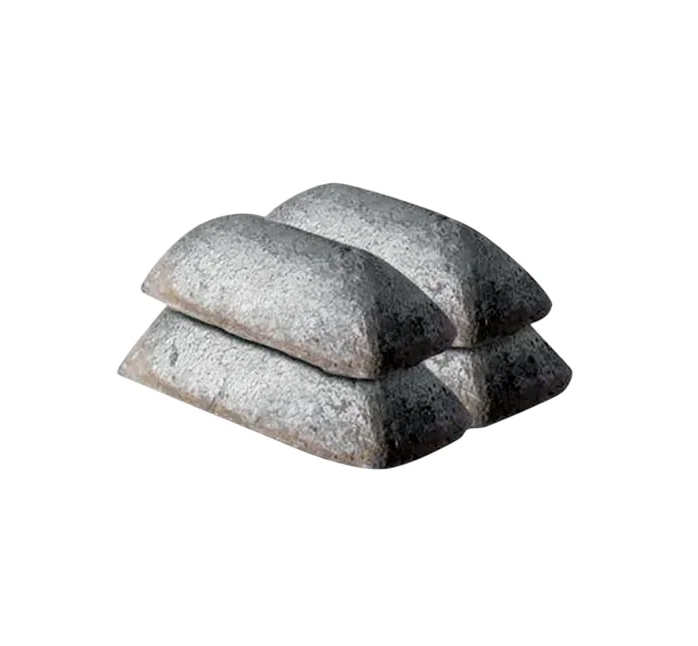
| Chemical composition | Typically contains 3.0-4.0% carbon, 2.0-3.0% silicon, and small amounts of manganese and sulfur |
| Tensile strength | Ranges from 400 to 800 MPa |
| Elongation | Typically between 5% and 20% |
| Density | Approximately 6.8 to 7.3 g/cm³ |
| Casting temperature | Usually between 1350°C and 1450°C |
When selecting nodular pig iron, buyers should consider the specific mechanical properties required for their application, such as tensile strength and elongation. It is important to specify the desired chemical composition, including carbon and silicon levels, as well as any necessary certifications for quality standards. Additionally, buyers should determine the quantity needed and any specific tolerances for their casting processes.
Get quotes for Nodular Pig Iron
Tell us your requirement — quantity, specs and timeline — and our team sources verified manufacturers and brings you the best quote.
Nodular pig iron has improved ductility and strength due to its nodular graphite structure, while gray cast iron is more brittle.
It is widely used in the automotive, machinery, and construction industries.
Yes, it can be welded, but specific welding techniques and materials may be required to ensure strong joints.
Common applications include engine blocks, gears, and various structural components.
It is produced by adding magnesium to molten iron, which transforms the graphite structure into nodules.
Benefits include high strength, ductility, and resistance to shock and wear.