Loading…

Subcategory
The Artificial Flavors category encompasses a wide range of synthetic flavoring agents used in various food and beverage applications. These products are designed to mimic natural flavors and can be found in categories such as beverages, confectionery, baked goods, and dairy products. Industries that commonly source artificial flavors include food manufacturing, beverage production, and snack food companies.
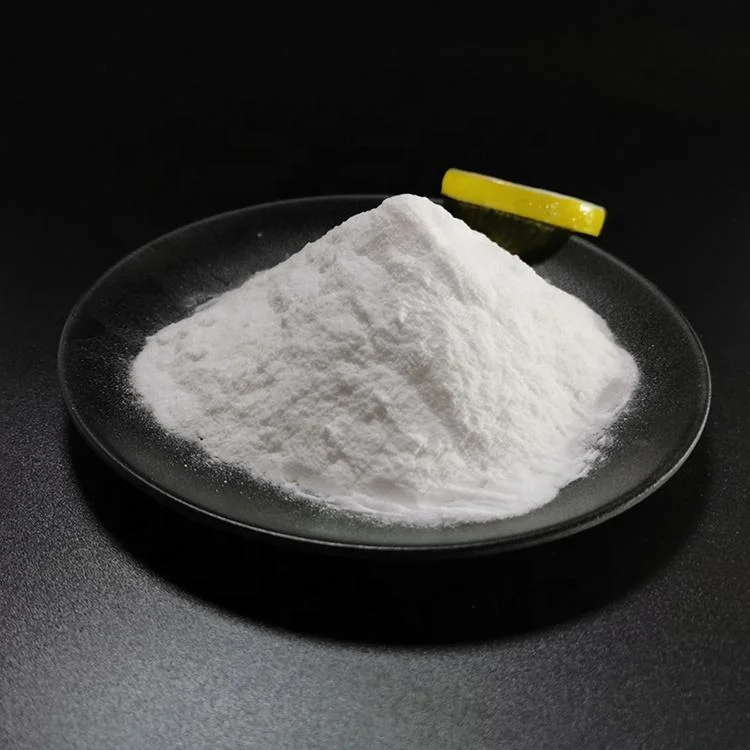
When sourcing artificial flavors, buyers should compare flavor profiles, concentration levels, and solubility to ensure compatibility with their products. It is important to specify the intended application, desired flavor strength, and any regulatory compliance requirements in inquiries. Common considerations include adherence to food safety standards and labeling regulations.
Artificial flavors are typically synthesized from chemical compounds that mimic natural flavor profiles.
Yes, artificial flavors are generally recognized as safe when used within established regulatory guidelines.
Consider the flavor profile, application, and regulatory requirements specific to your product.
No, artificial flavors cannot be used in products labeled as organic.
Artificial flavors must comply with food safety regulations set by authorities such as the FDA or EFSA.
Start by testing small amounts and adjust based on taste tests to achieve the desired flavor intensity.
Common applications include beverages, candies, baked goods, and dairy products.
Some artificial flavors may contain allergens; always check product specifications.
Source from reputable suppliers and request certificates of analysis to verify quality and compliance.
Sourcing something in Artificial Flavors?
Tell us your requirement and our team brings you quotes from verified manufacturers.