Loading…

Subcategory
The EV Batteries category encompasses a range of battery technologies specifically designed for electric vehicles. This includes lithium-ion batteries, solid-state batteries, and other emerging technologies that power electric cars, buses, and two-wheelers. Industries such as automotive, public transportation, and renewable energy are primary sources for these products, as they seek efficient and sustainable energy storage solutions.
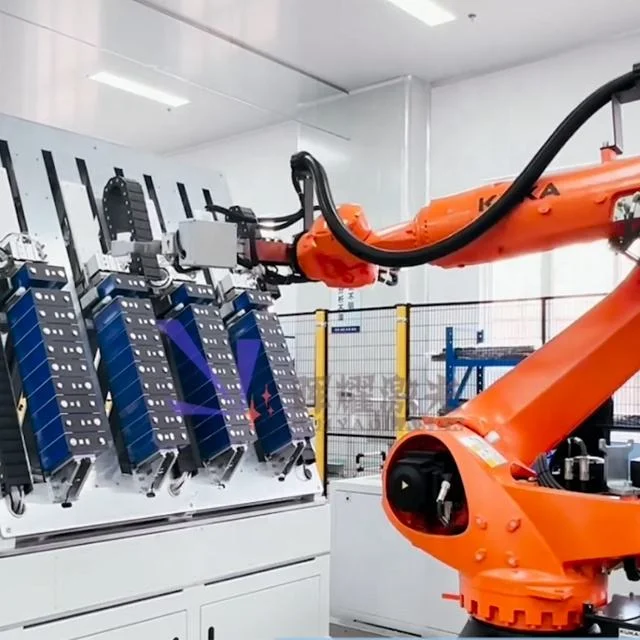
When sourcing EV batteries, buyers should compare battery chemistry, capacity, charging speed, and cycle life to ensure compatibility with their electric vehicle applications. It is important to specify the intended use, performance requirements, and any regulatory compliance needed in your inquiry. Common quality considerations include safety certifications, warranty terms, and manufacturer reputation.
Lithium-ion batteries are the most common, along with emerging technologies like solid-state batteries.
Consider the vehicle's range requirements and energy consumption to select an appropriate capacity.
Look for compliance with standards such as UN 38.3 for transport safety and ISO 26262 for functional safety.
Most EV batteries have a lifespan of 8 to 15 years, depending on usage and maintenance.
Yes, many manufacturers and third-party services offer recycling programs for used EV batteries.
Charging time is influenced by battery capacity, charger type, and current state of charge.
Extreme temperatures can reduce battery efficiency and lifespan; manufacturers often provide operating temperature ranges.
It's best to use batteries recommended by the vehicle manufacturer to ensure compatibility and safety.
Sourcing something in EV Batteries?
Tell us your requirement and our team brings you quotes from verified manufacturers.