Loading…

Subcategory
Flocculants are chemical agents used in various industries to promote the agglomeration of particles in liquids, facilitating their removal. This category includes different types of flocculants such as organic and inorganic compounds, which are essential in processes like water treatment, wastewater management, and mining operations. Industries that commonly source flocculants include municipal water treatment facilities, mining companies, and industrial wastewater processors.
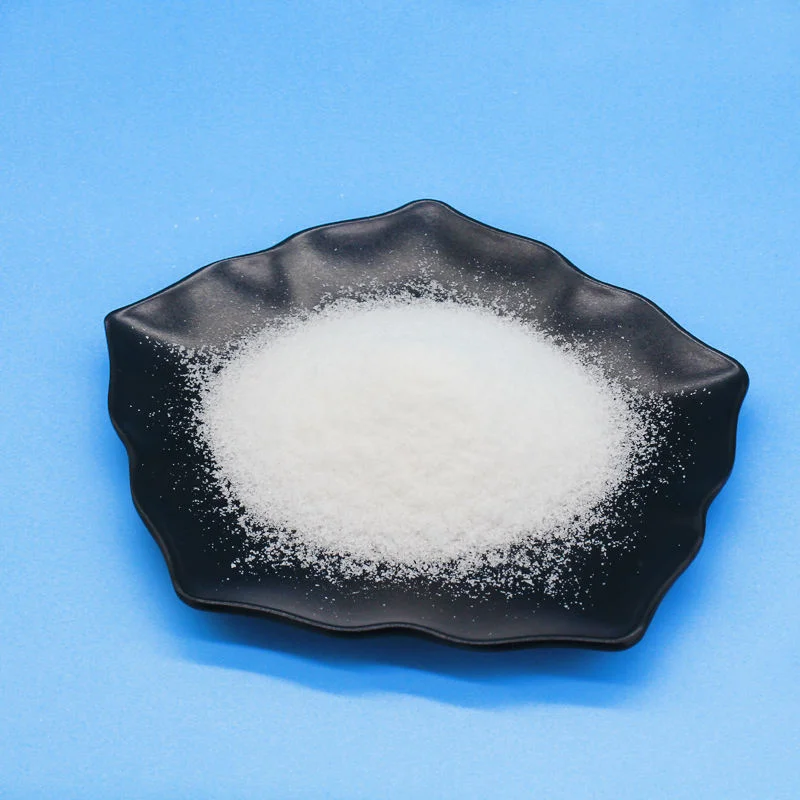
When sourcing flocculants, buyers should compare the types of flocculants available, such as anionic, cationic, and non-ionic options, based on the specific application requirements. It is important to specify the intended use, desired performance characteristics, and any regulatory compliance needs in your enquiries. Additionally, consider the supplier's certifications and quality assurance processes to ensure that the flocculants meet industry standards.
The main types of flocculants include anionic, cationic, and non-ionic flocculants, each suited for different applications.
Consider factors such as the type of particles to be removed, the pH of the solution, and the specific industry requirements.
Industries such as water treatment, wastewater management, mining, and food processing commonly use flocculants.
Yes, flocculants may be subject to environmental regulations, so it's important to verify compliance with local and international standards.
Flocculants should be stored in a cool, dry place, away from direct sunlight and moisture to maintain their effectiveness.
Dosage varies based on the application and water characteristics; it is recommended to conduct jar tests to determine the optimal amount.
Yes, but it is crucial to ensure that the flocculants used are approved for drinking water applications and meet health regulations.
Sourcing something in Flocculants?
Tell us your requirement and our team brings you quotes from verified manufacturers.