Loading…

Subcategory
Hybrid seeds are genetically engineered to enhance specific traits such as yield, disease resistance, and adaptability to various environmental conditions. This category encompasses a wide range of crops, including vegetables, grains, and fruits, providing farmers with options that can significantly improve agricultural productivity. Industries that commonly source hybrid seeds include commercial agriculture, horticulture, and food production.
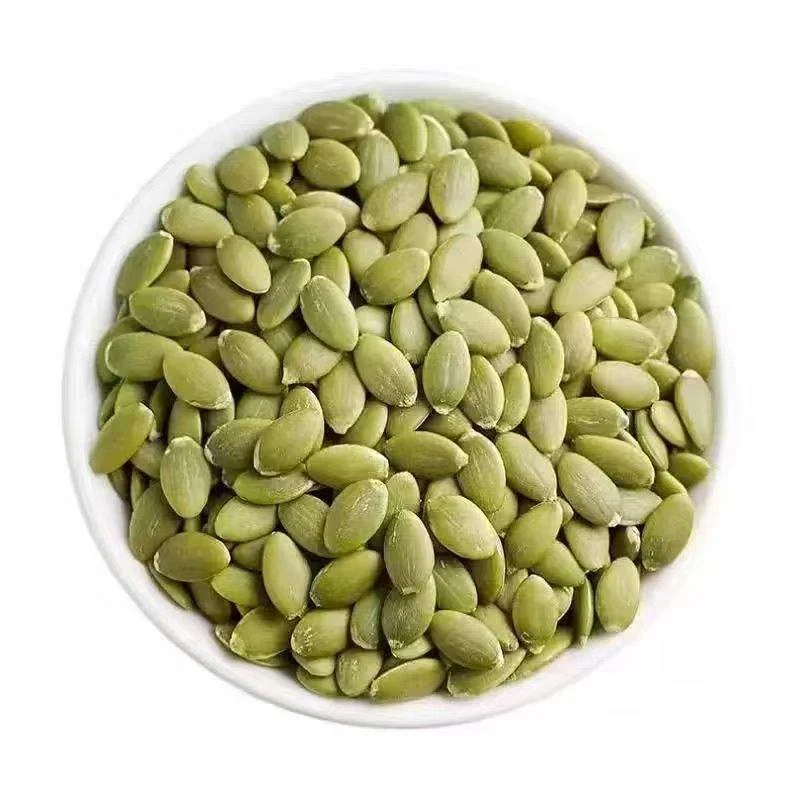
When sourcing hybrid seeds, buyers should compare traits such as germination rates, disease resistance, and yield potential. It is important to specify the crop type, desired characteristics, and any specific environmental conditions in your enquiry. Additionally, consider quality certifications and compliance with local agricultural regulations to ensure the seeds meet industry standards.
Hybrid seeds are produced by cross-breeding two different parent plants to create offspring with desirable traits.
Consider factors such as climate, soil type, and the specific traits you need, such as drought tolerance or pest resistance.
Yes, hybrid seeds often have a higher upfront cost due to their specialized breeding process, but they can lead to higher yields.
It is generally not recommended, as hybrid seeds may not produce offspring with the same traits as the parent plants.
Shelf life varies by type and storage conditions, but many hybrid seeds can remain viable for 1-3 years if stored properly.
While not always necessary, following specific planting guidelines can help maximize the potential of hybrid seeds.
Check local agricultural regulations regarding seed certification, labeling, and any restrictions on specific hybrids.
Look for seeds from reputable suppliers with quality certifications and consider seed testing for germination rates.
Sourcing something in Hybrid Seeds?
Tell us your requirement and our team brings you quotes from verified manufacturers.