Loading…

Subcategory
The Metals category encompasses a wide range of metallic materials used in various industrial applications. This includes ferrous metals such as steel and iron, as well as non-ferrous metals like aluminum, copper, and zinc. Industries such as construction, automotive, aerospace, and manufacturing frequently source these materials for their structural, conductive, and aesthetic properties.
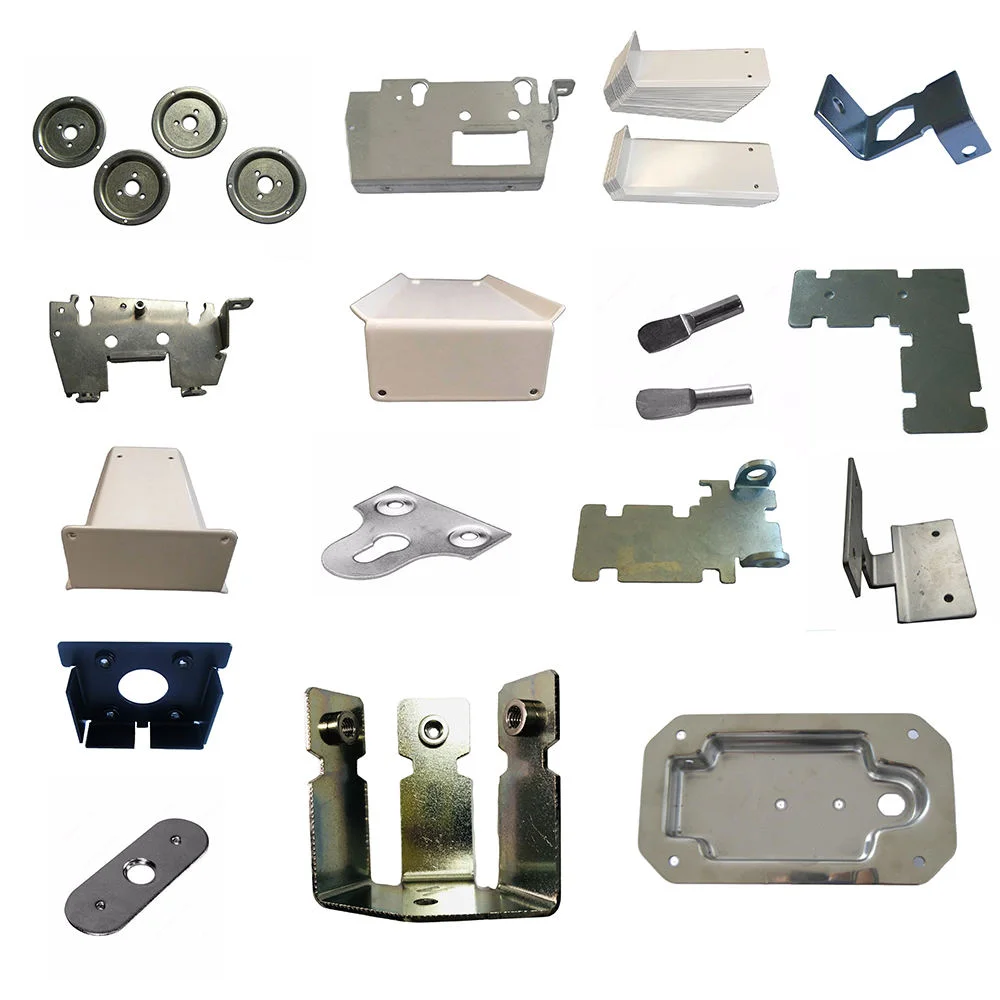
When sourcing metals, buyers should compare the types of metals based on their mechanical properties, corrosion resistance, and suitability for specific applications. It is important to specify the required grades, dimensions, and any relevant industry standards in inquiries. Additionally, buyers should consider quality certifications and compliance with environmental regulations to ensure the materials meet necessary safety and performance criteria.
Common types include ferrous metals like steel and iron, and non-ferrous metals such as aluminum, copper, and nickel.
Consider factors like strength, weight, corrosion resistance, and conductivity based on your project's requirements.
Common standards include ASTM, ISO, and SAE, which outline specifications for various metal grades and properties.
Request certifications from suppliers, such as mill test reports, and verify compliance with relevant industry standards.
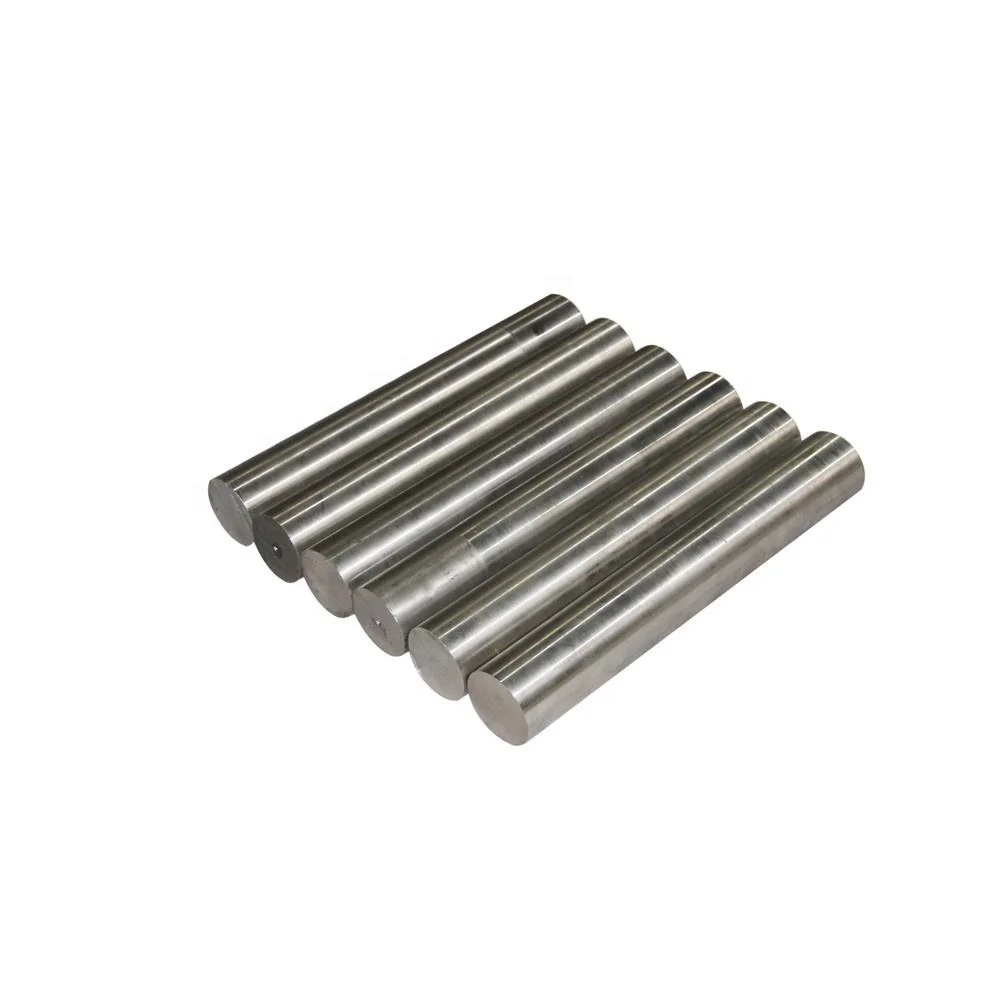
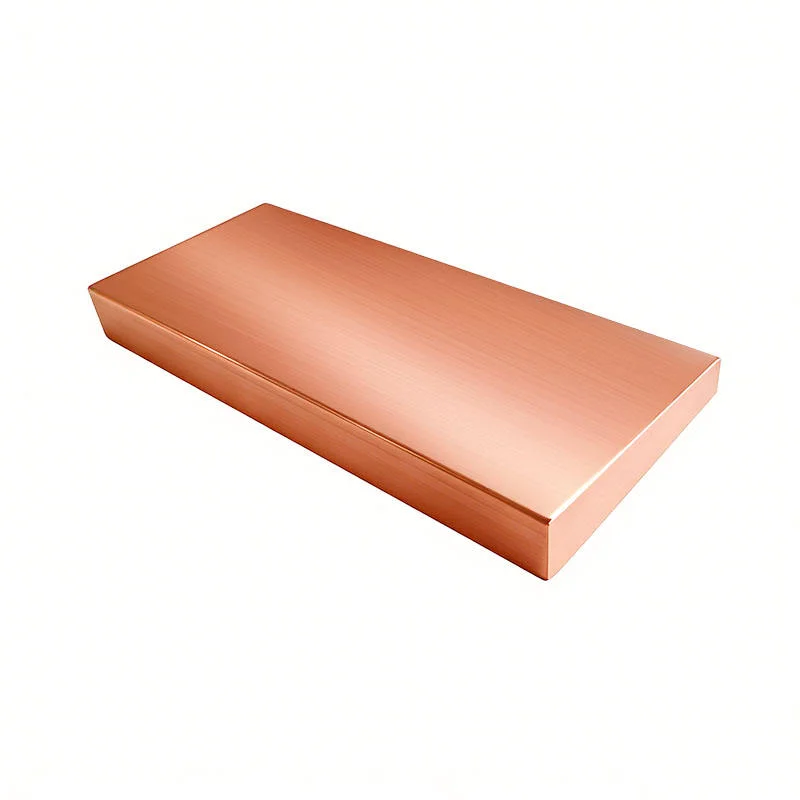
Metals are typically sold in forms such as sheets, plates, bars, rods, and coils.
Yes, consider sourcing from suppliers who follow sustainable practices and comply with regulations regarding recycling and emissions.
Lead times can vary widely based on the type of metal, quantity, and supplier capabilities, so it's best to confirm with the supplier.
Many suppliers offer customization options for sizes and alloys, but it's essential to specify your requirements upfront.
Sourcing something in Metals :?
Tell us your requirement and our team brings you quotes from verified manufacturers.