Loading…

Subcategory
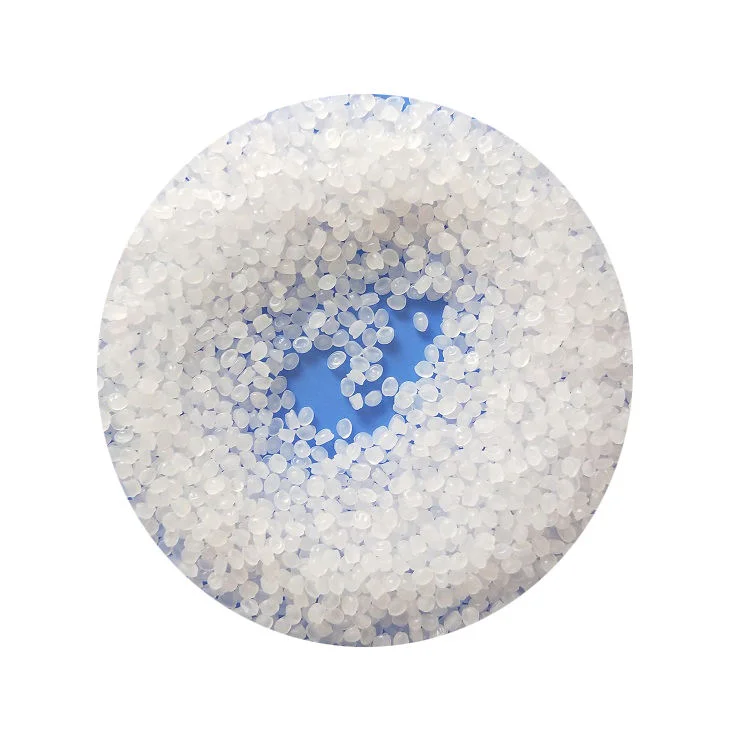
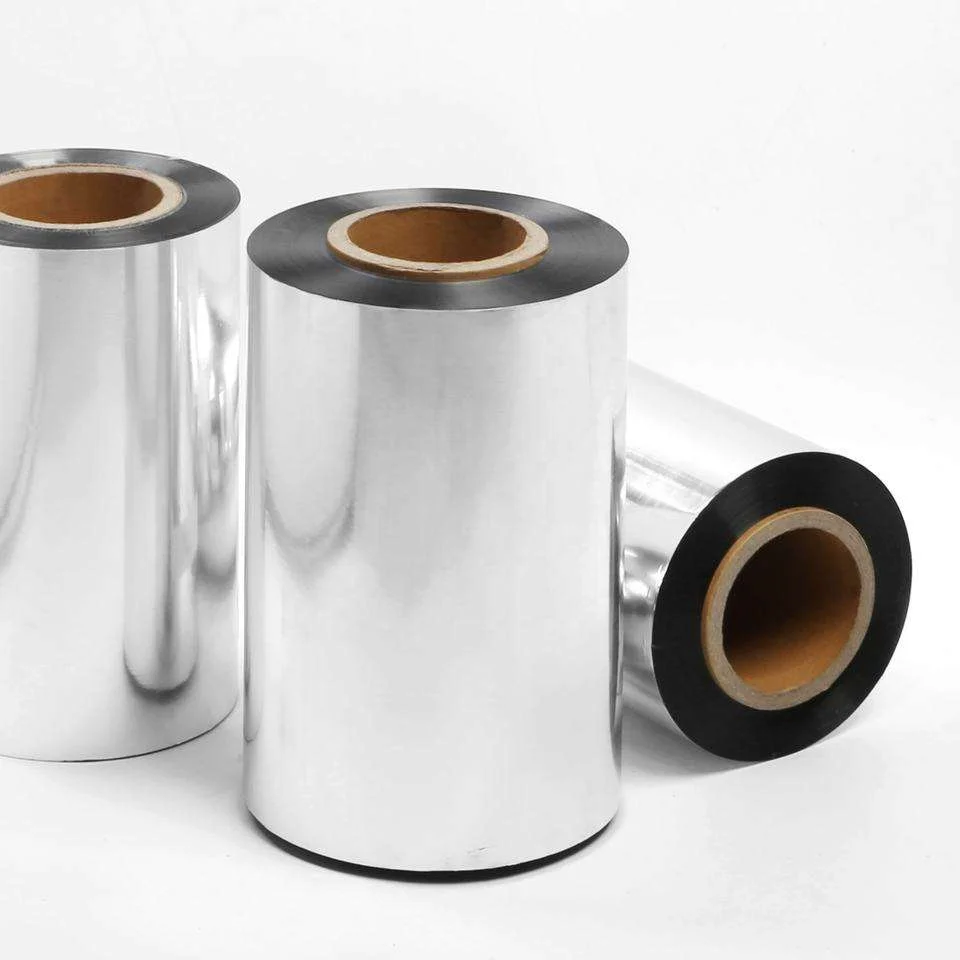
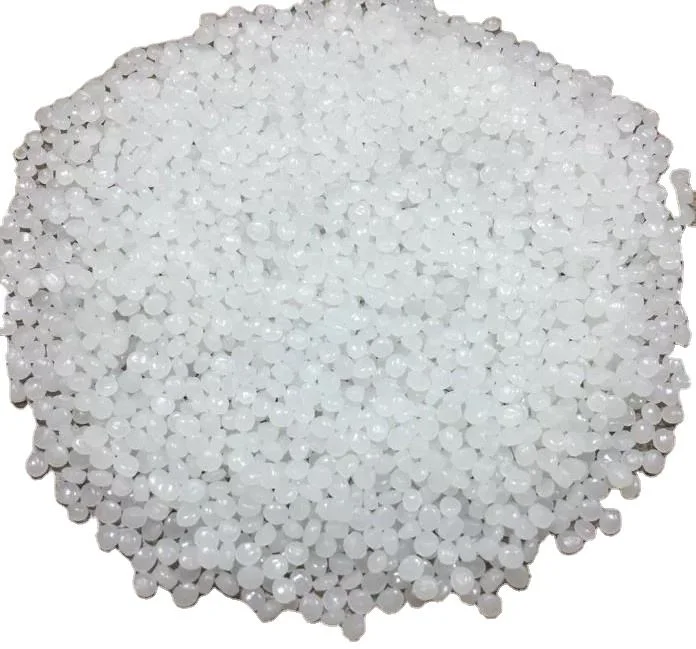
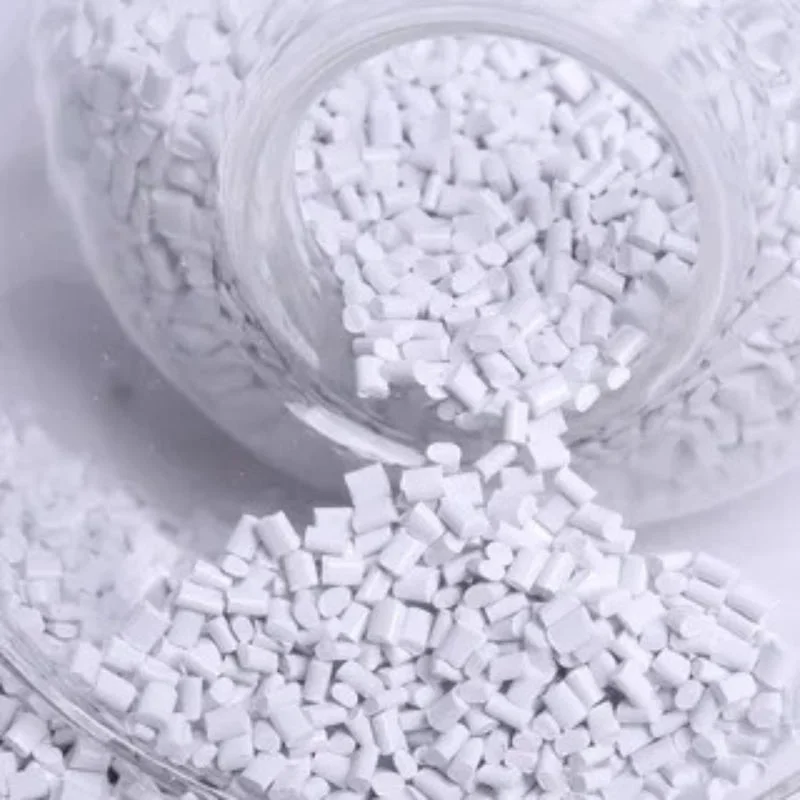
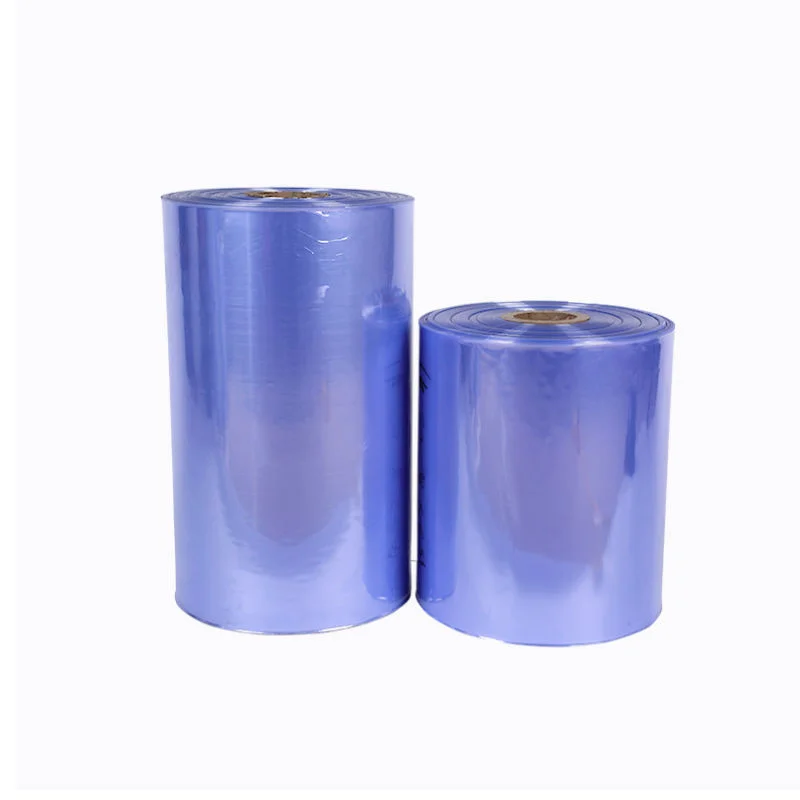
Thermoplastics are a category of polymers that become moldable upon heating and solidify upon cooling. This category encompasses various product groups including polyethylene, polypropylene, polyvinyl chloride (PVC), and polystyrene. Industries such as automotive, packaging, construction, and consumer goods frequently source thermoplastics for their versatility and durability in a wide range of applications.
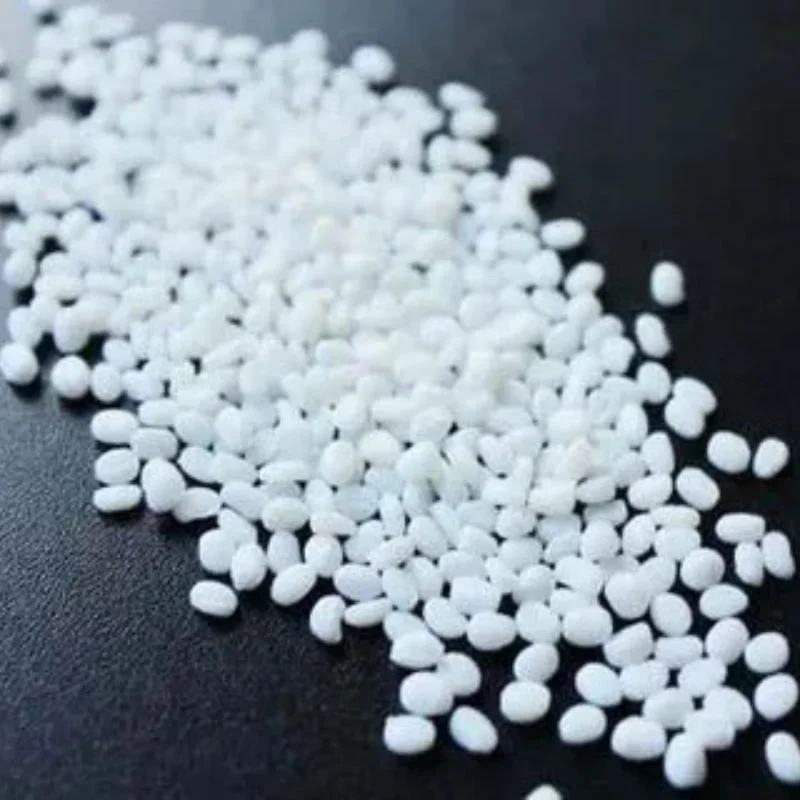
When sourcing thermoplastics, buyers should compare material properties such as tensile strength, thermal resistance, and chemical compatibility to ensure suitability for their specific applications. It is important to specify the desired grades, colors, and any regulatory compliance requirements in inquiries. Common quality considerations include adherence to industry standards, certifications, and the supplier's ability to provide consistent material performance.
The main types include polyethylene, polypropylene, PVC, polystyrene, and polycarbonate.
Consider factors like mechanical properties, thermal stability, and chemical resistance based on your specific application needs.
Industries such as automotive, packaging, construction, and consumer goods commonly use thermoplastics.
Yes, compliance may vary by application and region, including standards like REACH, RoHS, and FDA regulations for food contact.
Thermoplastics can be remolded upon heating, while thermosets harden permanently after curing and cannot be remolded.
Request material certifications, conduct supplier audits, and verify compliance with relevant industry standards.
Pricing can be influenced by raw material costs, production processes, and market demand.
Yes, many thermoplastics are recyclable, but the recycling process and acceptance can vary by type and local regulations.
Sourcing something in Thermoplastics?
Tell us your requirement and our team brings you quotes from verified manufacturers.