Loading…

Product type
Low phosphorus pig iron is a type of intermediate product derived from the smelting of iron ore in a blast furnace. It is characterized by its low phosphorus content, which enhances its suitability for various steelmaking processes. Typically, this pig iron is produced using high-quality raw materials and specific smelting techniques to minimize phosphorus levels.
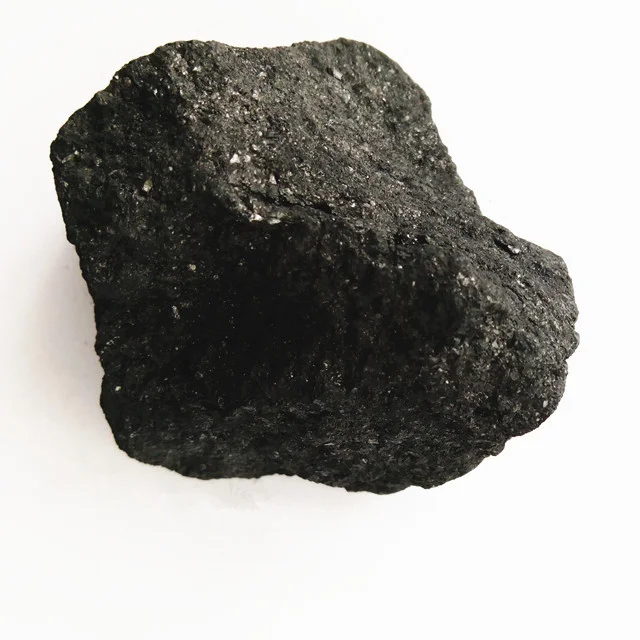
| Phosphorus content | Less than 0.05% |
| Silicon content | Around 1.5% to 3.5% |
| Carbon content | 3% to 4.5% |
| Sulfur content | Typically less than 0.02% |
| Production method | Blast furnace |
When selecting low phosphorus pig iron, buyers should consider the specific phosphorus, carbon, and silicon content required for their applications. It is also important to specify the desired quantities and any relevant certifications or standards that the material must meet. Additionally, understanding the production process and the source of the pig iron can help ensure quality and consistency.
Get quotes for Low Phosphorus Pig Iron
Tell us your requirement — quantity, specs and timeline — and our team sources verified manufacturers and brings you the best quote.
It is primarily used in steelmaking and foundry applications.
Lower phosphorus content improves the ductility and toughness of steel.
Typical specifications include low phosphorus, controlled carbon, and silicon levels.
It is particularly suited for high-quality steel grades where low phosphorus is critical.
The carbon content usually ranges from 3% to 4.5%.
It is produced in a blast furnace using high-quality raw materials.