Loading…

Product type
Diethylene glycol (DEG) is a colorless, odorless, and hygroscopic organic compound that belongs to the glycol family. It is produced through the hydration of ethylene oxide and is known for its ability to absorb moisture. DEG is commonly used as a solvent, plasticizer, and as an intermediate in the production of various chemicals. Its properties make it suitable for applications in antifreeze formulations, hydraulic fluids, and in the production of resins and adhesives.
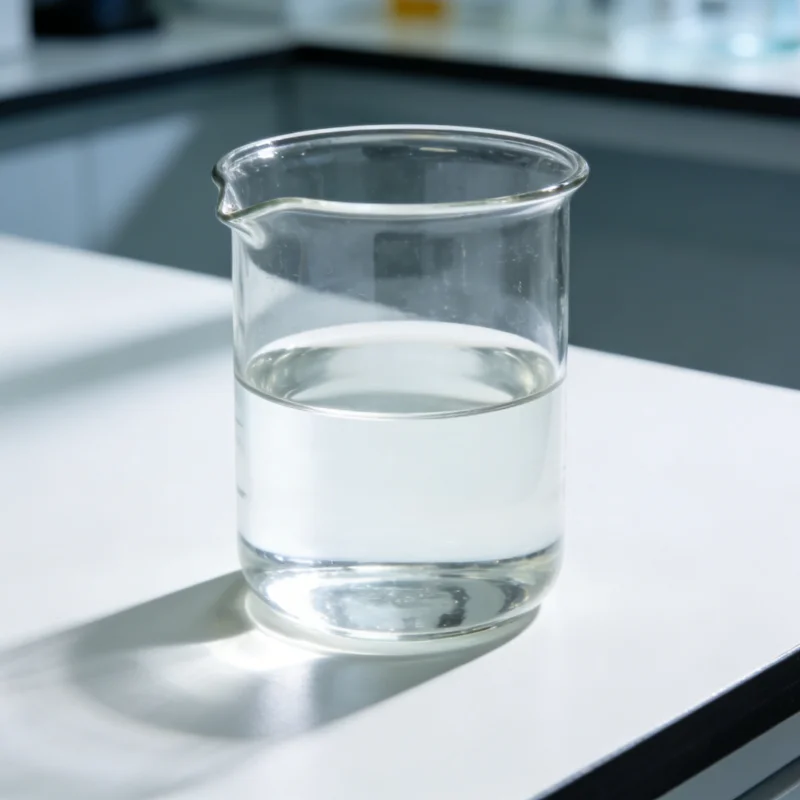
| Chemical formula | C4H10O3 |
| Molecular weight | 106.12 g/mol |
| Boiling point | 245 °C |
| Density | 1.118 g/cm³ |
| Flash point | 132 °C |
When selecting diethylene glycol, consider the intended application and required purity levels. Buyers should specify the desired grade, as DEG can vary in purity and may have different specifications based on its use in industrial applications. Additionally, inquire about the availability of safety data sheets and any relevant certifications that may be necessary for compliance with industry standards.
Get quotes for Diethylene glycol (DEG)
Tell us your requirement — quantity, specs and timeline — and our team sources verified manufacturers and brings you the best quote.
DEG is used in antifreeze, hydraulic fluids, and as a solvent in various industrial applications.
While DEG has many industrial applications, it is toxic and should be handled with care, following safety guidelines.
DEG should be stored in a cool, dry place away from heat sources and incompatible materials.
No, DEG is not approved for use in food applications due to its toxicity.
Diethylene glycol has two ethylene glycol units, while ethylene glycol is a simpler molecule with one unit.
DEG is produced through the hydration of ethylene oxide.