Loading…

Product type
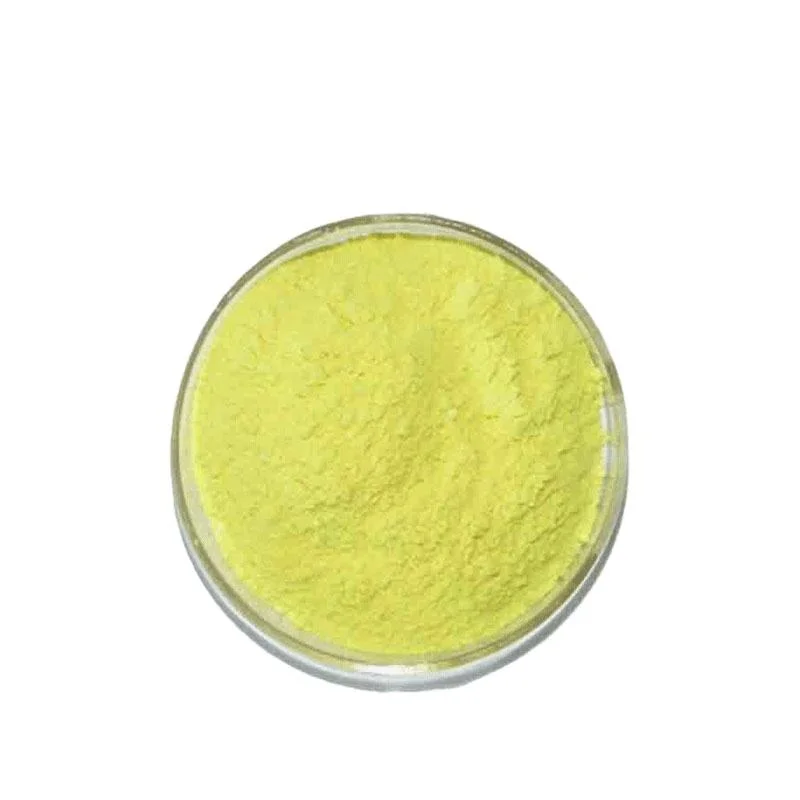
Quinoline is a heterocyclic aromatic organic compound primarily composed of a fused benzene and pyridine ring. It is typically a colorless to yellow liquid with a characteristic odor. Quinoline is known for its use in various chemical syntheses and as a building block for pharmaceuticals and agrochemicals due to its unique chemical properties and ability to undergo diverse chemical reactions.
| Chemical formula | C9H7N |
| Molecular weight | 129.16 g/mol |
| Purity | Typically 95% and above |
| Boiling point | 237 °C |
| Melting point | -15.5 °C |
| Appearance | Colorless to yellow liquid |
When selecting quinoline, buyers should consider the required purity levels and any specific regulatory or safety certifications needed for their applications. It's also important to specify the desired quantities and any particular grades that may be necessary for specific uses. For pharmaceutical applications, compliance with standards such as GMP may be required.
Get quotes for Quinoline
Tell us your requirement — quantity, specs and timeline — and our team sources verified manufacturers and brings you the best quote.
Quinoline is used in pharmaceuticals, agrochemicals, and as a chemical intermediate.
Typical purity levels are 95% and above.
Yes, quinoline is considered hazardous and should be handled with care.
Store in a cool, dry place away from light and incompatible materials.
Quinoline is not generally approved for food applications due to safety concerns.
Common industries include pharmaceuticals, agrochemicals, and dye manufacturing.