Loading…

Product type
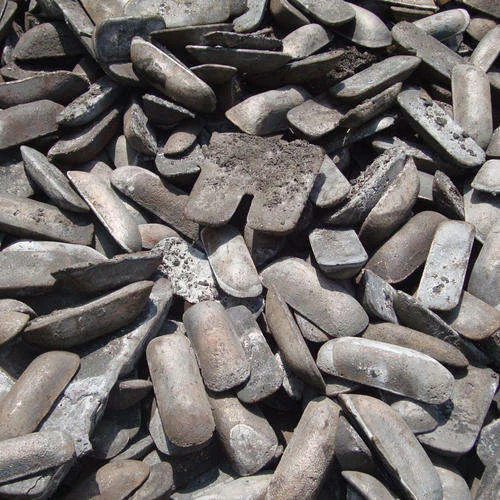
Basic pig iron is a type of crude iron that is produced from iron ore in a blast furnace. It typically contains a high carbon content, along with varying amounts of silicon, manganese, phosphorus, and sulfur. This material serves as a primary input for the production of steel and other iron-based alloys. Due to its composition, pig iron is not suitable for direct use in most applications but is essential in the metallurgical industry for further processing.
| Carbon content | 3.0% to 4.5% |
| Silicon content | 1.0% to 3.0% |
| Manganese content | 0.5% to 1.5% |
| Phosphorus content | 0.1% to 1.0% |
| Sulfur content | 0.02% to 0.2% |
| Form | Lumps or granules |
| Production process | Blast furnace |
When selecting basic pig iron, buyers should consider the carbon and silicon content based on the intended application. It is important to specify any necessary tolerances and the desired form, whether in lumps or granules. Additionally, buyers may want to inquire about the material's compliance with industry standards and certifications, as well as the quantities required for their specific projects.
Get quotes for Basic Pig Iron
Tell us your requirement — quantity, specs and timeline — and our team sources verified manufacturers and brings you the best quote.
It is primarily used as a raw material for steel production and metal casting.
Pig iron is produced in a blast furnace from iron ore, coke, and limestone.
It mainly consists of iron, carbon, silicon, manganese, phosphorus, and sulfur.
No, pig iron is typically processed further to create steel or other alloys.
It is usually available in lumps or granules.
Industries such as steel manufacturing, foundries, and automotive rely on pig iron.