Loading…

Subcategory
The Alloys category encompasses a diverse range of metal mixtures designed to enhance specific properties such as strength, corrosion resistance, and ductility. This category includes various types of alloys, such as ferrous and non-ferrous alloys, as well as specialized alloys used in high-performance applications. Industries that commonly source alloys include aerospace, automotive, construction, and manufacturing, where material performance is critical.
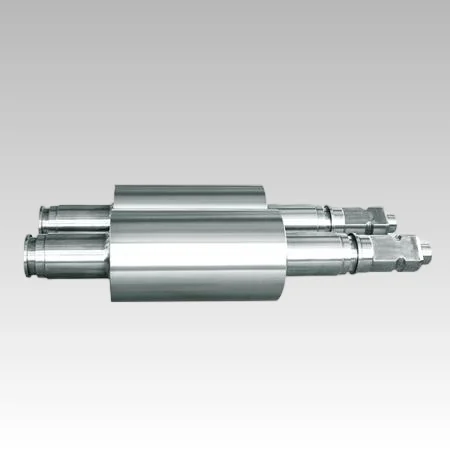
When sourcing alloys, buyers should compare the composition, mechanical properties, and intended applications of different alloy types. It is important to specify requirements such as tensile strength, corrosion resistance, and any relevant industry standards in your inquiries. Additionally, consider quality certifications and compliance with regulations to ensure the alloys meet necessary performance and safety criteria.
The main types of alloys include ferrous alloys (like steel) and non-ferrous alloys (such as aluminum, copper, and titanium).
Consider factors such as mechanical properties, corrosion resistance, and the specific demands of your application when selecting an alloy.
Alloys should comply with relevant industry standards such as ASTM, ISO, or specific aerospace or automotive standards, depending on the application.
Yes, many suppliers offer custom alloy formulations to meet specific performance requirements.
The composition of an alloy directly affects its mechanical properties, corrosion resistance, and overall performance in applications.
Request quality certifications, conduct material testing, and ensure compliance with industry standards to verify alloy quality.
Alloys are commonly used in construction, automotive parts, aerospace components, and machinery due to their enhanced properties.
The price of alloys can be influenced by raw material costs, processing methods, and market demand.
Sourcing something in Ferro Alloys?
Tell us your requirement and our team brings you quotes from verified manufacturers.