Loading…

Subcategory
The Coolants category encompasses a range of fluids designed to regulate engine temperature and prevent overheating in automotive applications. This category includes various types of coolants such as ethylene glycol-based, propylene glycol-based, and hybrid formulations, catering to different vehicle requirements. Industries that commonly source coolants include automotive manufacturing, repair shops, and fleet maintenance services.
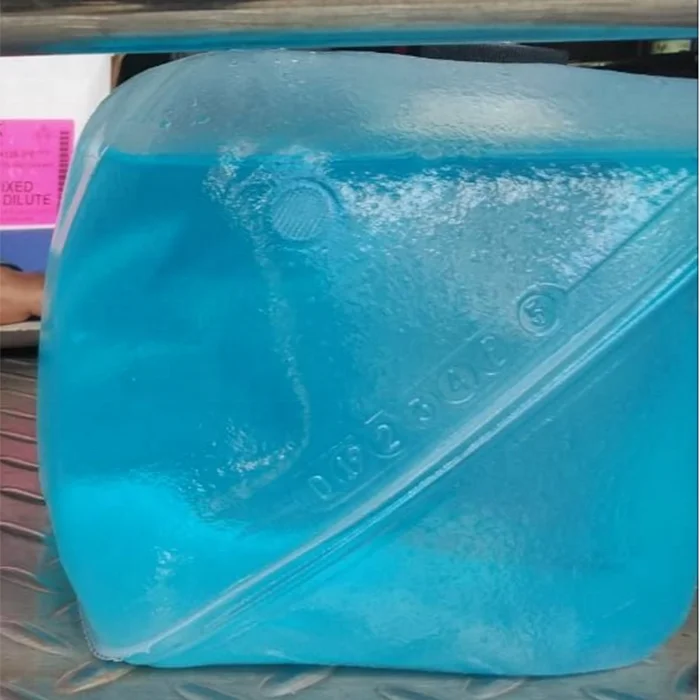
When sourcing coolants, buyers should compare formulations based on their vehicle specifications, including the type of engine and the manufacturer's recommendations. It is important to specify the required freeze and boil-over protection levels in inquiries. Additionally, buyers should consider compliance with industry standards and certifications, as well as the coolant's compatibility with other fluids and materials used in the vehicle.
Coolants are typically available in ethylene glycol-based, propylene glycol-based, and hybrid formulations.
Refer to your vehicle's owner's manual for the recommended coolant type and specifications.
Common standards include ASTM D3306 and ASTM D4985, which outline performance and quality requirements.
Mixing different types of coolants is generally not recommended, as it can lead to reduced effectiveness and potential damage.
Specify the type of coolant, required freeze protection level, and any compatibility concerns with existing fluids.
Coolant should typically be changed every 2 to 5 years, depending on the manufacturer's recommendations and usage conditions.
Yes, propylene glycol-based coolants are often considered more environmentally friendly than traditional ethylene glycol options.
Signs include overheating, coolant leaks, and a discolored or contaminated coolant appearance.
Sourcing something in Coolants?
Tell us your requirement and our team brings you quotes from verified manufacturers.