Loading…

Product type
Atrazine is a widely used herbicide primarily employed in the agricultural sector for controlling broadleaf and grassy weeds in crops such as corn and sugarcane. It works by inhibiting photosynthesis in plants, leading to their eventual death. Atrazine is typically applied pre-emergence or post-emergence, depending on the specific weed management strategy and crop type.
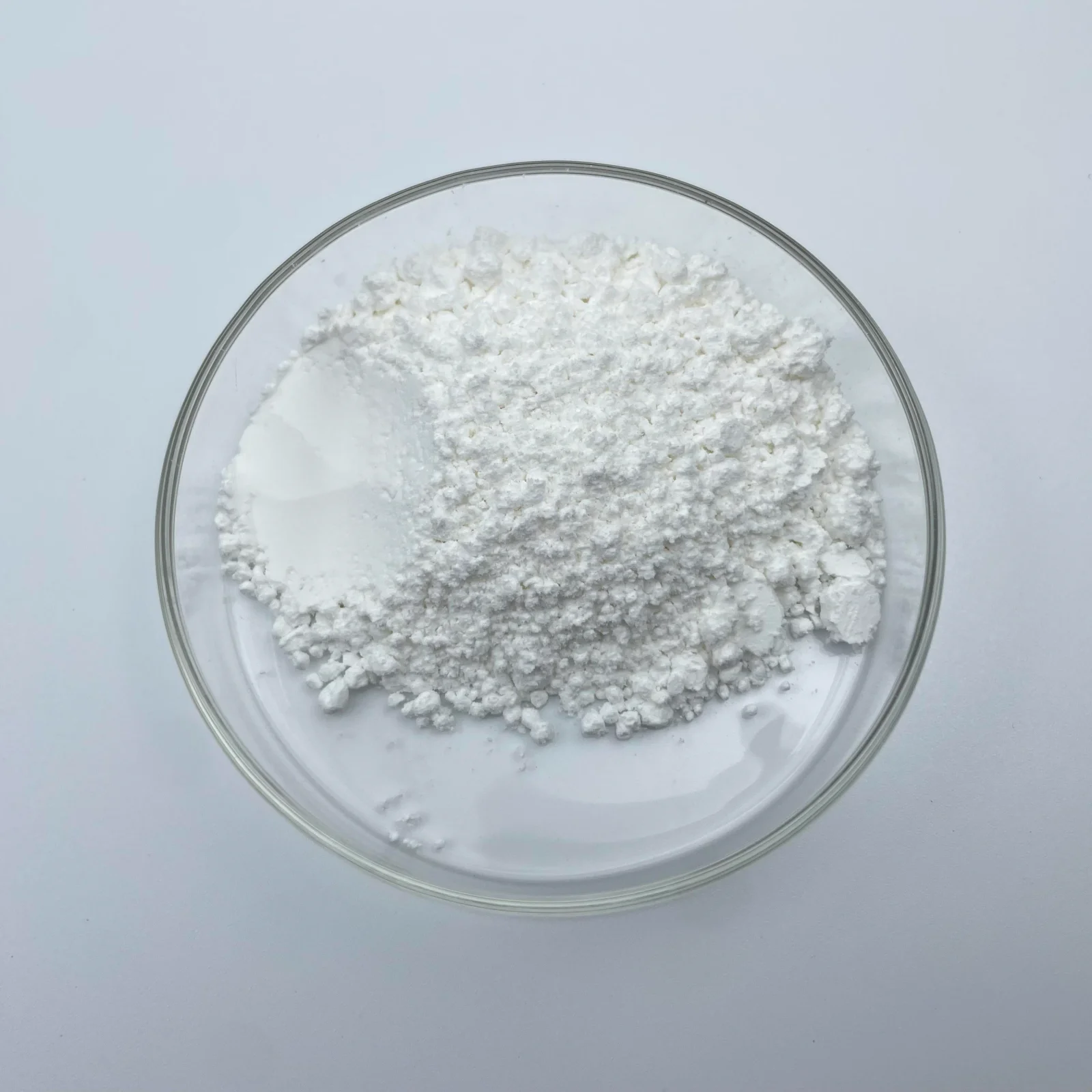
| Chemical formula | C8H14ClN5 |
| Formulation types | Granules, liquid concentrates |
| Application methods | Spraying, soil incorporation |
| Active ingredient concentration | Typically 25% to 50% |
| Environmental persistence | Can persist in soil for several months |
When selecting Atrazine, buyers should consider the specific crop type and the weed species they are targeting. It's important to specify the desired formulation type, such as granules or liquid, and the active ingredient concentration. Additionally, buyers should inquire about the product's environmental impact and any applicable regulations in their region, including any necessary certifications for safe use.
Get quotes for Atrazine Herbicide
Tell us your requirement — quantity, specs and timeline — and our team sources verified manufacturers and brings you the best quote.
Atrazine is commonly used on corn, sorghum, and sugarcane.
Atrazine can have environmental impacts; users should follow local regulations and guidelines.
Atrazine can be applied pre-emergence or post-emergence, depending on the crop and weed.
Atrazine typically contains 25% to 50% active ingredient.
Atrazine is primarily for agricultural use; check local regulations for residential applications.
Atrazine effectively controls broadleaf and grassy weeds.