Loading…

Product type
Thiamethoxam is a systemic insecticide belonging to the neonicotinoid class, primarily used to control a variety of pests in agricultural settings. It works by interfering with the transmission of nerve impulses in insects, leading to paralysis and death. Thiamethoxam is typically applied to crops through soil treatment, seed coating, or foliar spraying, making it effective against pests such as aphids, whiteflies, and beetles.
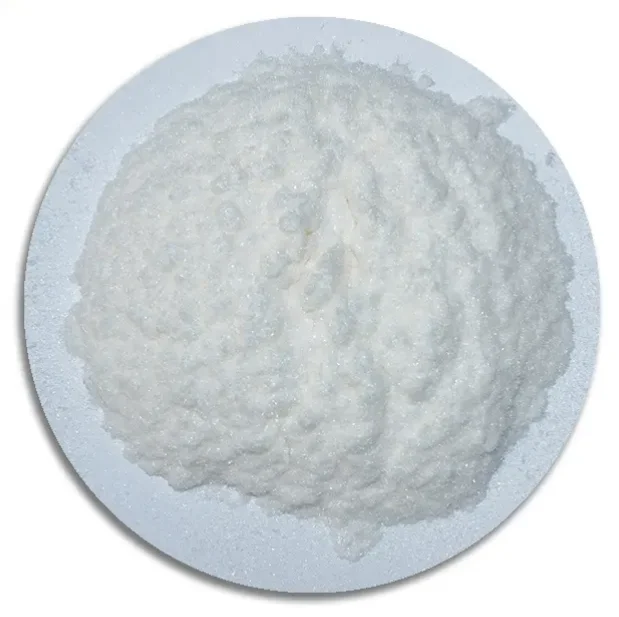
| Chemical formula | C7H10ClN5O3S |
| Mode of action | Systemic insecticide targeting the nervous system |
| Application methods | Foliar spray, soil drench, seed treatment |
| Formulations available | Granules, liquid concentrates, and emulsifiable concentrates |
| Typical dosage | 0.1 to 0.5 kg/ha depending on pest and crop |
When selecting Thiamethoxam, buyers should consider the specific pests they need to control and the crops they are treating. It's important to specify the desired formulation and application method, as well as any necessary certifications for agricultural use. Buyers should also inquire about recommended dosage rates based on their particular use case and any local regulations regarding usage and safety.
Get quotes for Thiamethoxam Insecticide
Tell us your requirement — quantity, specs and timeline — and our team sources verified manufacturers and brings you the best quote.
Thiamethoxam is effective against aphids, whiteflies, thrips, and various beetles.
Thiamethoxam can be harmful to beneficial insects, so application timing and methods should be carefully considered.
It can be applied as a foliar spray, soil drench, or seed treatment depending on the crop and pest.
The typical application rate ranges from 0.1 to 0.5 kg/ha, depending on the pest and crop.
Yes, some pests may develop resistance, so it's advisable to rotate with other insecticides.
Users should follow safety guidelines, including wearing protective gear and avoiding application during windy conditions.