Loading…

Subcategory
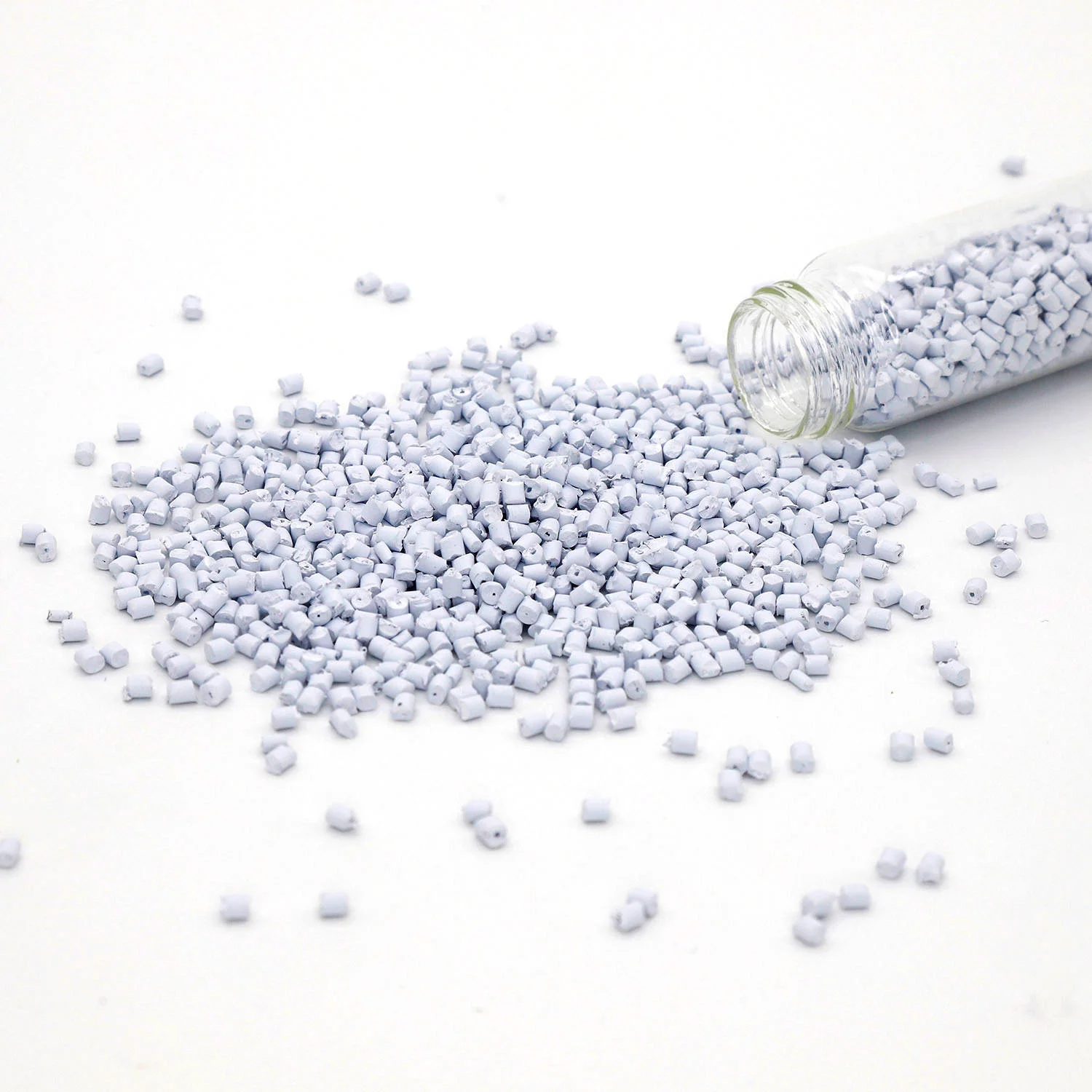
Engineering plastics are high-performance materials designed to withstand extreme conditions, making them suitable for a wide range of applications. This category includes product groups such as polycarbonate, nylon, acetal, and polyphenylene sulfide, among others. Industries that commonly source engineering plastics include automotive, aerospace, electronics, and medical sectors, where durability and reliability are critical.

When sourcing engineering plastics, buyers should compare material properties such as tensile strength, thermal resistance, and chemical compatibility. It is important to specify the intended application and any regulatory compliance requirements in inquiries. Common considerations include certifications for food safety, flame resistance, and environmental impact, ensuring the selected materials meet industry standards.
The main types include polycarbonate, nylon, acetal, and polyphenylene sulfide.
Industries such as automotive, aerospace, electronics, and medical commonly use engineering plastics.
Consider factors like mechanical properties, chemical resistance, and temperature tolerance specific to your application.
Yes, common compliance standards include FDA regulations for food contact, UL listings for flame resistance, and RoHS for hazardous substances.
Engineering plastics offer superior mechanical and thermal properties compared to commodity plastics, making them suitable for more demanding applications.
Many engineering plastics can be recycled, but the process may vary based on the specific type and local recycling capabilities.
Cost can be influenced by material type, processing methods, and market demand.
Store in a cool, dry place away from direct sunlight and extreme temperatures to maintain their properties.
Sourcing something in Engineering Plastics?
Tell us your requirement and our team brings you quotes from verified manufacturers.