Loading…

Product type
Cationic polyacrylamide is a synthetic polymer widely used as a flocculant in water treatment processes. It is composed of acrylamide monomers that are positively charged, allowing them to effectively bind with negatively charged particles in water. This property makes cationic polyacrylamide particularly useful for clarifying water, removing suspended solids, and enhancing sedimentation in various applications.
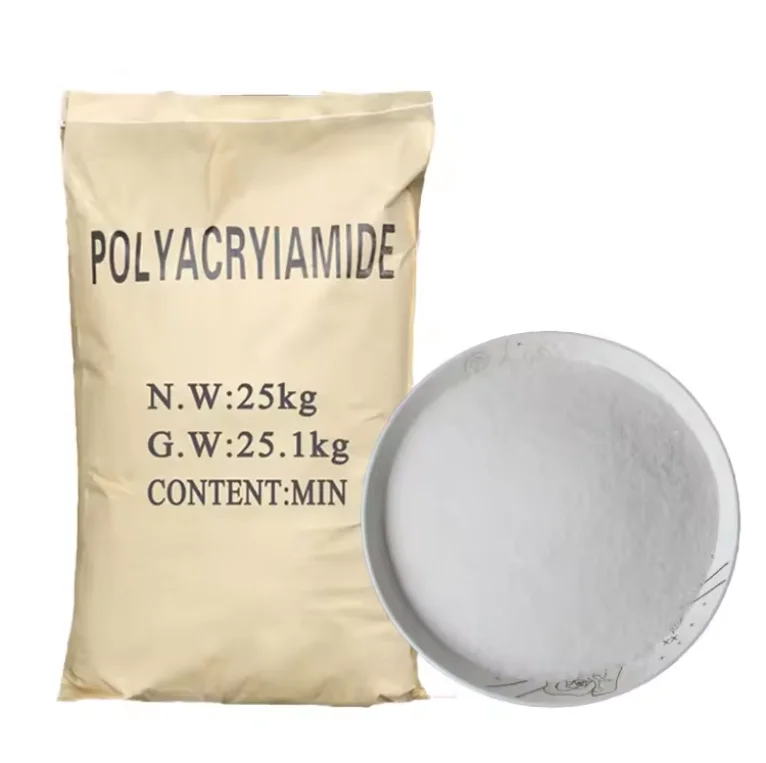
| Chemical structure | Polyacrylamide with cationic functional groups |
| Molecular weight | Typically ranges from 5 to 20 million Daltons |
| Appearance | White to off-white powder or granules |
| Solubility | Soluble in water |
| pH range for use | 5 to 9 |
| Dosage | Typically between 1 to 10 mg/L depending on application |
When selecting cationic polyacrylamide, buyers should consider the specific application and the required molecular weight, as this can affect flocculation efficiency. It's also important to specify the desired charge density and purity levels. Certifications, such as compliance with environmental regulations, may be relevant depending on the intended use. Buyers should request quotes based on estimated quantities needed for their processes.
Get quotes for Cationic Polyacrylamide
Tell us your requirement — quantity, specs and timeline — and our team sources verified manufacturers and brings you the best quote.
It is primarily used as a flocculant in water treatment to remove suspended solids.
When used according to regulations, it can be safe for drinking water applications.
Dosage depends on the specific application and water quality; typical ranges are between 1 to 10 mg/L.
Yes, it is commonly used in various industrial processes, including wastewater treatment.
It is typically available as a white powder or granules.
The shelf life is generally around 1 to 2 years when stored properly.