Loading…

Subcategory
Softeners are specialty chemicals used primarily in the textile industry to enhance the feel and performance of fabrics. This category includes various types of softeners such as cationic, non-ionic, and silicone-based softeners, each serving different applications and fabric types. Industries that commonly source softeners include apparel manufacturing, home textiles, and technical textiles, where fabric quality and feel are critical to product performance.
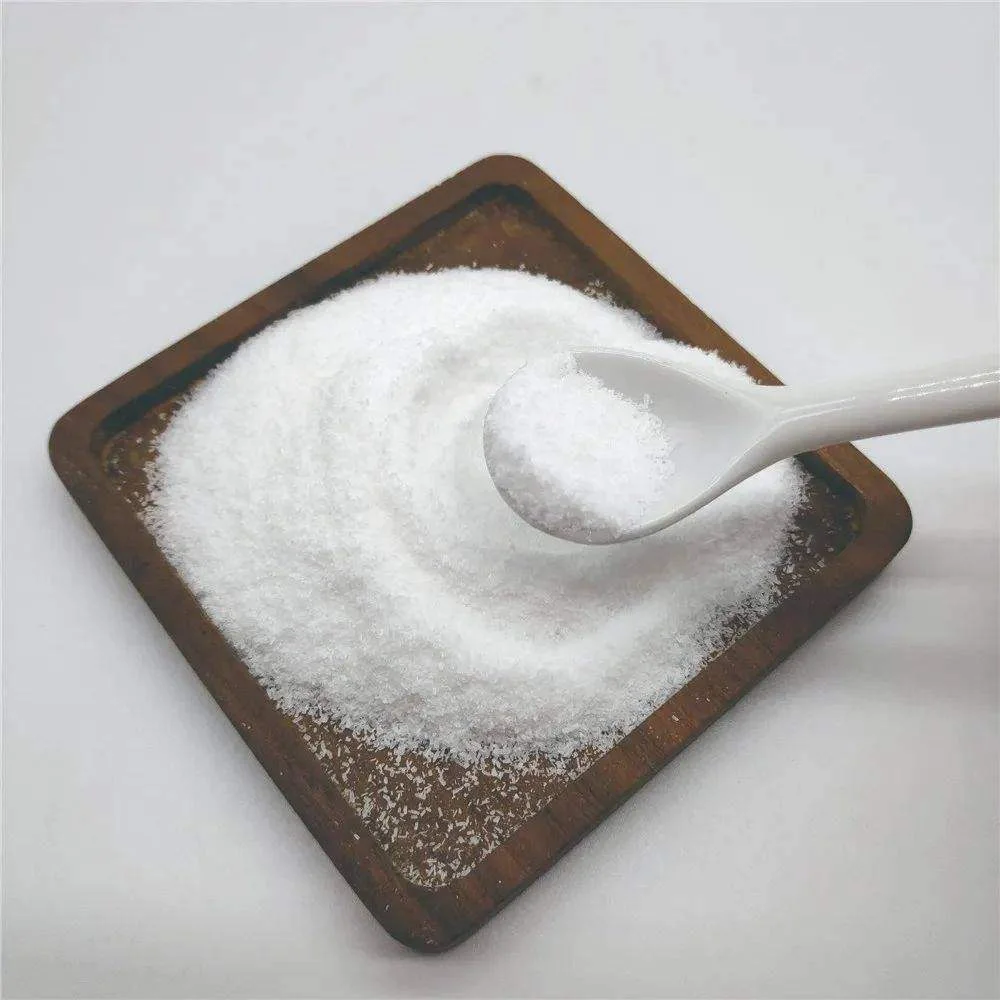
When sourcing softeners, buyers should compare the chemical composition, application methods, and compatibility with other textile treatments. It is essential to specify the intended use, fabric types, and desired properties such as softness level and durability in inquiries. Additionally, consider common quality and compliance standards, including environmental regulations and safety data, to ensure the chosen products meet industry requirements.
There are cationic, non-ionic, and silicone-based softeners, each suited for different textile applications.
Consider the fabric type, desired softness, and compatibility with other treatments when selecting a softener.
Yes, many regions have regulations regarding the use of certain chemicals in textile processing, including softeners.
Softeners can be applied during various stages of textile processing, including padding, spraying, or as part of the finishing process.
Request product data sheets, safety data sheets, and certifications from suppliers to verify quality and compliance.
Softeners can improve the hand feel, drape, and overall performance of fabrics, making them more appealing to consumers.
Yes, some softeners may impact dye uptake and colorfastness, so it's important to test compatibility.
Always refer to safety data sheets for handling instructions and ensure proper personal protective equipment is used.
Sourcing something in softeners?
Tell us your requirement and our team brings you quotes from verified manufacturers.
Nothing here yet. Try .