Loading…

Product type
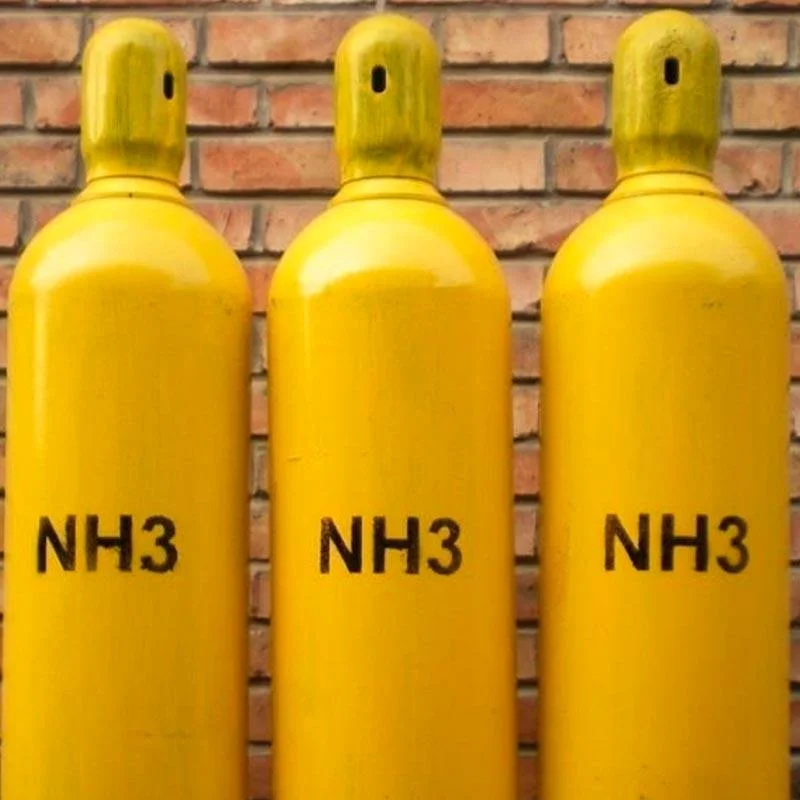
Ammonia gas is a colorless gas with a distinct pungent odor, composed of nitrogen and hydrogen (NH3). It is produced through the Haber process, where nitrogen from the air is combined with hydrogen derived from natural gas or other sources. Ammonia is highly soluble in water and is primarily used as a fertilizer in agriculture, as well as in various industrial applications.
| Chemical formula | NH3 |
| Molecular weight | 17.03 g/mol |
| Boiling point | -33.34 °C |
| Density | 0.73 kg/m³ (gas at 0 °C and 1 atm) |
| Solubility in water | Highly soluble |
When purchasing ammonia gas, buyers should consider the purity level required for their specific application, as well as the method of delivery, whether in bulk or in cylinders. It is also important to specify the intended use to ensure compliance with safety and regulatory standards. Quantities needed can vary widely depending on the application, so providing an estimated usage rate can help suppliers offer the best options.
Get quotes for Ammonia gas
Tell us your requirement — quantity, specs and timeline — and our team sources verified manufacturers and brings you the best quote.
Ammonia gas is primarily used as a fertilizer, in refrigeration, and in various chemical processes.
Yes, ammonia gas can be hazardous; it is toxic and can cause respiratory issues if inhaled.
Ammonia gas is typically stored in pressurized cylinders or tanks.
Proper ventilation, personal protective equipment, and emergency procedures should be in place when handling ammonia.
Yes, ammonia is used in water treatment processes, particularly for disinfection.
Ammonia gas does not have a shelf life but should be stored properly to maintain its quality.