Loading…

Product type
Glyphosate herbicide is a broad-spectrum systemic herbicide used to kill weeds, especially annual broadleaf weeds and grasses that compete with crops. It works by inhibiting a specific enzyme pathway that is essential for plant growth. Glyphosate is typically formulated as a liquid concentrate or granule and is applied to crops, landscapes, and non-crop areas to control unwanted vegetation.
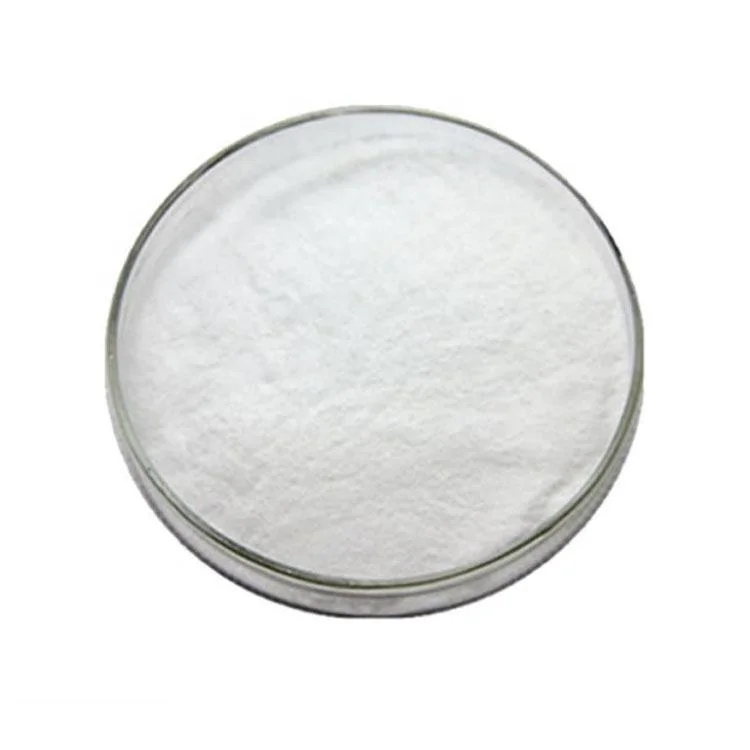
| Chemical formula | C3H8NO5P |
| Active ingredient concentration | 41% to 50% |
| Formulation types | Liquid, granule, and soluble concentrate |
| pH range | 6 to 7 |
| Application method | Foliar spray or soil application |
When choosing glyphosate herbicide, buyers should consider the concentration of the active ingredient, the formulation type that best suits their application method, and any specific regulations in their region regarding herbicide use. It is also important to specify the target weeds and the area of application when requesting a quote, as different formulations may be more effective for specific situations.
Get quotes for Glyphosate Herbicide
Tell us your requirement — quantity, specs and timeline — and our team sources verified manufacturers and brings you the best quote.
Glyphosate is primarily used to control a wide range of weeds in agricultural and non-agricultural settings.
When used according to label instructions, glyphosate is generally considered safe for most crops.
Yes, glyphosate can be used in residential areas, but users should follow local regulations and safety guidelines.
Application rates can vary, but they typically range from 1 to 2.5 liters per hectare.
Glyphosate typically degrades in the soil within a few days to weeks, depending on environmental conditions.
Yes, some genetically modified crops are designed to be resistant to glyphosate.