Loading…

Subcategory
Pulse oximeters are non-invasive medical devices used to measure the oxygen saturation level in a patient's blood. This category includes various types of pulse oximeters, such as fingertip models, handheld devices, and those designed for continuous monitoring in clinical settings. Industries that commonly source pulse oximeters include healthcare facilities, emergency medical services, and home healthcare providers.
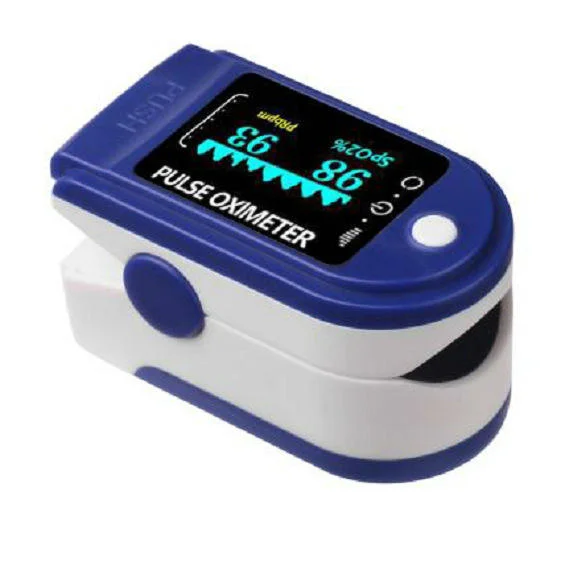
When sourcing pulse oximeters, buyers should compare features such as accuracy, display type, battery life, and connectivity options. It is important to specify the intended use, whether for clinical or home monitoring, as well as any necessary compliance with medical standards. Common quality considerations include device calibration, certification from regulatory bodies, and warranty terms.
Pulse oximeters are available in fingertip, handheld, and wearable models, each suited for different monitoring needs.
Consider factors such as accuracy, ease of use, display size, and whether you need features like Bluetooth connectivity.
Most pulse oximeters provide accuracy within 2% of actual oxygen saturation levels, but this can vary by model.
Yes, look for FDA clearance or CE marking, which indicate compliance with safety and performance standards.
Yes, many pulse oximeters are designed for home use, making them accessible for personal monitoring.
Battery life varies by model, but many pulse oximeters can operate for several hours to days on a single set of batteries.
Calibration frequency depends on the manufacturer's recommendations and usage conditions; regular checks are advisable.
For clinical use, prioritize features like continuous monitoring capability, alarm settings, and data storage.
Sourcing something in Pulse Oximeters?
Tell us your requirement and our team brings you quotes from verified manufacturers.